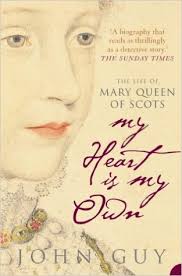
The third John Guy book in a short period, My Heart Is My Own, so he must be good. Actually I discovered I had this book in my library unread. Just as enjoyable as his others, equally well-researched, equally easy to read. There was just one section where I felt the going was a little tough and tedious where John made us party to all his detective work on the Casket Letters. Yes he does go back to the original sources unlike so many contemporary historians, but he makes rather a meal of it in this book whilst savaging the lax approach of others. Still, I now know all about Mary Queen of Scots. I have been fascinated ever since an early visit to Lochleven castle, where Mary was imprisoned, and a more recent visit to Fotheringay ruins where of course she was executed, both extremely evocative places.
 A re-read of one of Susan Hill’s detective series, The Pure in Heart, the second Simon Serrailler novel. Now Susan Hill is not quite so hot on procedure as say Peter James ( who spends all his spare time with the police!), however she can tell a good story. And the strength in the Serrailer books is the setting, a cathedral town, the empathy we have with the protagonist who has lots going on in his life revealed in back-plots, and the story itself which races along. I must read more Serrailler, and easy bed-time read…and who wants taxing at bed-time?!
Because I like to have something serious going on at the same  time as my ‘lighter’ reading, I also picked out Suetonius’s Twelve Caesars from my beautiful, beautiful Folio collection. Whilst the lives of the important Emperors – Caesar himself, Augustus, Nero and so on – are fascinating, not so with the minor characters. It’s a bit of a drag reading about them to be honest. If I were a historian of ancient Rome would I give much credence to what Suetonius tells us? A lot of it does seem gossip of the most credulous kind. Well, here is what the Faculty of History at Cambridge says..”Suetonius’ The Twelve Caesars followed an established convention of the short biographical essay, which lent itself to convivial sharing before an audience but could also be used to explore important themes. Suetonius, who lived through a period of stable but despotic imperial rule, wanted to explore the nature of imperial power and how a city with a strong republican tradition had ended up handing absolute power to individuals and dynasties, some of whom abused it flagrantly. His eye for salacious detail has led some to dismiss Suetonius as a sort of Roman gossip-columnist; more recently, however, historians have recognised the value of his work as a reflection of 1st and 2nd century attitudes towards power.” And, there are no good alternative sources for some of the Emperors, so…..It is a valuable chronology, and lets us into the society of the times and what people at the time regarded as important, but it leaves me with the feeling that the Romans weren’t half a gullible lot with their reliance on reading the omens and seeing natural occurrences as arbiter of human fate. Worth reading…especially in the luscious Folio format.
Another wonderful little Folio book, I have just completed is Crusader Castles by T E Lawrence. Little did I expect to be reading an undergraduate History thesis bound up 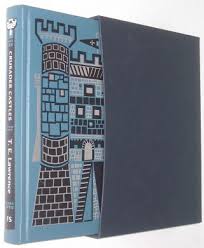 with letters to his Mum! It was really quite exceptional. Although it did indeed read like an undergraduate piece of work, nevertheless the work that went into this study was amazing, and from one so young. Basically, Lawrence of Arabia as we know him, crams what seems like a lifetime of research into disproving what was held ( and still is I think ) to be an accepted piece of historical understanding, that the sophisticated series of castles here and in France which replaced the Norman keeps were adopted from designs brought back from the Crusades. Lawrence shows with much detail that this could not be so and that in fact sophistication and development came from Western architects building on what they already knew. A most impressive shot against the Oxford establishment. All of this came from his extensive cycle rides around his own country and France from when he was just a child interested in History, and then from research trips to Syria and the wider Middle East. These indeed prepared him well for his later more well-known role as the saviour of Arabs and their culture. And no little interest is added by his letters home which not only go into great detail about what he was finding, but also about the vagaries of travelling alone in such country at such a time. What amazing people our ancestors were.
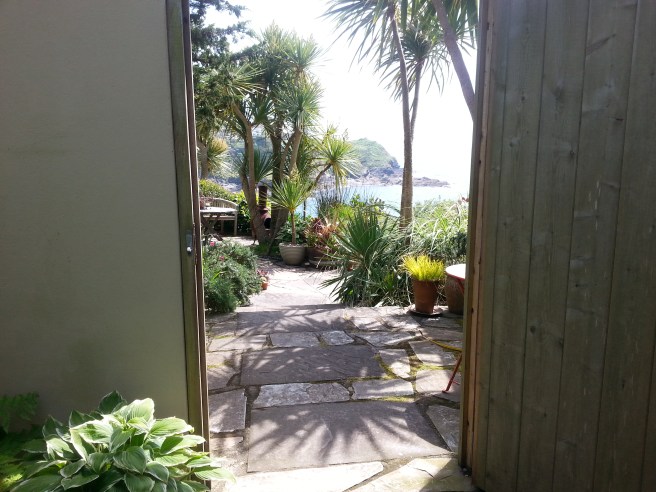
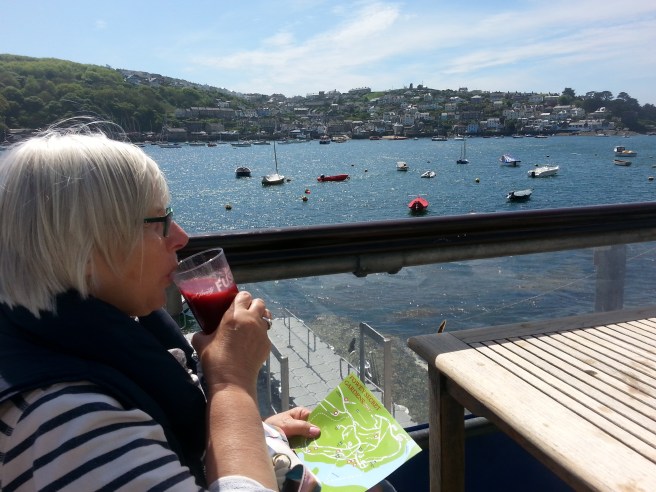

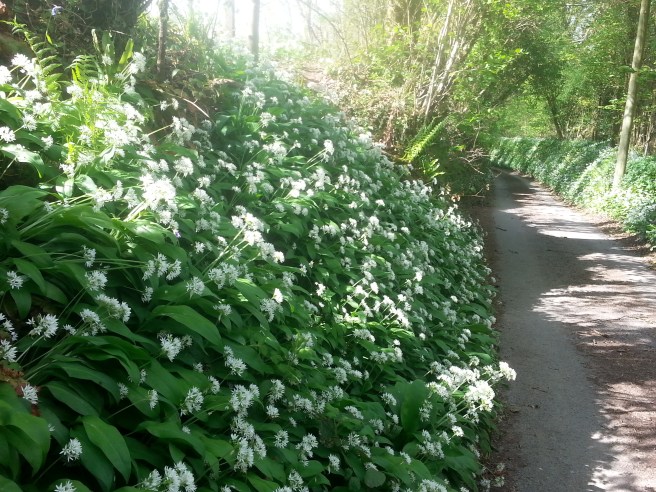
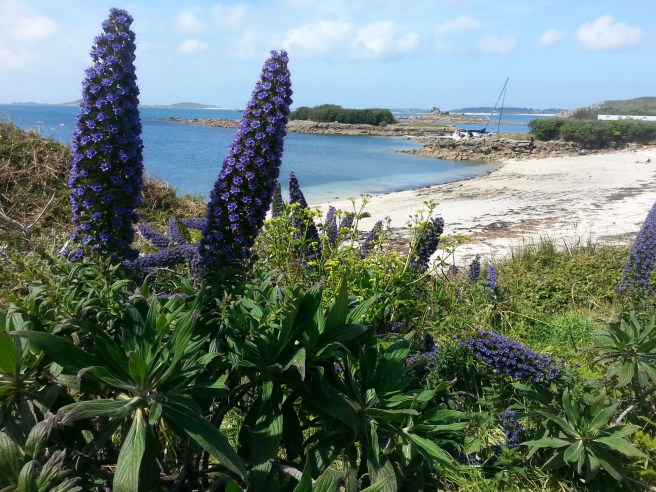
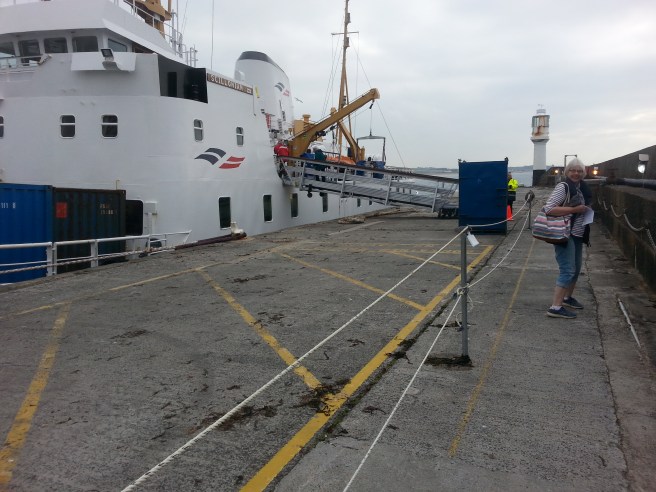
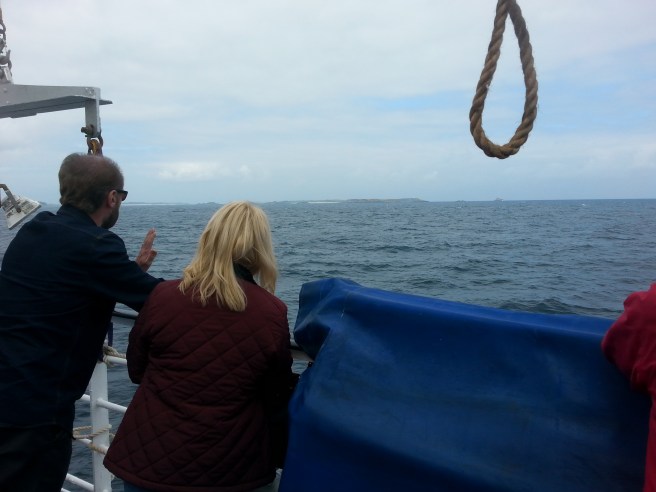

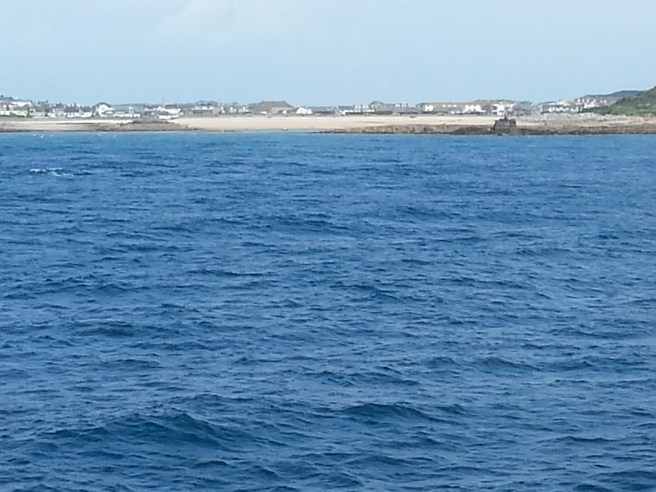

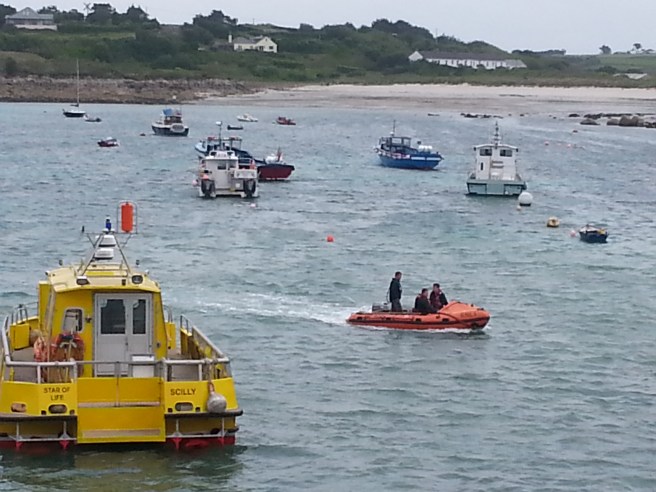
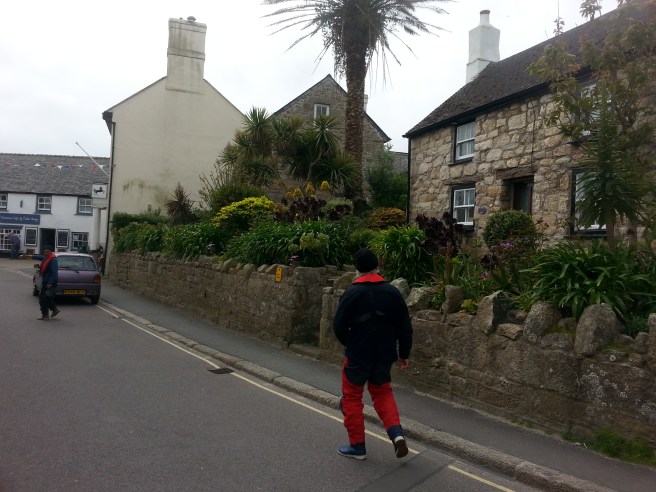

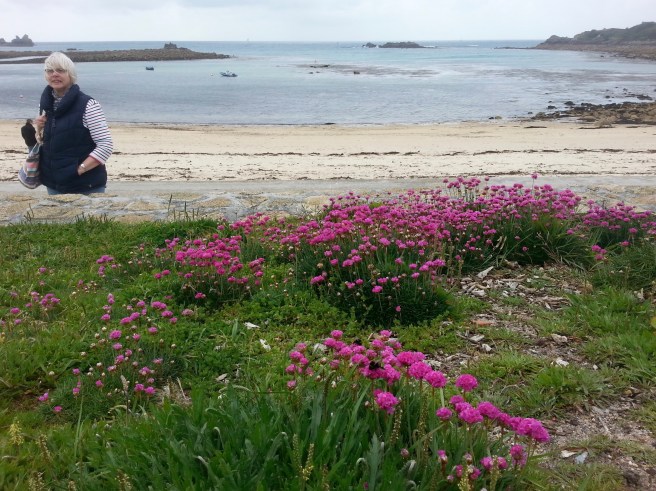
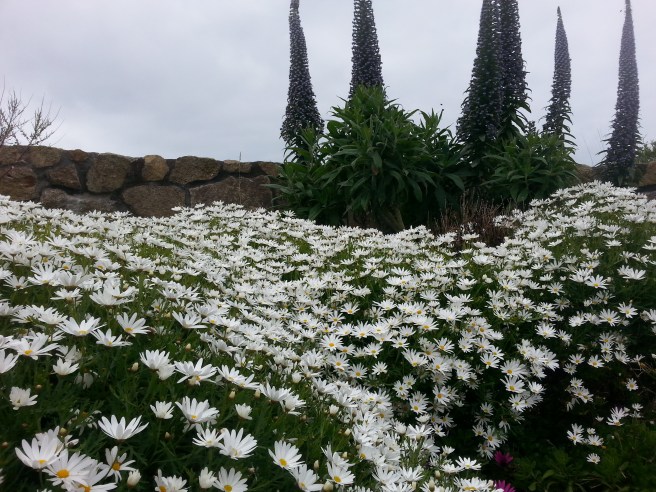
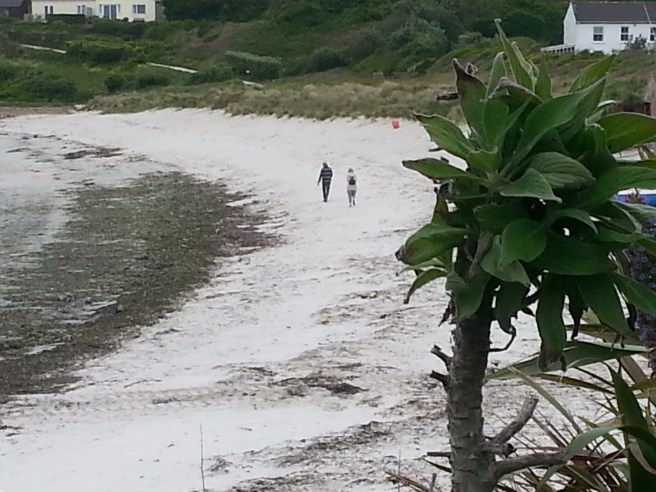

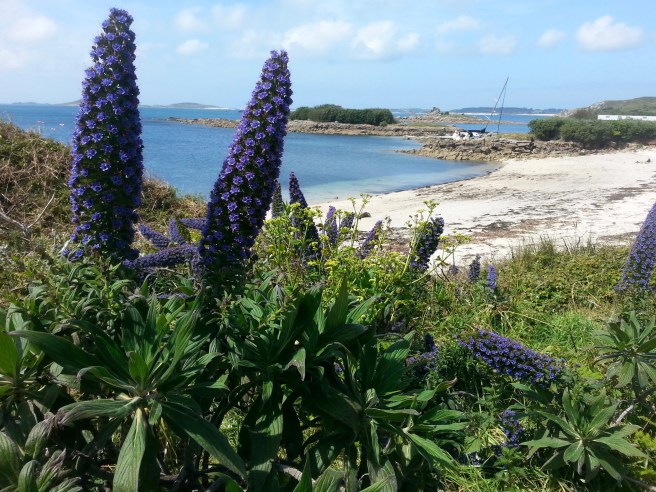

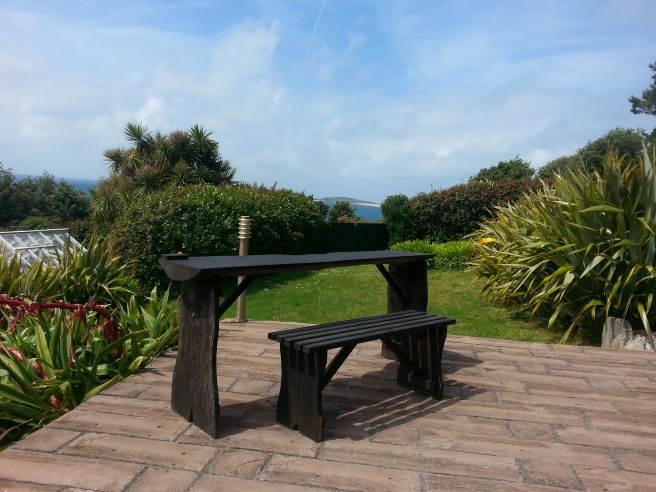
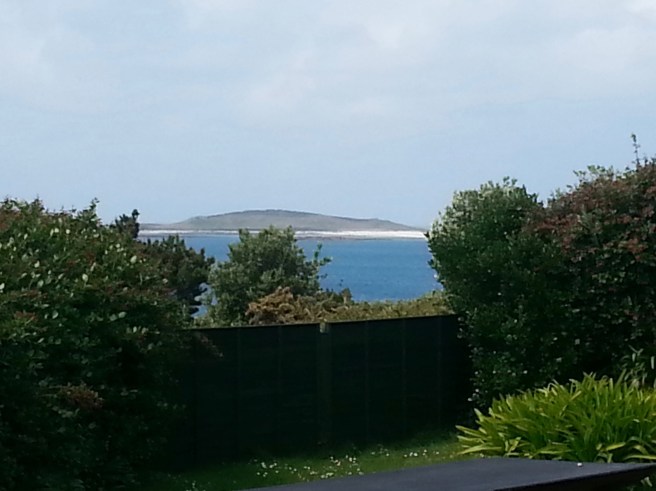
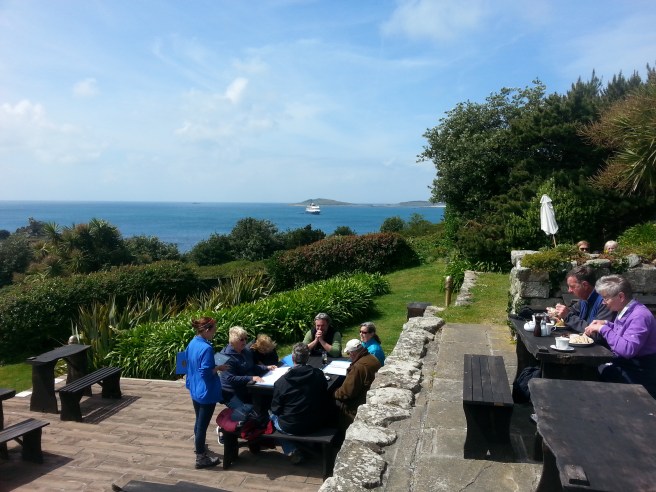
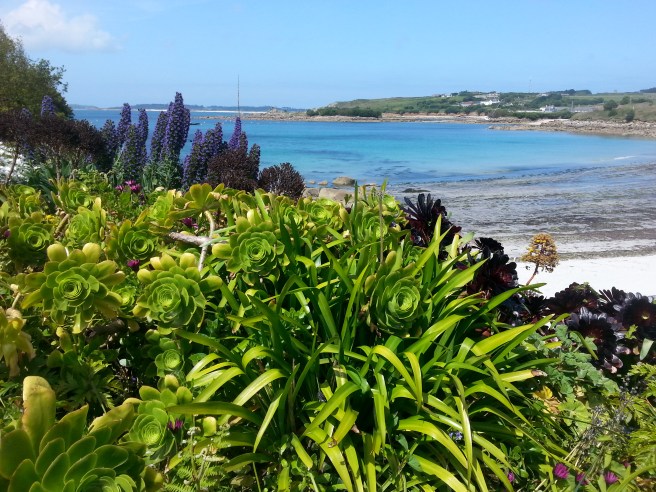
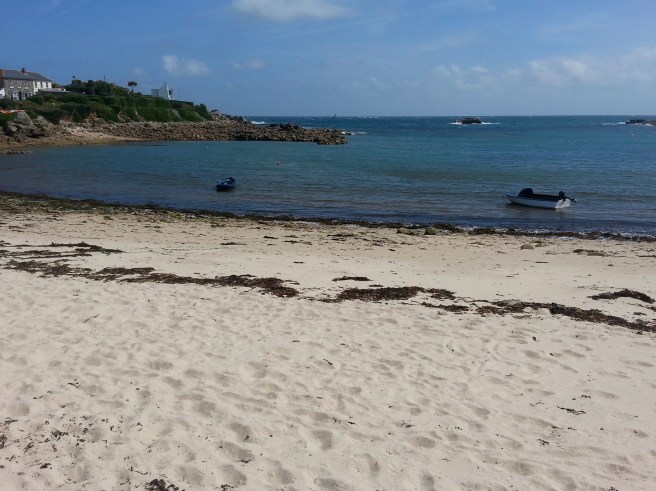
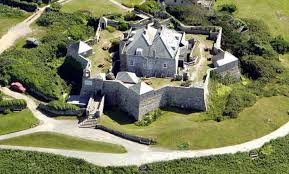 …the castle dates to Elizabethan times and was built by Francis Godolphin, who leased the islands from Queen Elizabeth I in 1571. The castle was constructed shortly after the Spanish Armada as a lookout post to protect south-west England. Built in the shape of an eight-pointed star, it has lots of nooks and
 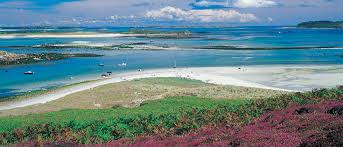 crannies, some of which we explored (and very interesting too), deep ramparts, and is surrounded by a dry moat…..a wonderful place to stay if one can afford it, the views immense, the location unsurpassed.
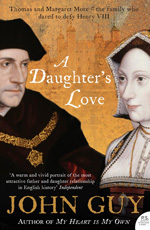 This was the book very kindly given to me by my daughter on the occasion of her wedding. She had ascertained that I liked John Guy, the author of a previous gift by her, and this was left wrapped at my place on the top table. Lovely, and touching (as she is)! The other book I had read was John’s biography of Elizabeth I which was absolutely terrific, amazingly well-researched by a historian who knows his stuff, but written with the style of a great novelist. The same exactly can be said for this dual biography of Thomas More and his daughter Margaret. I hadn’t wanted to start it – as my attitude to More was that whilst no doubt a brilliant mind he was, unlike say Erasmus, totally committed to the burning of heretics believing they deserved what they got. Not a very Humanist post-of-view. However, once I had started on the book I could not put it down. John Guy’s research was so deep and so widespread and all-encompassing, that we felt we were right in the heart of things and intimate with the Mores’ innermost thoughts. No-one before has really picked up on the relationship between father and favourite daughter, but what a relationship it was. From the very first pages when we walked with Margaret to London Bridge for her to recover and cherish her father’s skull from its public spike, to the last chapter or two when we learned in detail of Margaret’s trips to the Tower to be with him, and pray with him – the only one of his extended family to continue visiting him in his gaol at the Tower, the story is splendidly told. Two people of the utmost principle, who would not give an inch as far as their faith was concerned. Now at last we see the real More family, all flawed, but symptomatic of their dangerous times. What a pity I have no more John Guy to read, for the time being…..



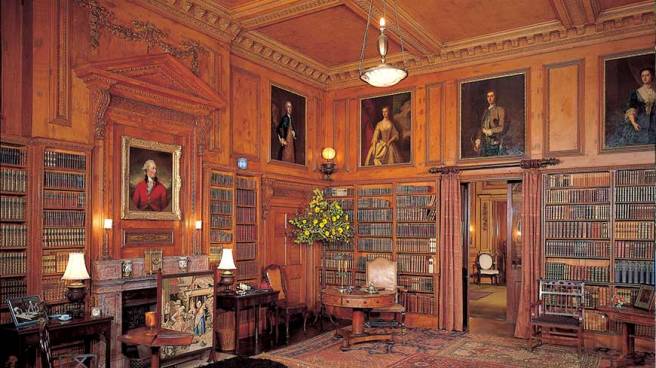
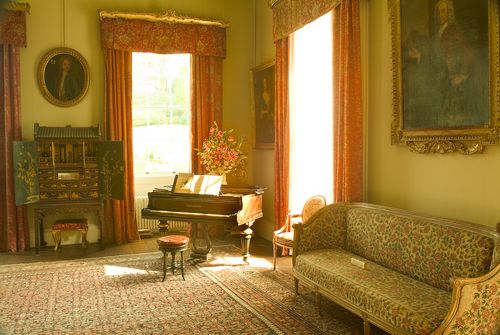 I was particularly fascinated by the piano a Collard and Collard grand piano used by Sir Arthur Sullivan in composing Gilbert and Sullivan’s Iolanthe in 1882 which stands in the Music Room, and some of the original G+S costumes are randomly scattered in various rooms. I was also glad to see one of the four known portraits of Charles I at his trial. At an hour I suppose the tour was just about right but I could have gone on for far longer.
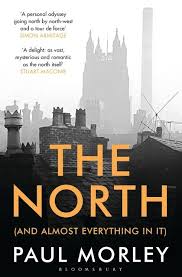 Are there any books called ‘The South’? Well even if there were, they wouldn’t be much cop, and I’m sure Paul Morley wouldn’t think so either. ‘The North’ is an amorphous concept in many ways, but people who live there definitely know they are Northerners and on the whole are proud of it. Paul Morley writes from the point of view of being an adopted and somehow self-selecting Northerner, and this does give him a rather idiosyncratic view. I must say that this was one of those rare books which I put on one side from time to time, not because I didn’t want to read it but because I did. I wanted to extend the reading period. Having now read a few reviews of the book, I’m absolutely amazed that a lot of them don’t ‘get it’. Yes sometimes the stream of consciousness stuff can be annoying, and it is rather weird to keep showing the history backwards, but for someone like me the book really is a mine of pleasure. Descriptions of The North, history, sharp commentary, and much else besides are mixed with personal reminiscence of being brought up in The North, and you do feel you are getting to know Paul Morley quite intimately whether you want to or not. I do. What he writes resonates. As well as the sheer lyricism and pleasure, I learned an awful lot about a North I thought I knew very well. A lot of the stuff he admits he drags up from the Internet, verbatim I should think, and I’m sure in places no rigorous research has taken place. Does that concern me? In a History book, of course. In a book about what The North is, and is like, No. More than 500 pages which I shall read again. If you’re from The North…highly recommended. If, as I suspect many of the reviewers, from ‘The South’, perhaps give it a miss.
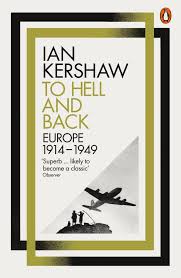 Magisterial, a triumph, a great achievement, chilling epic-size history…just some of the terms used by respected reviewers. From my point of view the best bit about this book was the fact that Ian Kershaw reviewed the drafts with a friend in a pub I used to use in Didsbury Manchester. Frankly I was rather disappointed. Yes it is deeply researched, yes Ian Kershaw has examined much archive material which has never been used before, yes it is a respectable History of Europe between 1914 ad 1949. But because of its scope, because of Ian’s depth of knowledge, it constantly takes the form of…..this was the situation in the UK, this in France, this in Bulgaria, this in Yugoslavia….you lose the over-arching critique in the detail. And it isn’t a good read. I did study History, still do, but I like an author to immerse me in the times, to make me want to find out more. Sorry, not for me. But the Royal Oak is a good pub.
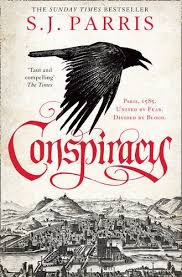 Paris 1585. The Tudor period we all love, but location for this book elsewhere, and therefore fresh as daisies. That’s what I wanted from this novel, an adventure giving me a different take on something all too familiar, and so well done in countless histories and novels ( I do like Wolf Hall…). But although the period is evoked (as it should be by someone who studied it for research purposes), the ‘adventure’ is dry as dust, not at all engrossing, and I felt most unusually that although I got half-way through I could read it no longer. I have therefore abandoned it. There is nothing wrong with ‘light’ history (one of my customers was one of the leading Tudor Historians, and he liked nothing better than a good novel set in Tudor times…), but it has to be good.
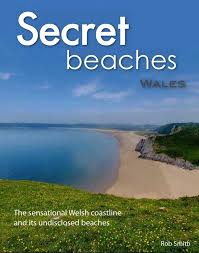 Secret Beaches South West…’explore the secluded shores of Southwest England’ Well, we are doing and I will report back. This book, and more like it, are designed to make our task easier, but in the meantime a joy to have and to dip into, and yes to imagine that the sun will shine tomorrow and we will take a picnic to that beach.
 Enjoying Cornwall...