Finished my latest major bit of reading ‘Citizen Clem’ by John Guy. Through my interest in Churchill I had often come across Attlee but purely as a background figure. I had wanted to 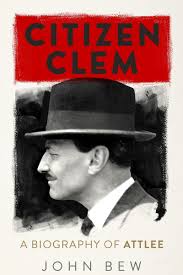 know more, just as I would like to know a lot more about the other great reformer of the twentieth century Loyd George. So, to the book. It was 550 odd pages of pure pleasure. A serious History by a serious historian, yes. But written in such a style as to always leave you wanting to pick up again and find out how things developed next. Attlee was in fact something of a hero, and a very unlikely one at that. And, although Churchill himself called him ‘a modest man with much to be modest about’ the truth is that he had every confidence in leaving Attlee in charge when on his many forays abroad. He was also glad to leave most of Home Affairs in Attlee’s capable hands. Now although one cannot get away from Attlee’s shyness, his reserve, and how this translated into his political life, the fact is that Attlee oversaw the greatest and most radical transformation of British society in this momentous century including the establishment of the NHS and social insurance. He was also very influential in giving India its independence and ensuring the smooth transition from Empire to Commonwealth….all this fro a man who was a great patriot but whose background and early feelings led him to be very pro-Empire. One of the reasons he was able to push through so much in such a short time was the fact that it was difficult to criticise him..he was the archetypal upright public servant. And this reminds one of another important aspect of what he argued for and achieved…his belief that new rights could only be bound up with new duties. Thus the title of the book….Citizen Clem. Citizenship was what he aspired to. He had lots of people who tried to do him down at times, Churchill foremost, but significantly most of these people were his own back benchers and Ministers. He handled them with aplomb. What I found fascinating was that very often his knight in shining armour was Ernie Bevin. Now there was a man – I would like to know more about him. Such a pity that John Guy hasn’t written his biography. Anyway a truly great history, much enjoyed.

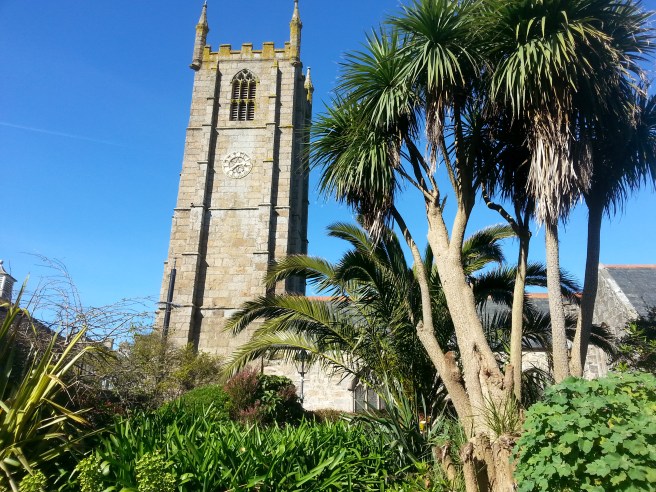
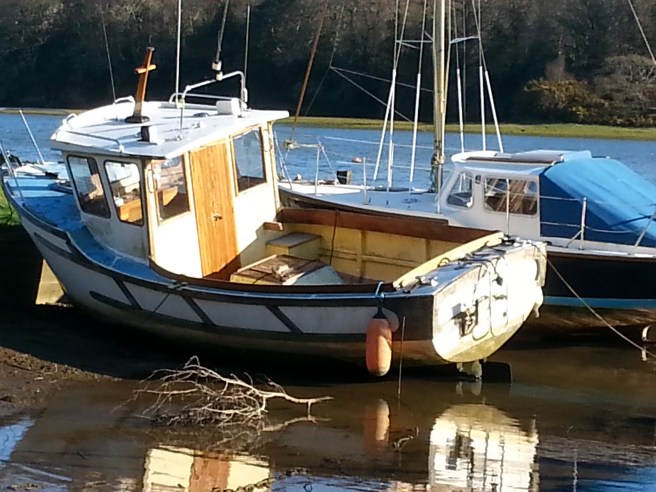

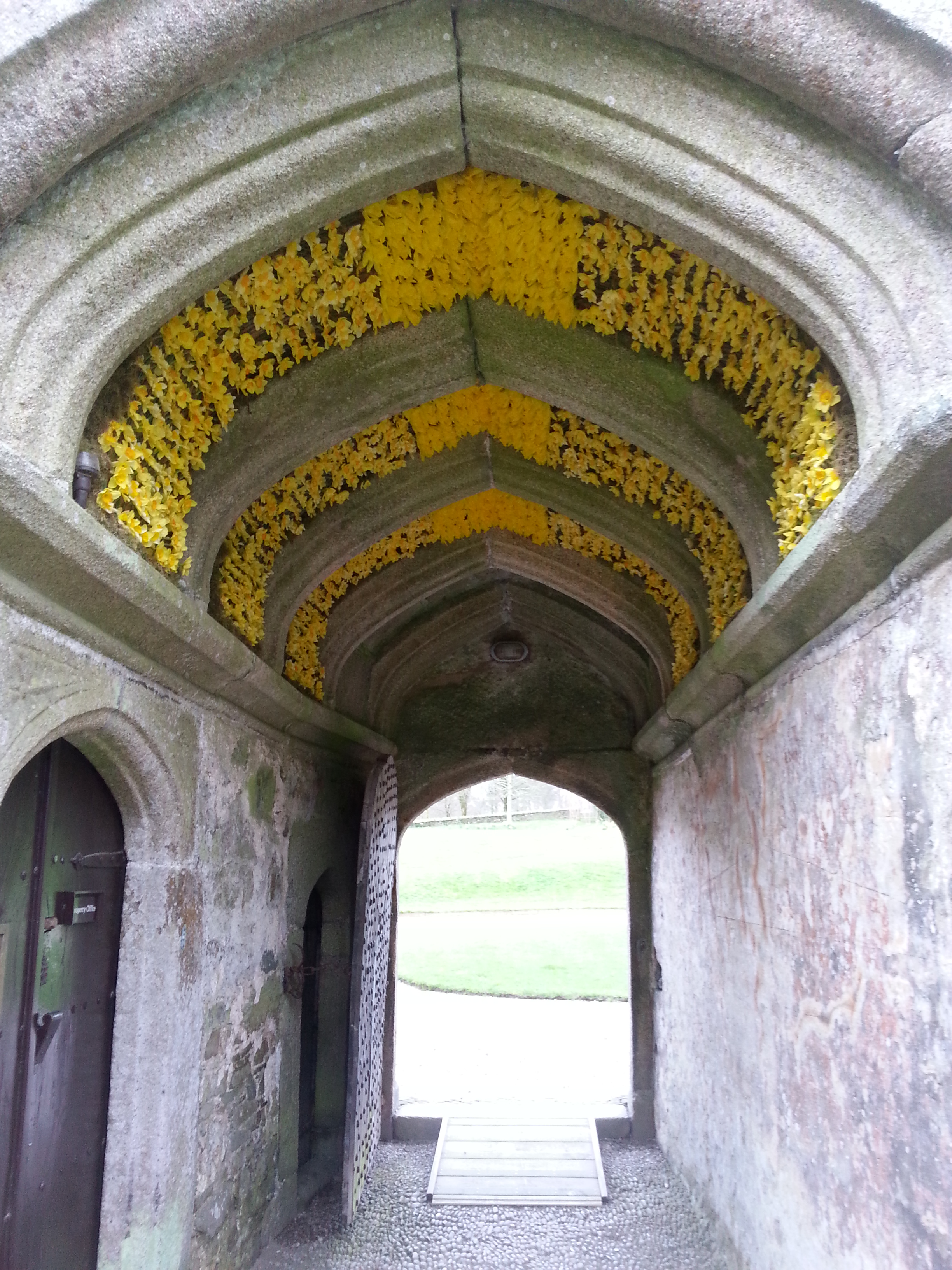
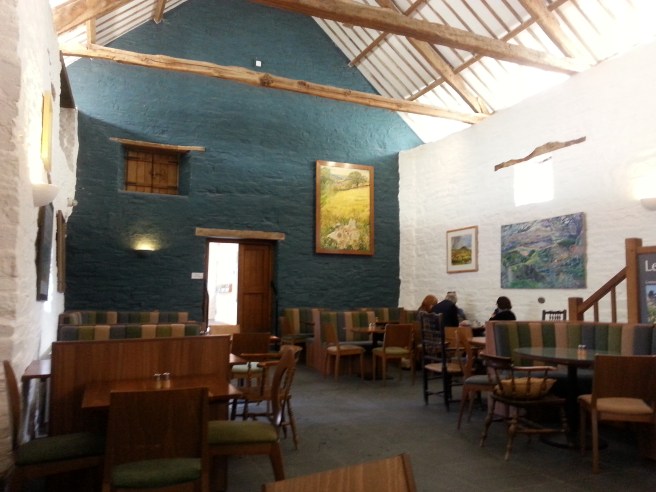

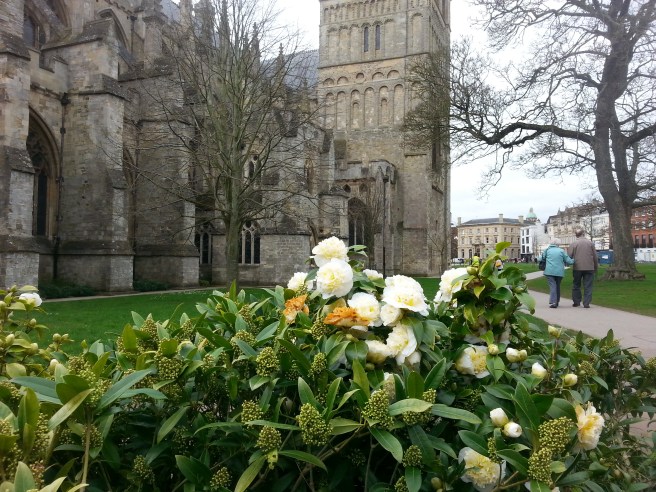
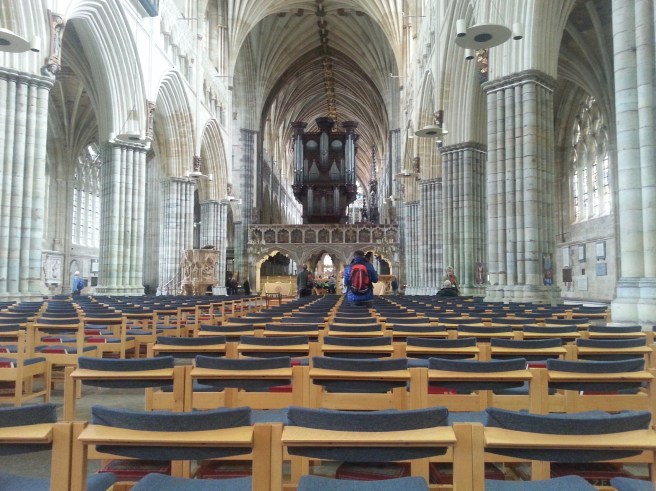
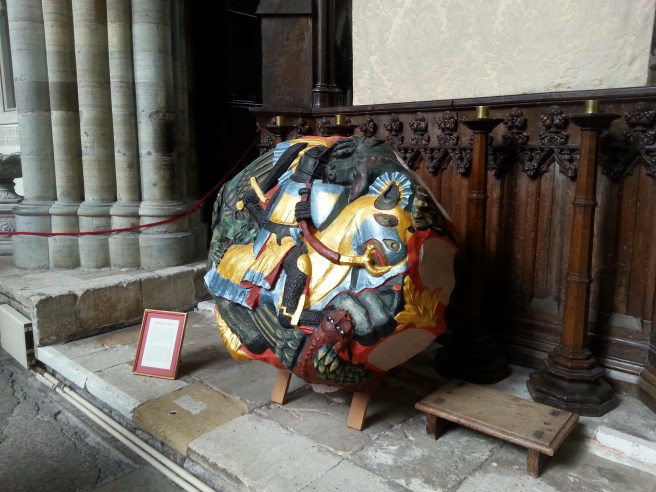 The bosses were magnificently painted and it was truly awe-inspiring to see a full reproduction of one at ground level…..a full two tons in weight, and each one acting as the keystone. We were impressed too with the Minstrels’ Gallery, the 15 Century Astronomical Clock, the complete set of Misercords (with a very interesting side-story of the one carved as an elephant), and the highly decorated tombs, bosses and corbels. Great for me in particular was to see the chantry chapel of
 Finished ‘The Killing 2’. Was it as good as the first in the series? I honestly can’t say. It was long, complicated (for me), and crammed full with incident and plot turns, and it had a contemporary theme..involvement in foreign wars and possible trouble from immigrants at home. There were one or two loose threads for me at the denouement but what I can say is that I thoroughly enjoyed reading it, and it was crime writing of the very highest standard. I might however wait a while before reading the last in the series!
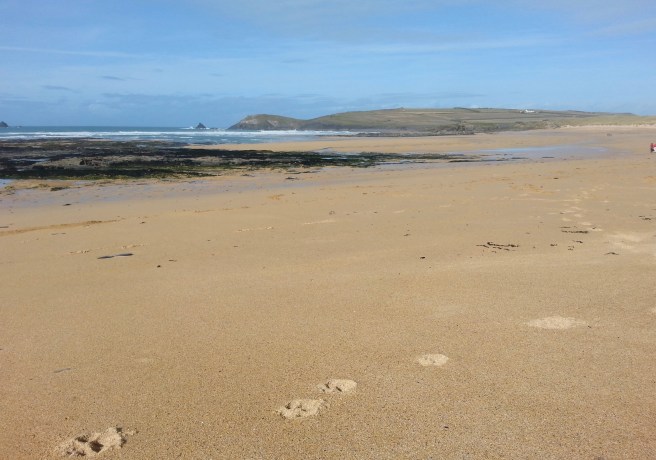 Decided today to combine visiting Lidl at Newquay for our weekend’s shopping with visits to some of the North coast beaches we didn’t know. First to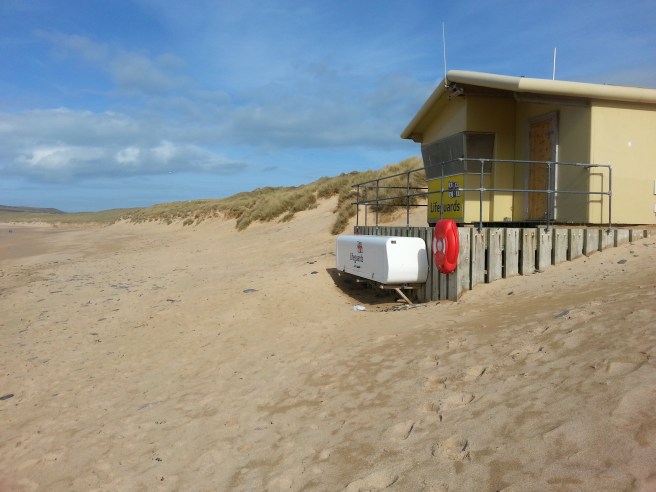

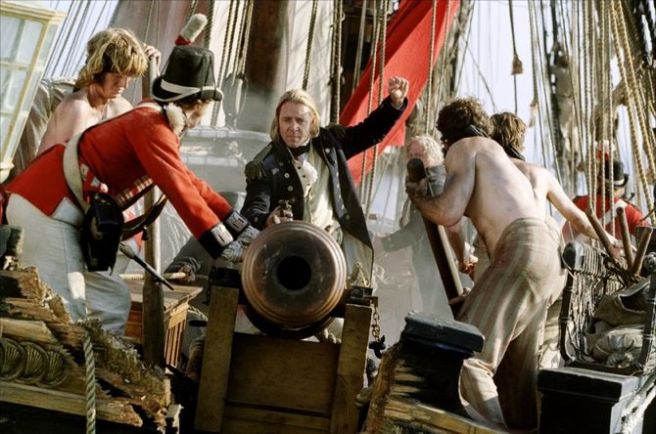 Finished Patrick o’Brian’s ‘The Fortune of War’. What a book, what an author! ‘The greatest historical novelist of all time’ according to The Times. Would I agree? I certainly would. And this without me understanding at all a good portion of what he writes. I believe I may have read the first novel in the series but am not sure. This is certainly the sort of sequence of books that I would like to read from end to end and then back again. Set in the times of Britain’s sailing mastery of the seas, around the time of Nelson, the novels are about Captain Jack Aubrey and his good friend the surgeon and secret agent Stephen Maturin. In this particular story, they are about to return to England from the Dutch East Indies when the War of 1812 against America breaks out….two sea engagements ensue one lost, one won and Maturin, when captured, finds his spying activities catching up with him in a potentially deadly way. Much excitement and a wonderful re-creation of life at sea are just the basis for a wonderful storyteller to engage us in every way. And the amount of research underlying the novel, in foreign as well as native archives, is absolutely breathtaking. Wherever possible, as the author explains in his preface, history and fiction intertwine…’in this book I have two historical frigate actions and when I describe them I keep strictly to the contemporary accounts’ which he then enumerates. In the frontispiece there is a diagram of a square rigged ship with its 21 different sails….but this hardly enables you to keep up with a fraction of the detailed action. Nevertheless, and rather surprisingly, this in no way spoils your pleasure…as the TLS said of another of the sequence ‘each incident or description is saturated by a mass of complex and convincing detail…such details might be overwhelming were they not reduced to their proper status as background by the superabundant liveliness and lifelikeness of the characters and by the pace and excitement of the narrative……..’.
 We had noticed
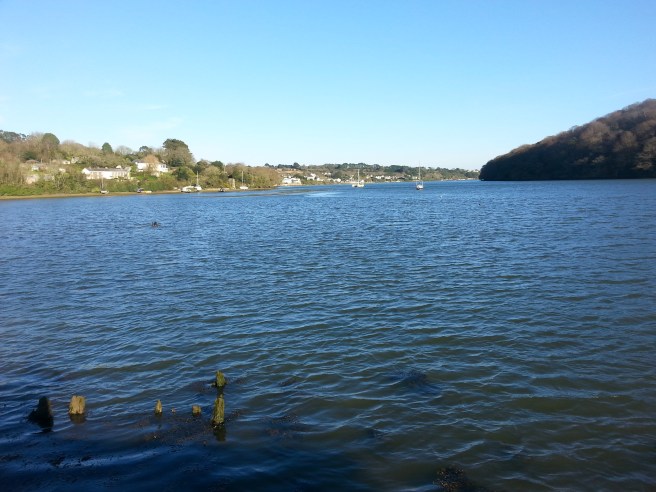
 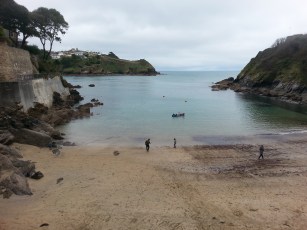 an area designated for disc golf (new to me, and most others I dare say), and ongoing work taking place. Should be excellent when finished. On the way back we called in to Fowey and parked for free at Readymoney Cove, with a pretty and interesting walk in to town. I can still find nothing to fault with Fowey….although there is evidently a lot of wealth around it does seem relatively unspoilt. A pint at the Ship Inn rounded off another good day.It is Fowey’s oldest pub dating from the sixteenth century and has a nice friendly, historic appeal inside.
 Enjoying Cornwall...