Frid 20th October….by car to Padstow and John Betjeman country

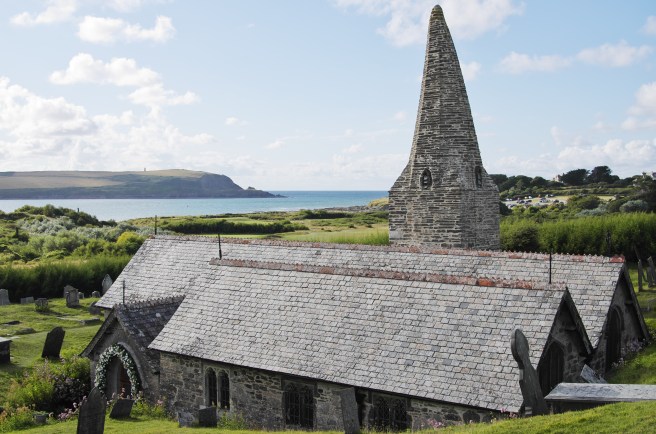
St_Enodoc's_Church,_Trebetheric,_Cornwall_03.jpg

Today we took Malcolm and Ann to another of our favourite eating places – Rick Stein’s Fish and Chips in Padstow. When we arrived in Padstow fairly early we thought we would enjoy a nice cup of tea at The Metropole Hotel which we had not visited before. Perched right above the town you get an amazing view. Our cup of tea and home-made biscuits was lovely and set us up for our lunch which as usual everyone enjoyed.

Habour-Restuarant-View.jpg

After a quick tour of Padstow itself, we went in search of John Betjeman on the opposite side of the estuary. We were actually looking for St Enodoc’s church where he is buried, and it is not easy to find, hunkered low down amidst the bunkers of the golf course. Unfortunately we couldn’t get near enough to allow Malcolm access. Nevertheless we enjoyed our drive through Betjeman country, and having told Malcolm of his connection with this area and its golf course it was very good afterwards to find a lovely piece about him on the golf club’s website. Do read Betjeman’s poem about the 13th hole and Robin Butler’s highly amusing take.


st-enodoc-church-wedding-daymer-bay-30 2.jpg


Betjeman6.jpg

Poet Laureate Sir John Betjeman had a lifelong love of Cornwall and wrote many poems about the area and with his usual eye for detail those people who like himself came to North Cornwall for their holidays. He had a house close to the 12th hole and he was buried in the St Enodoc churchyard in 1984, he himself would have had a good chuckle as his coffin was carried the length of the 10th hole in driving rain followed by a cortège of the London literary press corps inapproriately dressed for the “Poldark” conditions.

Never one of the World’s great golfers he was an enthusiastic St Enodoc Member and eventually had the distinction of being made an Honorary Member in 1977 and is renowned for his poem “Seaside Golf” which relates to the 13th hole at St.Enodoc and is printed below by permission of John Murray (Publishers) along side the later parody by fellow Member Sir Robin Butler (now Lord Butler) at the time of the Club’s Centenary celebrations in 1990.


Seaside Golf

How straight it flew, how long it flew,
It clear’d the rutty track
And soaring, disappeared from view
Beyond the bunker’s back –
A glorious, sailing, bounding drive
That made me glad I was alive.And down the fairway, far along
It glowed a lonely white;
I played an iron sure and strong
And clipp’d it out of sight,
And spite of grassy banks between
I knew I’d find it on the green.


And so I did. It lay content
Two paces from the pin;
A steady putt and then it went
Oh, most securely in.
The very turf rejoiced to see
That quite unprecedented three.


Ah! Seaweed smells from sandy caves
And thyme and mist in whiffs,
In-coming tide, Atlantic waves
Slapping the sunny cliffs,
Lark song and sea sounds in the air
And splendour, splendour everywhere.


John Betjeman

How low it flew, how left it flew,
It hit the dry-stone wall
And plunging, disappeared from view
A shining brand new ball –
I’d hit the damned thing on the head
It made me wish that I were dead.And up the fairway, steep and long,
I mourned my gloomy plight;
I played an iron sure and strong,
A fraction to the right
I knew that when I reached my ball
I’d find it underneath the wall.


And so I did. I chipped it low
And thinned it past the pin
And to and fro, and to and fro
I tried to get it in;
Until, intoning oaths obscene
I holed it out in seventeen.


Ah! Seaweed smells from sandy caves
They really get me down;
In-coming tides, Atlantic waves
I wish that I could drown
And Sloane Street voices in the air
And black retrievers everywhere.


Sir Robin Butler


On the way home we just had time to drive (with difficulty) round Port Isaac, of which more later…

P1000423.jpeg

Thurs 19th October….all to do with china clay

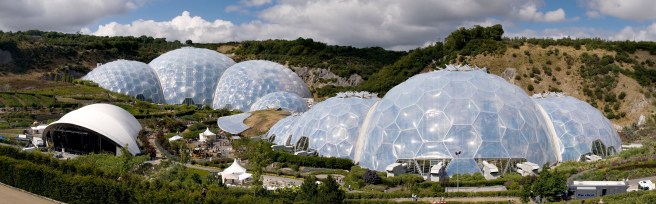
Eden_Project_geodesic_domes_panorama.jpg

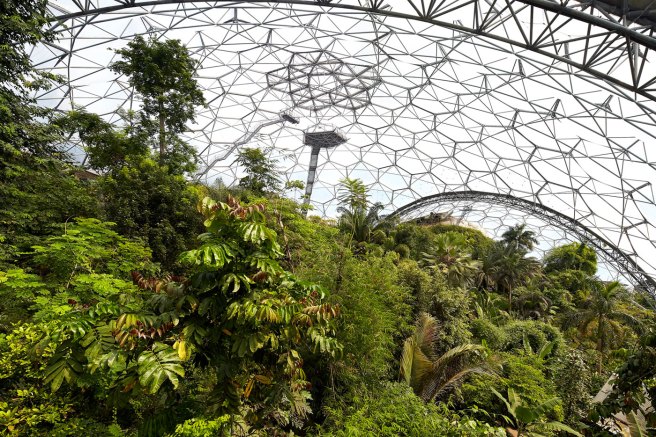
Today we split up – with Malcolm and Ann going to Eden whilst we went off to the china clay museum at Wheal Martyn. Eden of course is built on or inside an old china clay pit, as the dramatic photo below shows….what a transformation! And the biomes are out-of-this-world, or rather of other worlds we perhaps can’t visit but can experience here. We must definitely visit ourselves again soon.

clay-pit-before-eden-project-built_0.jpg

rainforest-biome-eden-project-2015-©Hufton+Crow-004.jpg

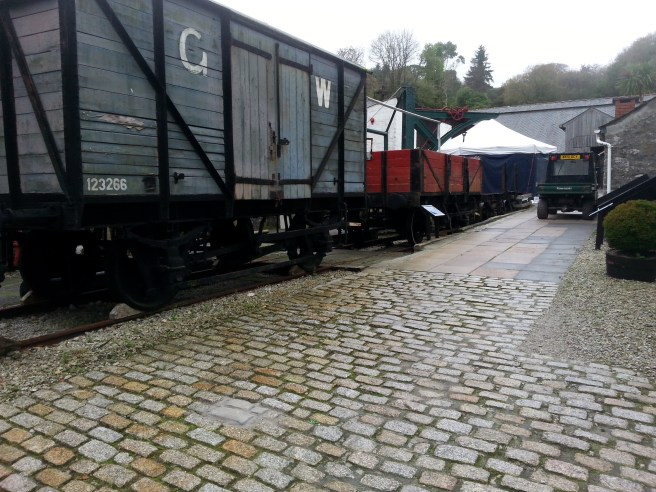
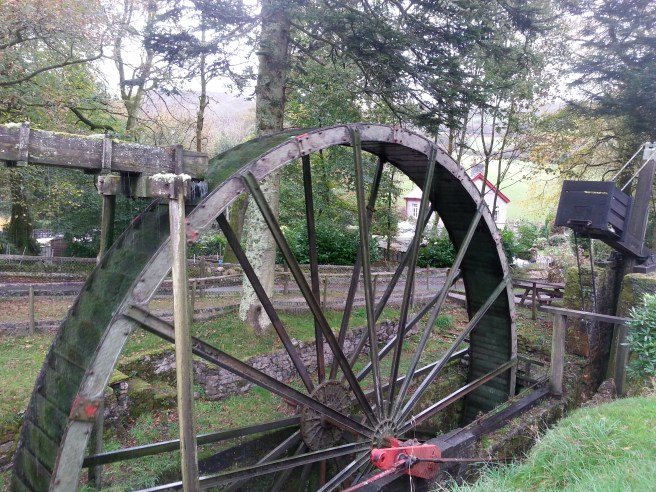
Anyway off to Wheal Martyn we went in the heavy rain, as it says ‘the UK’s only china clay mining experience’. And an excellent experience it is too, taking you through the whole china clay process with working artefacts scattered around the site and plenty to look at indoors too.

20171019_125735.jpg

20171019_125616.jpg

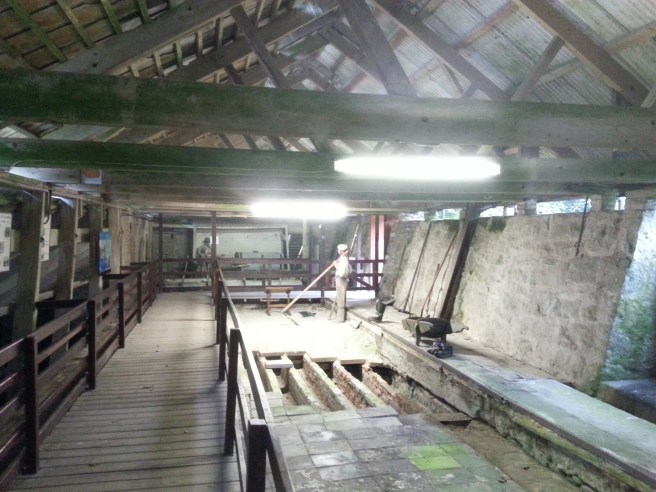
We sheltered in one of the drying sheds for quite a long time, and in the ground floor below this level there were fascinating displays relating to processes and workforce, including their out-of-work activities (splendid bands for instance some of which survive).

20171019_131208.jpg

20171019_133424.jpg

20171019_133444.jpg

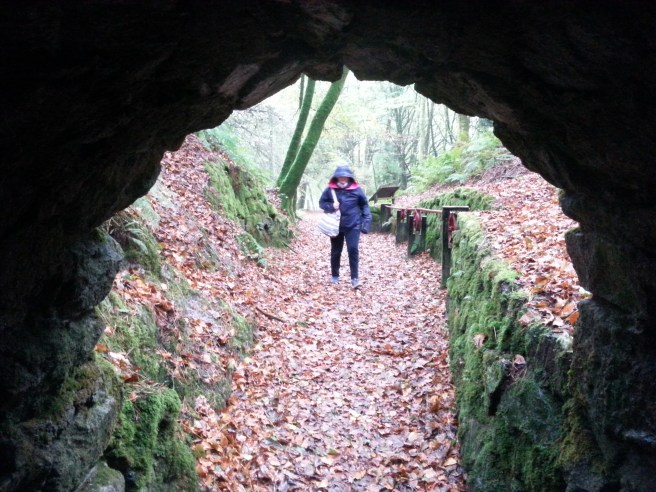
And the setting is fabulous….on a nice day it would be great to wander through the extensive grounds. But we were grateful for every little shelter today, including tunnels!

20171019_133755.jpg

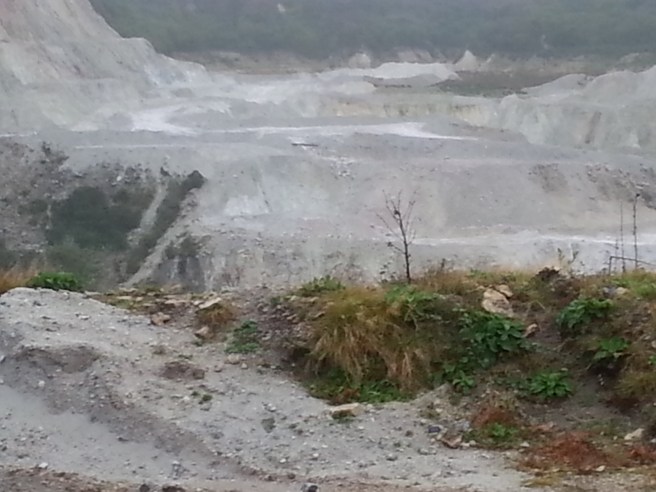
At the end of the trail, which we bravely followed, there is a viewing platform to gaze down in awe at the spectacular view overlooking the ‘Wheal Martyn’ china clay pit.  This huge working pit is still alive with activity today and is operated by Imerys Minerals Ltd. Breathtaking.

20171019_134217.jpg

We will return, particularly as this museum like many others, offers an annual pass with the admission ticket, and I would love to go on one of the guided tours with one of the ex-miners, sure to bring the whole thing alive. I am really glad we visited, as china clay is still an important industry and employer in Cornwall, and I wanted to know more about it.

Off we went to a local pub to try to get a little dry before picking up Malcolm and Ann. Having enthused about our various experiences we then set off for St Austell and a drive north through china clay country. A fitting end to the day.

Wed 18th October..by train to St Ives

20171018_114344.jpg

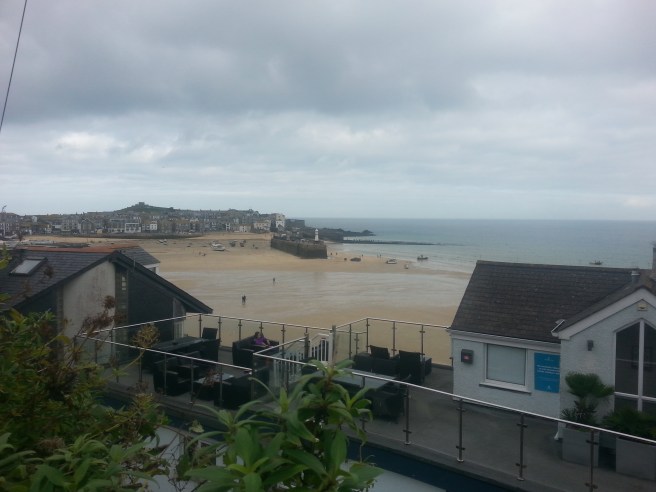
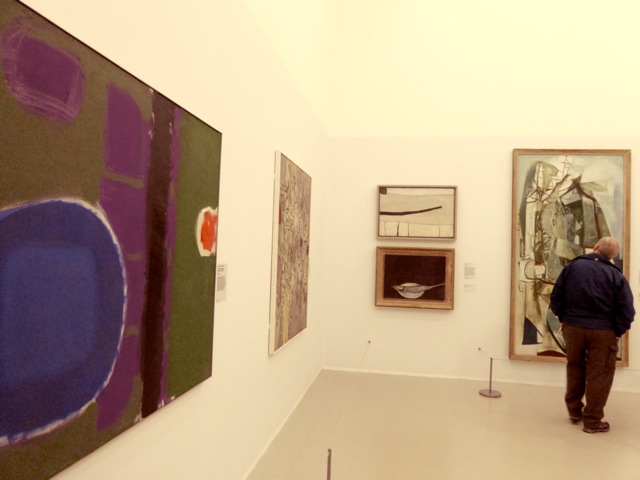
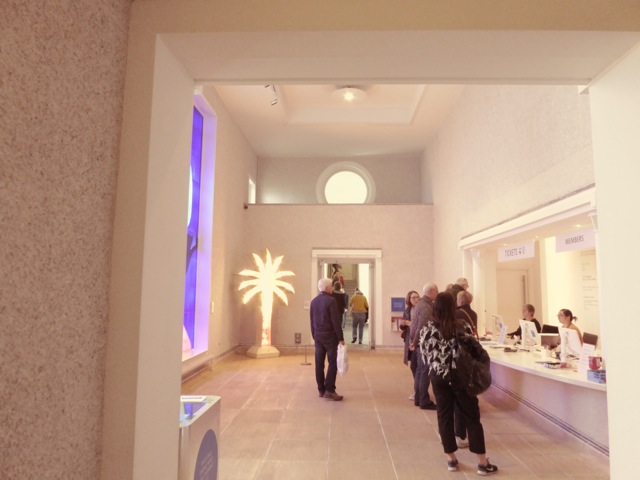
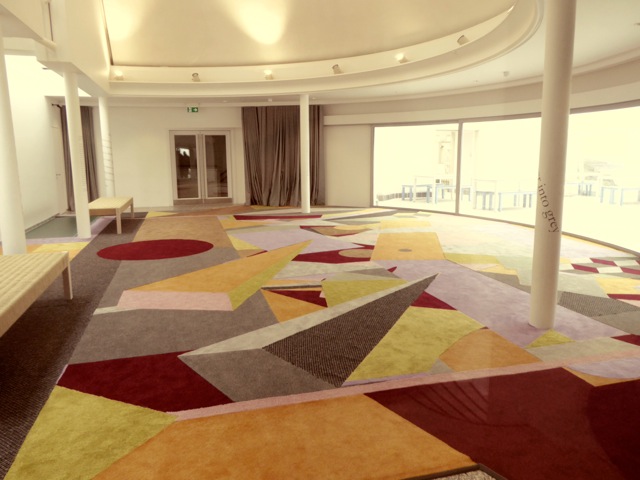
Nice to be able to take Malcolm and Ann on one of our favourite trips. Even arriving in somewhat inclement weather the journey is spectacular taking the little train all around the bay from Hayle. Just down from the station is the hotel Ped ‘N Olva which interested Ann greatly as she holidayed there as a youngster – in an annexe at the end of the garden (no garden now!). Wending our way through St Ives by taxi we ended up at the Tate which Malcolm and Ann wished to visit (not for us….all fur coat and no knickers was my view). But in truth there seemed to be some interesting art on display. Maybe next time for us?

P1000345.jpeg

P1000327.jpeg

P1000340.jpeg

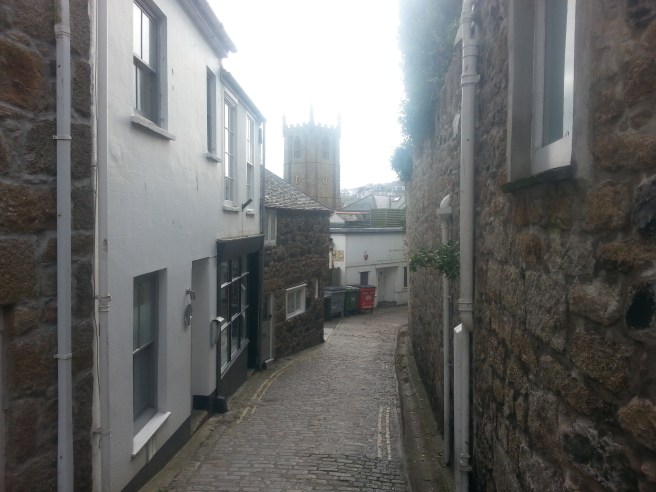
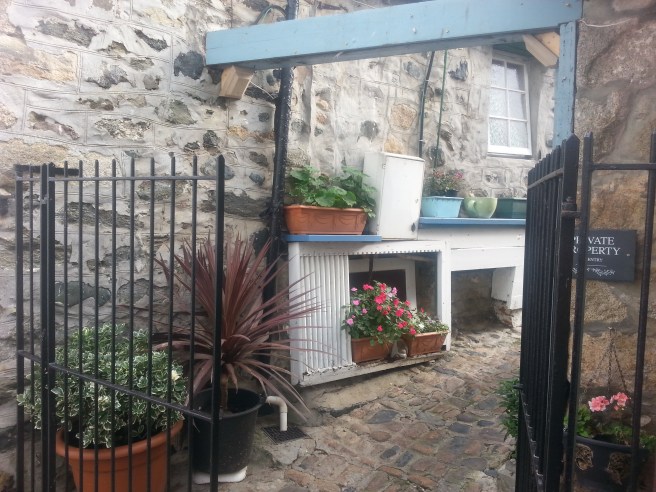
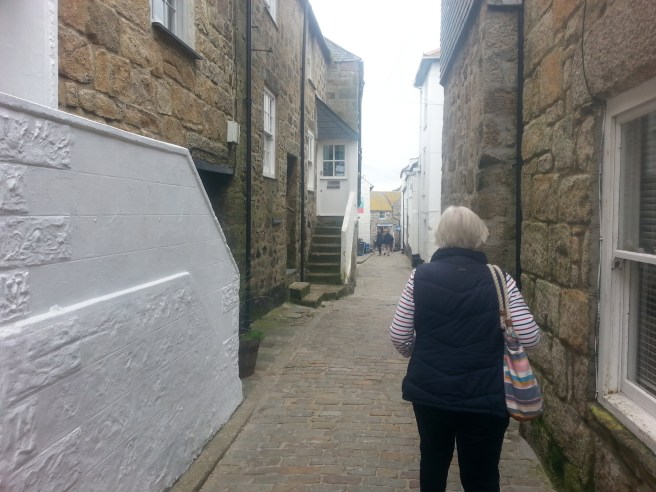
In the meantime we had great fun exploring some of the little streets and snickleways we hadn’t seen before….

20171018_122926.jpg

20171018_143938.jpg

20171018_115915.jpg

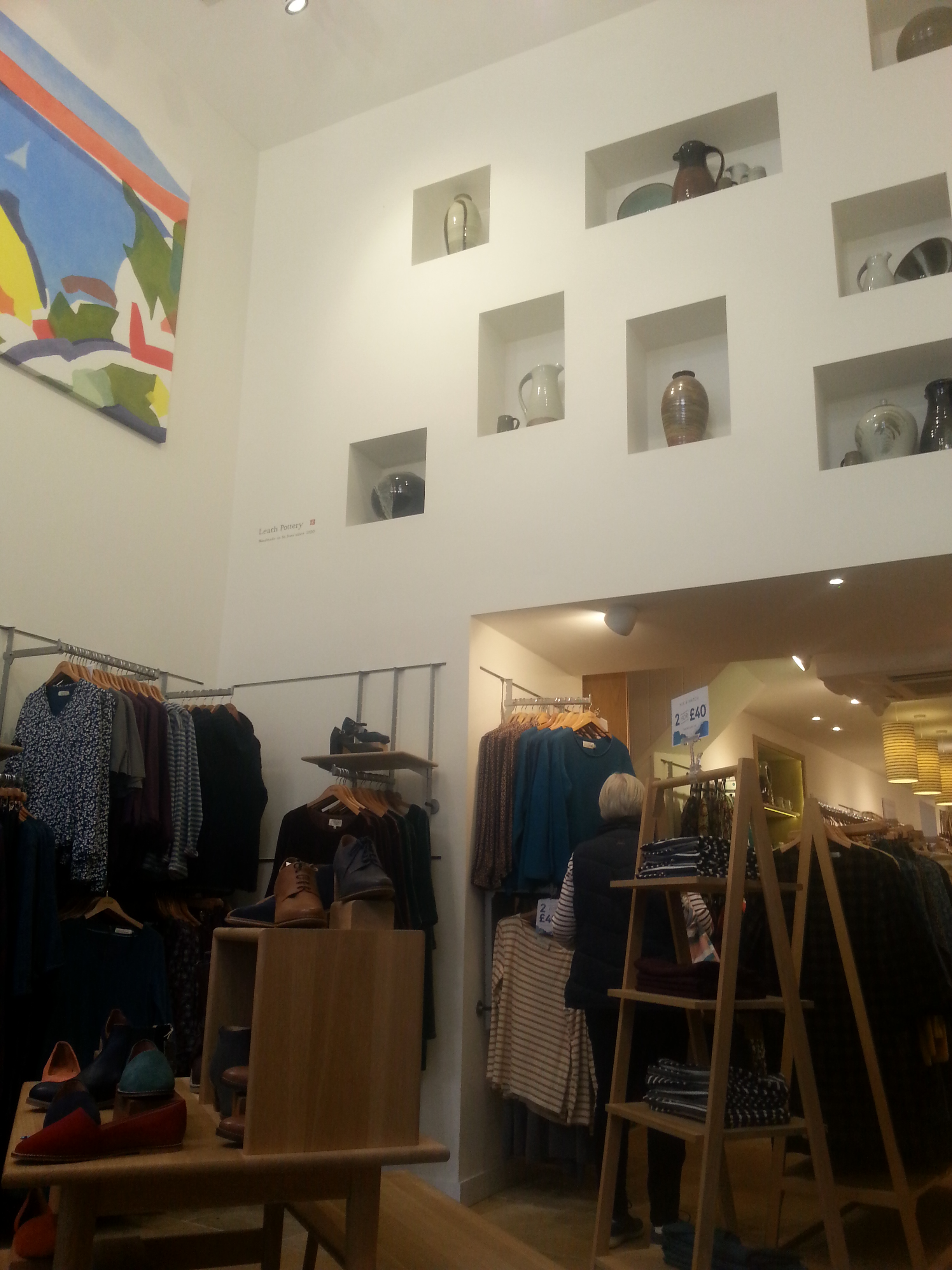
as well as the always lively shopping area. In fact some of the shops had as much artistic merit as the Tate?

20171018_125305.jpg

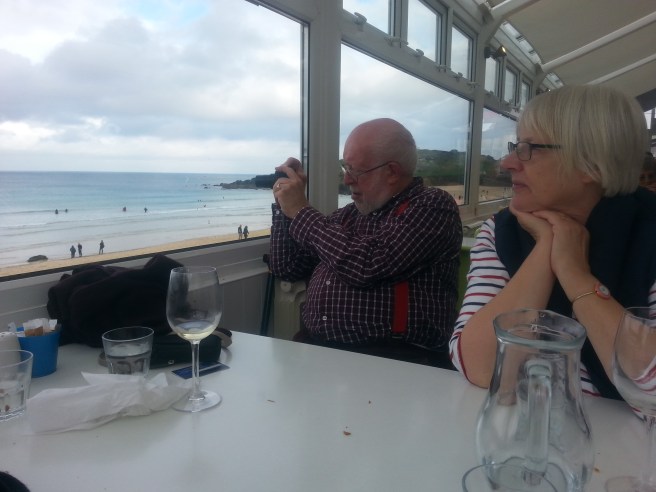
Lunch? We wouldn’t really go anywhere else than Porthmeor Beach Cafe and, true to form, the weather opened out to something a lot better. More often than not we have visited in October and it is always brilliant here, with a wide-open vista and beautiful light (it is true what they say about the light in St Ives).

20171018_130759.jpg

20171018_142211.jpg

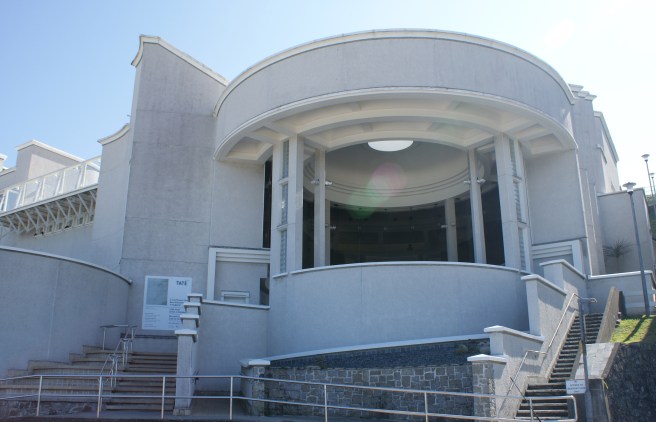
Lunch as usual was good. Malcolm was interested in the old pictures on display – one of which showed the Tate in another existence as a gas holder of all things! The current exterior cleverly reflects this…though how many people are aware of the fact I wouldn’t like to say.

Tate_St._Ives.jpg

A brilliant day out.

Tues 17th October…Talland Bay, Fowey and the Crown Inn Lanlivery…

20171017_132908 2.jpg

Lunch at the Talland Bay Hotel (sandwiches in our case) is a great start to any day. What could be better than looking out of the lounge windows over the unique gardens to the bay itself? We were showing Malcolm and Ann today some of our local hotspots. We were due to show them our favourite local village Lerryn on the Fowey, but as time pressed we opted to go straight to Bodinnick where we had time to look at Daphne Du Maurier’s house, and the general river scene, whilst waiting for the ferry. A walk round pretty Fowey itself is always refreshing and we certainly enjoyed ourselves. To cap the day off we went to the atmospheric Crown Inn at Lanlivery for a couple of pints of real ale. Twelfth century, located in a beautiful village on the hill, large slate fireplace, real ales….terrific!

crown-916x420.jpg

Monday 16th October..visit of our London friends Malcolm and Ann

104755753.jpg

Malcolm and Ann’s longish visit gave us yet another opportunity and excuse (not that we really need any) to get out and about in this wonderful part of the world. After they had made themselves at home and had a cup of tea, we showed them our immediate locality..

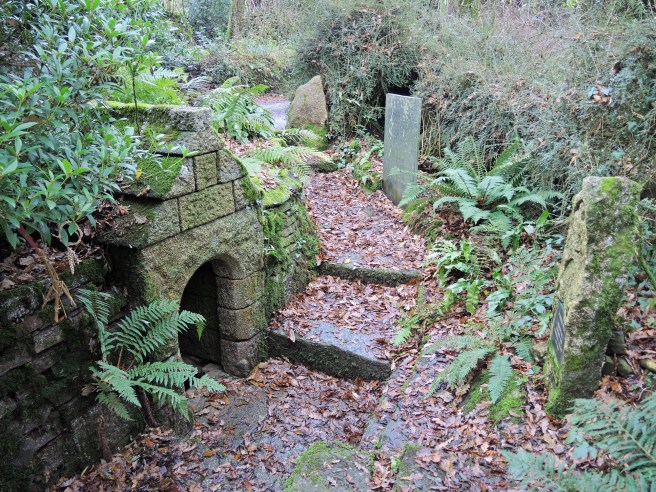
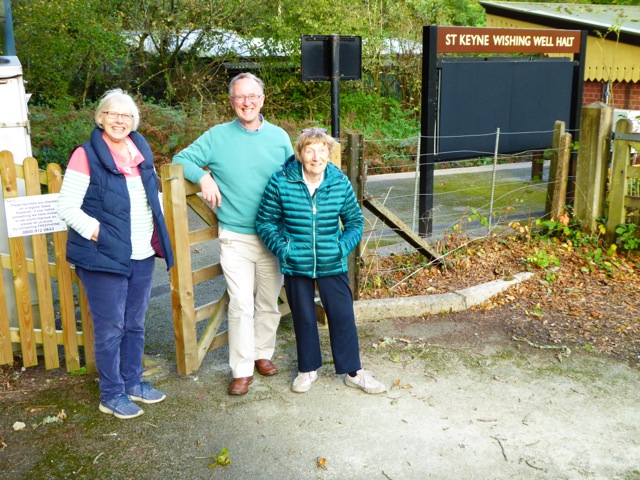
So, first to St Keyne’s Well, then to show them progress (or lack of it) in re-developing our local Hotel, next to view the marvellously-named local station,

P1000258.jpeg

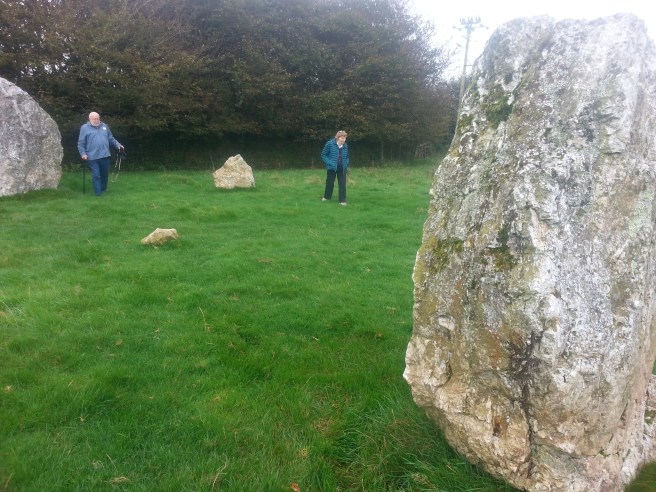
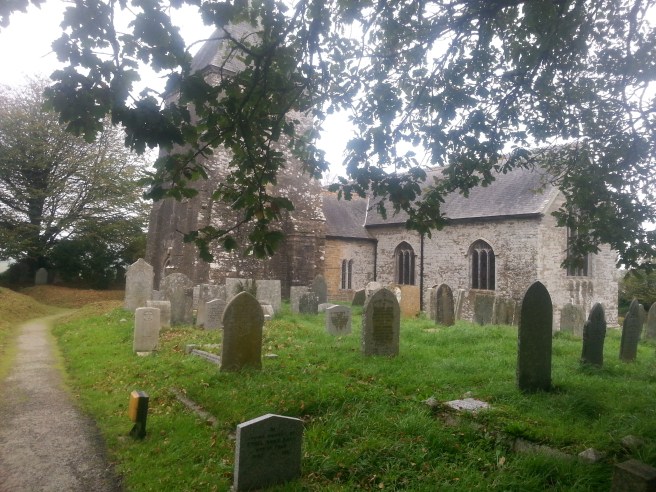
then to Duloe to examine our mini stone circle and the medieval church with its leaning tower..

20171017_121436.jpg

20171017_123057.jpg

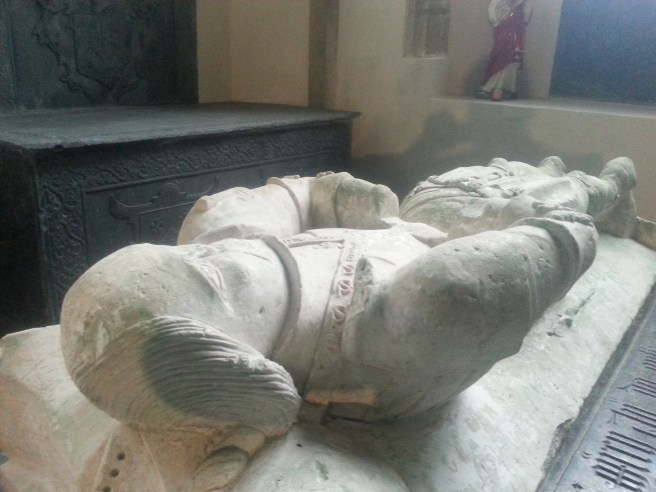
Inside we looked at the Norman font and the Coleshull chantry chapel which was added to the north of the chancel and is one of the glories of Cornish church architecture. A rood screen was added between nave and chancel, and the chapel was provided with a parclose screen. The chapel still contains the tomb with recumbent effigy of Sir John Coleshull,

20171017_123937.jpg

for whose soul the masses celebrated in this chantry chapel were intended to intercede.  However, worthy Sir John no longer gazes up into the eyes of an angel (an otherwise unexplained corbel below the arch between chancel and chapel where the tomb was designed to stand).  The arch is carved with vines and grapes, crowned roses, angels, family coats of arms, tiny statue niches and even an upside down green man. The slate monuments were also fascinating and very well done.

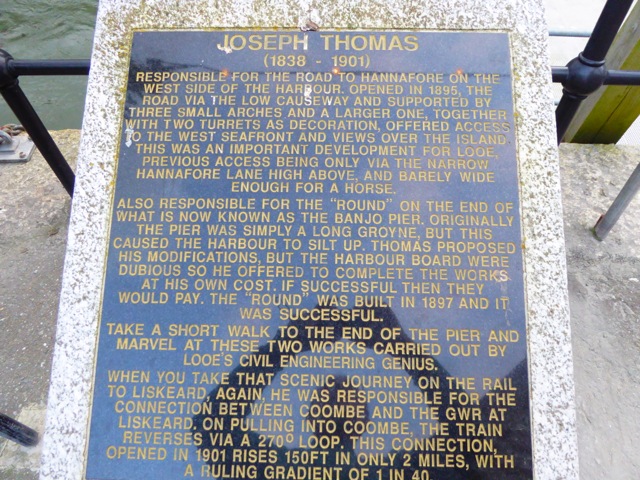
After a brief look at some of the interesting gravestones outside, we decamped to Looe and Hannafore point to show Malcolm and Ann how lucky we are to live nearby. Whilst there we pointed out the banjo pier built by local bigwig Joseph Thomas which has been replicated over the world…then home for Lancashire hotpot!

P1000270.jpegbuilt

Friday 27th Oct…Eating cheaply with sea-fresh food

20171027_120216.jpg

Bus to Looe today just to buy fresh fish from Simply Fish

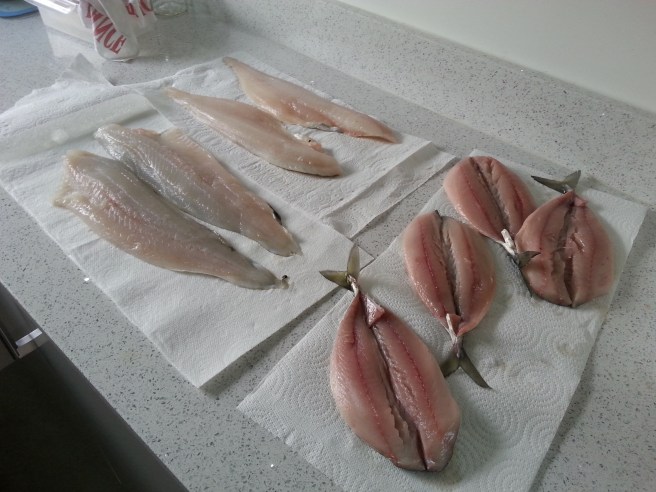
We bought one whole line-caught pollock, two haddock fillets, and four large mackerel, and had them filleted. All this cost £17.20. I can fillet but always make a mess of butterflying the mackerel, so easier by far for them to do it. If you look exactly what we bought…

20171027_120424.jpg

I can confidently say that we will get six meals for two people out of it, all with generous portions. So that makes it about £1.40 per portion. If you add in a few potatoes and say some green beans and a couple of lemons that means that each of the superb meals will cost say £1.80 per person. Now, on this basis I defy anyone to tell me that it is cheaper and better to buy ready-made. Academics will tell you that poorer people resort to ready meals because they are cheaper and more convenient. Absolute nonsense. With my experience in the fresh food industry, and a lifetime of cooking 2 and 3 course meals every day, I can only say that grannies did know best. We just have to get back to encouraging everyone to buy and cook fresh food. Not only will this be better in all kinds of ways for them, it will throw a much needed boost to our suppliers and independent shops. Oh, I forgot to mention, we eat one of the fish meals straight away and freeze the rest. It comes out of the freezer just as it went in tasting of newly caught fish from our local waters.


How times have changed…..

21059a1ec9564af2f15f18268bd79787--arnold-bennett-the-five.jpg

Having read a lot of critiques of this novel, I have come to the conclusion that they are all wrong! Some say that Bennett is pushing the message of the control of Industry over individuals. Nearly all say that it is a story of unrequited love. I beg to differ. What the novel is overwhelmingly about is the oppressive power of religion and social constraints at all levels of society over individuals who happen to exist in an industrial setting. It is also about a young woman Anna who doesn’t really know what she wants from life apart from to escape the dictatorial and stifling clutches of  a domineering father. Anna’s so called ‘unrequited love’ Willie the son of one of her tenants who fail to manage to pay their debts, is the subject of her sympathy rather than her love, an outlet for her ‘do-good’ instincts. Whatever. It is a good read once you get into it. I found it hard to engage at first with the details of the very religious society enforced by the Bursley Weslyan Methodists, but I had patience and it was rewarded. The background of Work and Poverty in late Victorian times is well dealt with and powerful and the personal story of the Tellwright family is full of interest. The denouement is unexpected and shocking and abrupt at the same time and represents an author who knows what he wants. The cover of my Wordsworth edition is amazing is it not….it is a painting of the North Kent landscape. How times have changed!

I love John Mortimer’s Rumpole novels, and when I was at school I always wanted to be a1874145._UY630_SR1200,630_ 2.jpg lawyer (although didn’t think I would have the chutzpah to be a barrister, and thought being a solicitor might be too boring). So I tackled this book with relish. The only problem is it is not by John Mortimer, but edited by him, and the write-ups of the various trials are variable…nevertheless as Mortimer says in his introduction ‘high among the great British contributions to work civilisation, the plays of Shakespeare, the herbaceous border and the presumption of innocence, must rank our considerable achievement in having produced most of the best murder trials in the long history of crime’. I do wish he had decided to re-tell the stories himself in his usual comic-serious vein. Nevertheless I did enjoy appreciating the sheer hard work, dedication, and flair that went into bringing people like Dr. Crippen, William Joyce, and many others to justice….
Thursday 5th October…how to build a cathedral


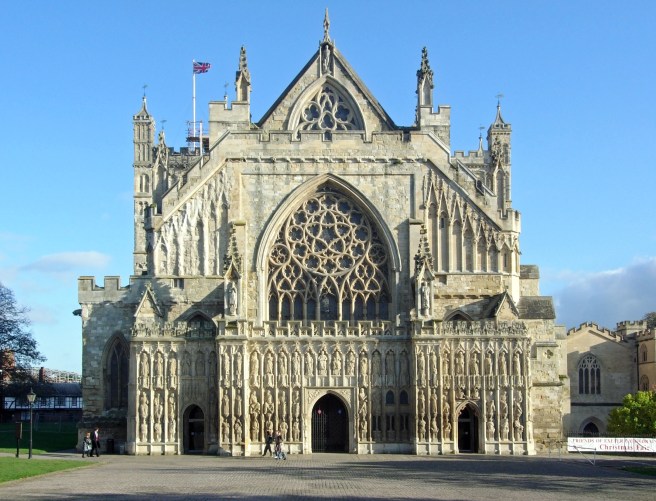
exeter-exterior.jpgThis evening we went to a talk at the splendid Devon Rural Archive in Shilstone, about which I knew very little…..P3080037.JPG
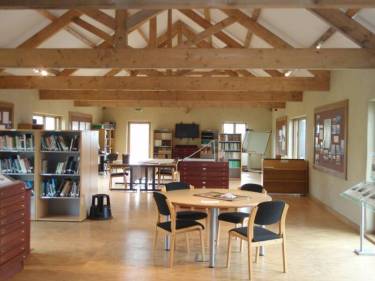
‘The DRA was launched in 2006 by the Fenwick Charitable Trust with the aim of providing a much needed resource for the people of Devon. Our focus lies primarily with the building and landscape heritage of this county but we hope that historian, archaeologist and genealogist alike will find us a useful facility for furthering their research. With the support of our patron Lucinda Lambton, we hope that our work will encourage the preservation of sites which are all too often lost to age and development without true recognition. In our purpose built archive in the grounds of the Shilstone estate near Modbury we have a growing reference library, display gallery and lecture room as well as regular exhibitions and events that make the DRA the perfect place to start your research into Devon’s rural heritage.’

The talk was by the Exeter Cathedral Archaeologist John Allen on the history of the building, how it was built, how it changed etc etc. There was a packed audience of about 100 people, average age about 65 I suppose (pity!). Not only was John a very knowledgeable speaker but he was entertaining to boot and obviously well-practiced at giving these sort of talks. Fairly early in his talk he could see we were all very involved and decided to concentrate on the first two periods of building, Norman and Early Gothic, leaving the later periods for another talk. It was a sensible move as there was so much to get through.

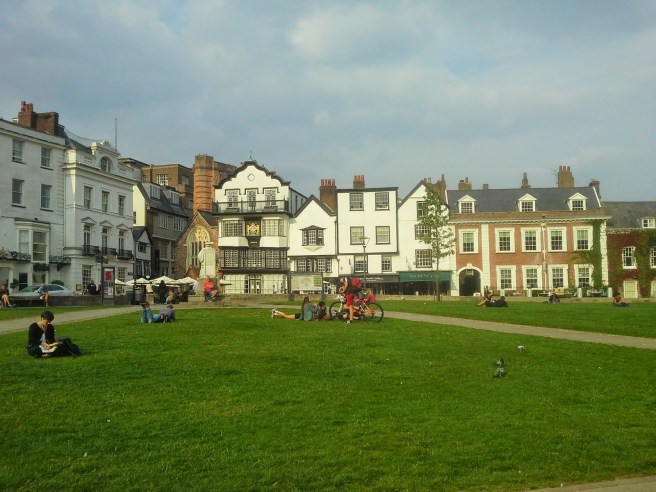
His first slides showed people picnicking on the green in front of the Cathedral, and then another shot of a similar area with dozens of skeletons, the point being that this was always a religious site and in fact, at the green, bodies are buried up to 12 deep (unbeknown to the picnickers above)…astonishing!

Cathedral4.jpg

One of the interesting aspects was where did all the material come from for building the cathedral…..whilst some was fairly local stone came from East Devon and Caen in France as well.

‘Exeter Cathedral is magnificent and some have claimed that it possesses the most varied geology of any British cathedral. Materials from over 20 different quarries, many of them local, were used in its construction. The outer and inner Cathedral walls are made of Salcombe Stone, a sandstone quarried from Salcombe Regis in East Devon. Between these walls is a loose filling of the same volcanic trap (lava) quarried two miles west of the river Exe, also used in the construction of the City walls. Chalk mines at Beer, also on the east  coast of Devon, were worked to provide stone for use in some of the Cathedral’s sculptures, which can be seen on the impressive image screen at the front of the building.

More local geology can be seen inside the Cathedral. For example, the pillars supporting the Patteson Pulpit are made of a Devonian limestone that can take a polish. This rock has been deformed by the earth’s movements, such that some of the corals within it appear elongated.’

And something that satisfied my curiosity was finding out that the reason Norman buildings are so dark is structural…they were frightened to insert larger window apertures in case the walls came down.

Exhibitions~~element83.jpgOutside of the talk we were able to look at an exhibition of watercolours by one of the early nineteenth century travellers in Devon, and also admire the library and resource centre. I ascertained that this whole effort is privately funded which is unusual to say the least and the main work of the DRA is its research project…
Since 2006 the Devon Rural Archive’s small team of Consultant Archaeologists have been recording the history, significance and development of manor houses and farmhouses in Devon from Domesday to the present day….Using the 1765 map of Devon by Benjamin Donn as a starting point, nearly 1000 sites have been identified for further invesigation by our team; this includes both manor houses and farmhouses and their associated outbuildings as well as many parks and gardens. To date we have reported on approximately 130 of these sites through our archaeological surveys which are supplemented by map and document research in our own and other archives. Most of the reports are available to view in our library……’

Why isn’t there an institution like the DRA in every County….there should be!

Friday 29th September…destination the V&A…via the BBC and Docklands

20170929_104531.jpg

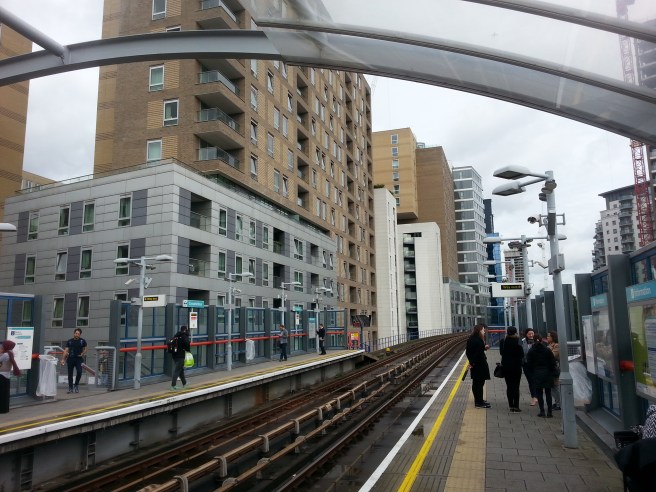
So, why the grapes? Well these are a few of more than a hundred bunches just outside Malcolm’s front door….just shows what sort of climate London has these days. He has, with neighbour Mike, just bought a small grape press on eBay so it’s just possible we may get something similar to Chateau Pomeroy next time we visit. Anyway, having admired the grapes off we went to Docklands for a look at how much it has changed in the couple or so years since we’ve been there (a lot).

20170929_115311.jpg

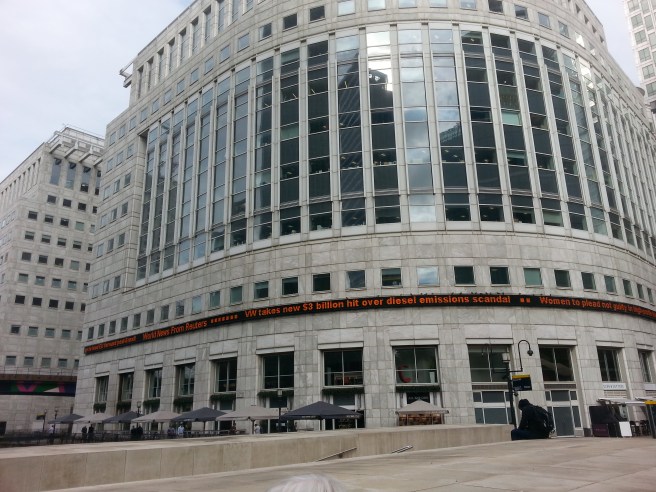
I particularly liked the Reuters building with moving news announcements…

20170929_112814.jpg

I understand my son has bad vibes about the whole area (having worked there), but I loved its vibrancy, I liked a lot of the new skyscrapers and the gardens and the waterside areas and the swish shopping centre. Mind you if I worked there, I would maybe feel the same…

Our next stop was in Portland Place…..

nintchdbpict000290048566.jpg

Malcolm was keen to take us to the cafe next to the live weather centre and with a view of other BBC proceedings. Most unfortunately we were met by at least half a dozen security guards in the foyer…..the public no longer have access. Current state of play I suppose.

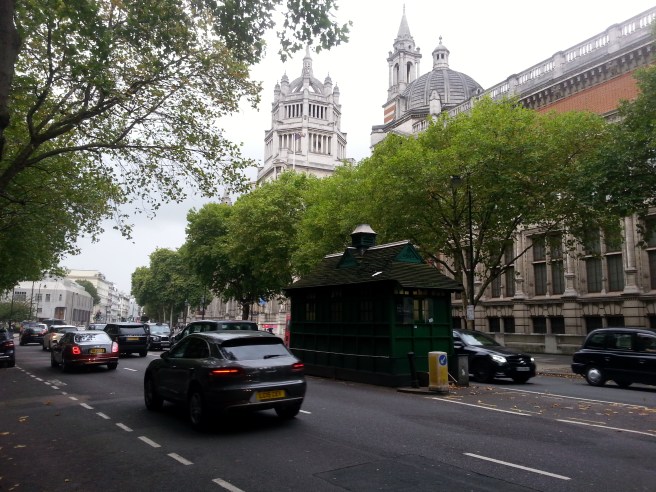
We were not to be foiled at our next stop, however, here seen behind the taxi drivers caff which is open to the public…..somewhere I had never been and always wanted to….the V&A.

20170929_141914.jpg

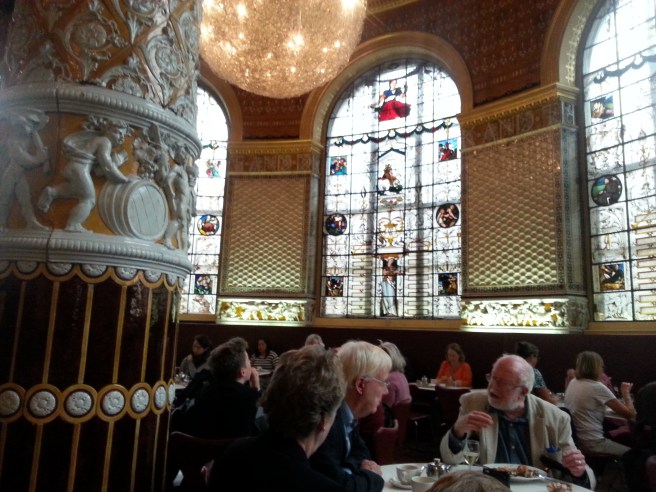
Inside we were greeted by a very very helpful lady who told us all about the highlights and the tour, and pointed us towards the cafe across the courtyard for lunch. There is a very nice water feature in the middle of the courtyard but, as it was raining, it was difficult to see where the pond ended and solid ground began, so Malcolm and Ann got a bit too acquainted with said water feature, making this a trip for them they will remember. The food was excellent, really really good and not too expensive, and the setting remarkable…..as often happens Malcolm quickly made some new friends.

20170929_150303.jpg

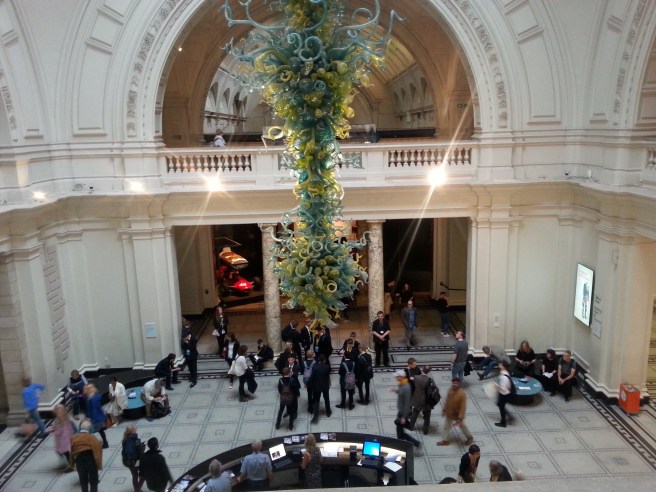
Sated, we went on the one hour tour with a cheery, enthusiastic and obviously very knowledgeable Scottish guide. This is by far the best way to get to grips with museum or art gallery. The only piece of her choice I didn’t much like was the first – the chandelier in the entrance hall…..still it’s only on loan!

20170929_153452.jpg

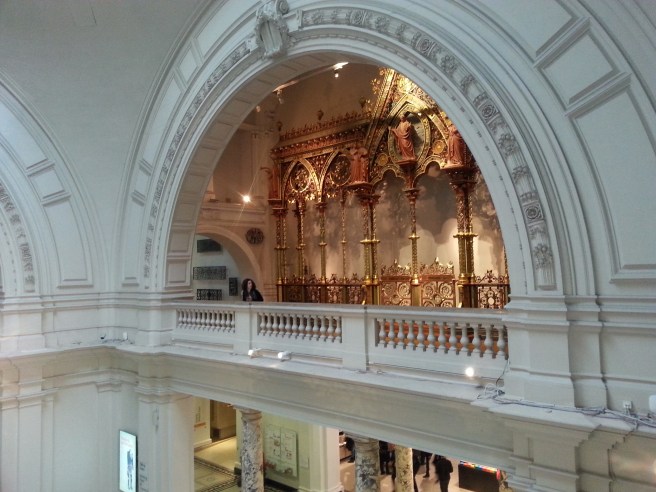
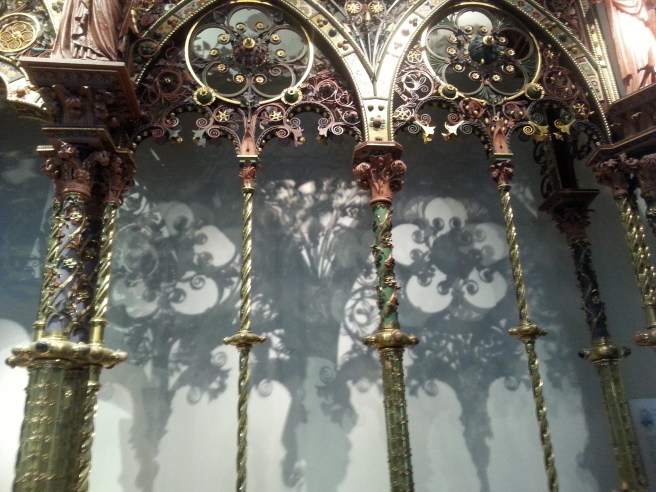
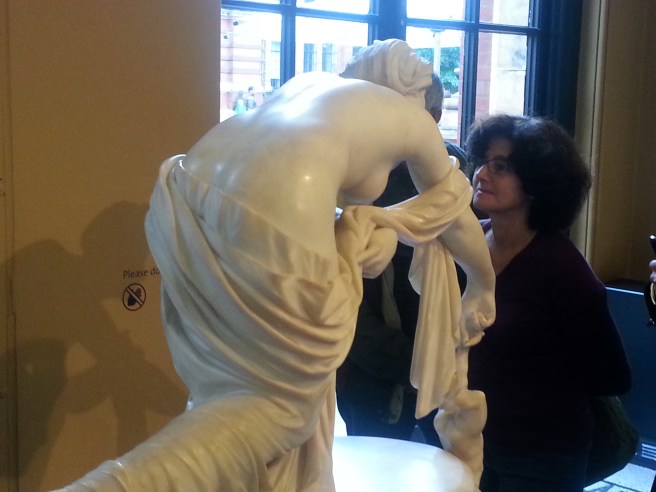
After that we had an amazing introduction to High Victorian decoration…the rood screen taken from Hereford Cathedral in the sixties (when it wasn’t appreciated) was stupendous….by George Gilbert Scott unsurprisingly.

20170929_153447.jpg

20170929_154321.jpg

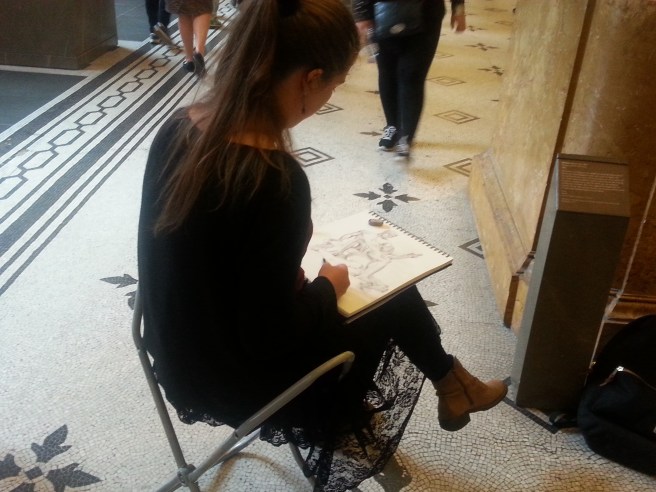
but we also were given fascinating background history to a large number of other treasures – from Edwardian ladies costumes to Rodin sculptures. It truly was a memorable experience. When wandering around it is always great to see people at work…

20170929_162119.jpg

and getting very close to some of the exhibits!

20170929_162426.jpg

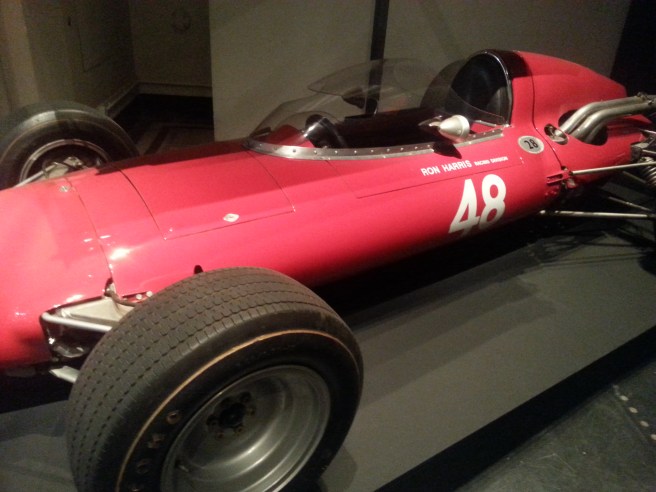
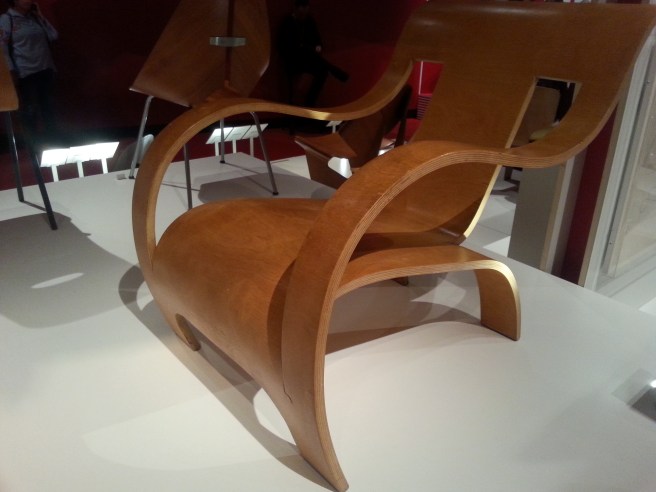
The Casts Court was out-of-this-world, and since it was right near the entrance we went round the Exhibition on Plywood. It might seem a strange choice, but we had been told it was good, and boy was it good. The exhibition had been put together with tremendous thought so that it was a mix of objects – everything from racing cars to houses -and historic film clips and much else. Who would have known that Plywood has proved so versatile a material!

20170929_175613.jpg

20170929_180702.jpg

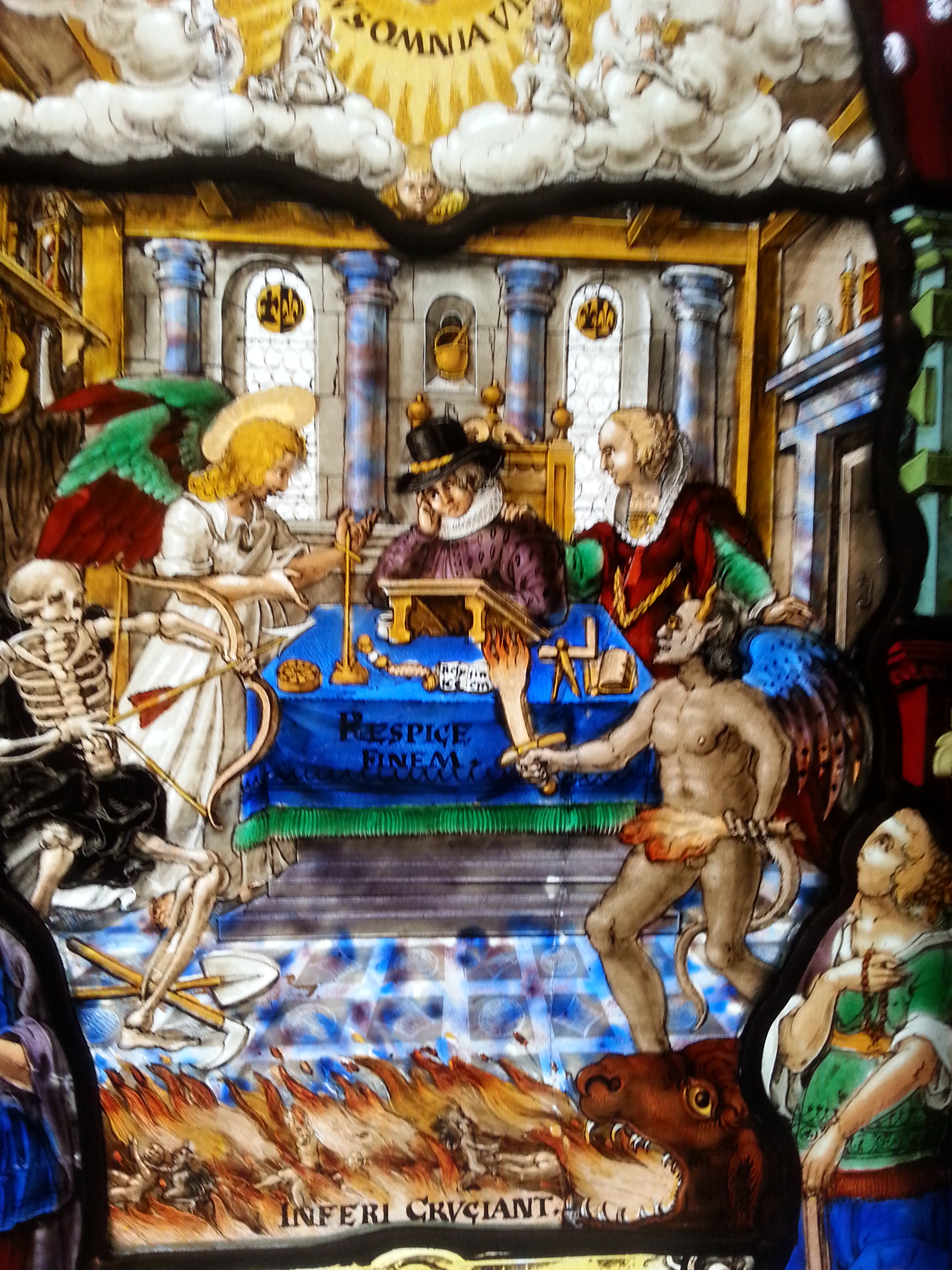
After that we only had time to look briefly on our own at the ground-floor Medieval and Renaissance European Gallery….and it was, I am running out of words, stupendous

20170929_182400.jpg

before meeting David and Jennifer for a glass of wine (as it was late-night opening).

Our day finished with a bus trip to Acton to see D and J’s newly finished (more or less) flat, and we were very impressed. A lot of hard work and problems along the way, but it’s all been very worthwhile.

IMG-20170805-WA0002.jpg


Thursday 28th September…to Kent in search of Knights and oast houses…

20170928_122031.jpg

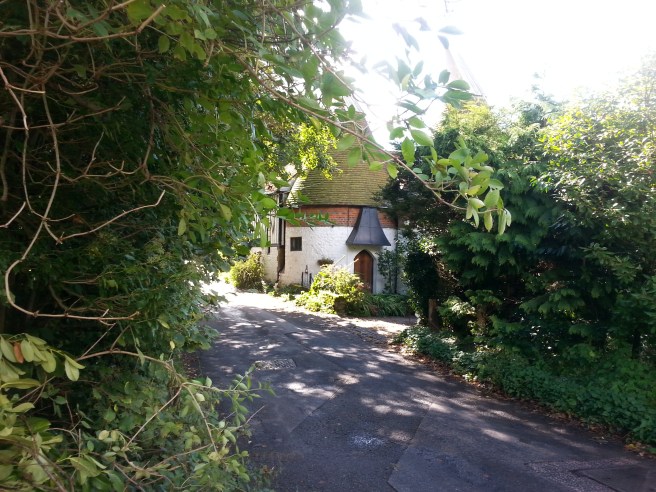
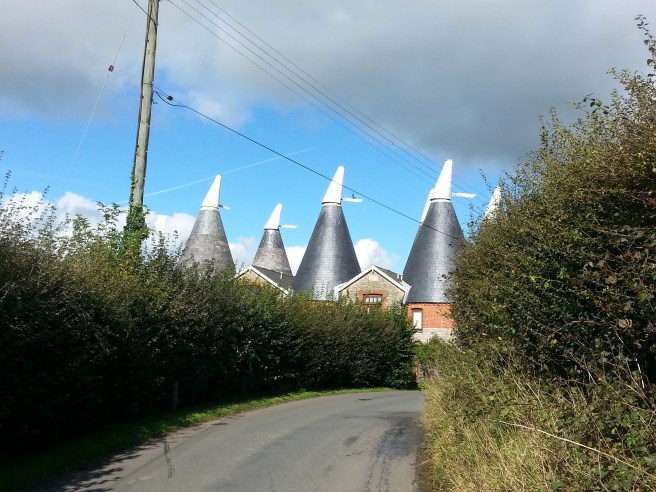
It really is remarkable that Malcolm and Ann live within a very short train ride from the centre of London, and yet can be in beautiful countryside in Kent or Surrey within 40 minutes. We were on our way to Old Soar Manor but Malcolm was keen to show us at least some of the many surviving oast houses which are so typical of Kent. Now who couldn’t say that the first we came across down a beautiful country lane was not in the rural depths of France. Some of the conversions are magnificent.

20170928_122022.jpg

And oast houses don’t just come ‘in single battalions’….

20170928_122754.jpg

The drive was idyllic (once we left one of the main routes out of London of course). And we took our time getting to Old Soar Manor. We had talked of visiting one of the grander NT or HHA houses, but I am so glad we went to this rare thirtieth century survival. Although it belongs to English Heritage, entrance is completely free and we were the only people there (apart from a van driver delivering a parcel……he soon found out this wasn’t the correct address!).

20170928_123825.jpg

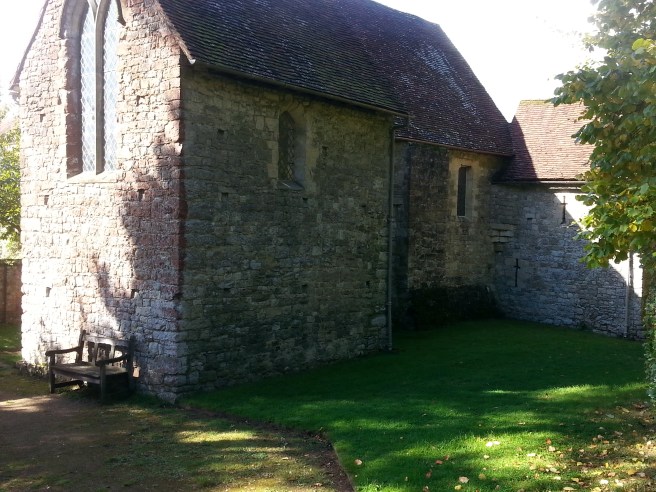
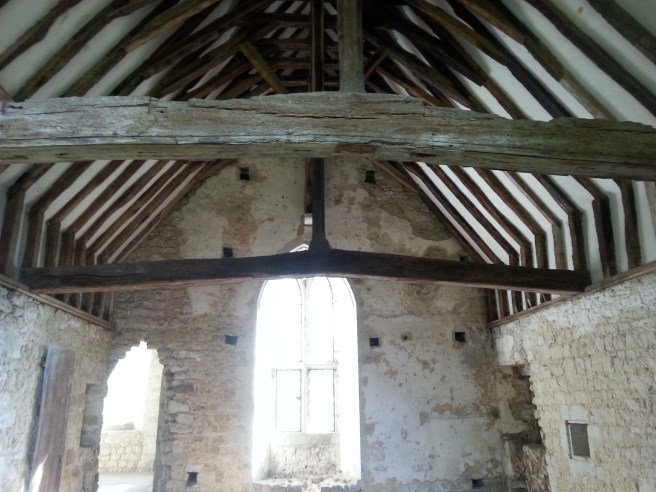
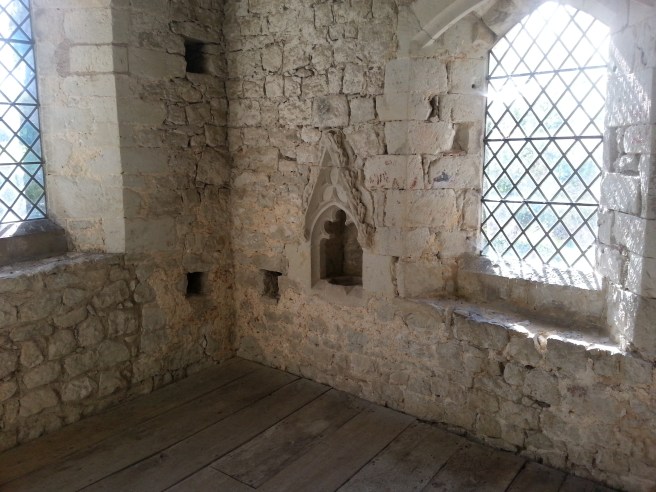
The building itself adjoins a farmhouse which once was the site of the great hall….what survives is the undercroft, the solar or private apartment, a chapel, and a latrine. A very detailed history of the buildings and the families who lived in them can be found on the Kent Archaeology site . We wandered round for a considerable time taking in the atmosphere and reading the very informative display boards. Whilst the crown-post collar- purlin roof is probably the most impressive feature, the garderobe was fascinating as was the chapel with its very early piscina and decorated bracket. The garderobe was thought to be the weakest point (bearing in mind that this was a manor house meant to be defended), and so it was constructed with several arrow loops to protect it, one of them being inconveniently located directly above the privy shaft!

20170928_125209.jpg

20170928_125305.jpg

‘The house is important for its place in the evolution of the domestic house. Early manor houses often consisted of a hall surrounded by detached buildings, which served the functions of upper and lower ends. Old Soar Manor represents an intermediate stage between this discrete collection of buildings and the grouping of elements under one roof. The solar is attached to the hall but the garderobe and chapel are only just attached to the solar, as Wood says, ‘touching like playing cards at the corners’.26 There is little that is comparable in Kent in date, layout or defensive features and the house should be compared nationally with Manorbier Castle, Dyfed; Charney Bassett Manor, Oxfordshire; and Little Wenham Hall, Suffolk.’

‘The manor house and the surrounding land have remained remarkably untouched by the twenty- rst century. Viewed from the western side of the valley, the landscape could be the landscape of the sixteenth century as described in the survey of 1568. The roads follow their medieval courses and are still only the width of a horse and cart in many places. Visitors to the medieval wing, looking out through the windows or arrowloops, see elds little different from the acres bought by Geoffrey Colepeper in the fourteenth century. And William le Hore, if he were to return, would recognize his thirteenth-century private quarters and could congratulate himself on the survival of a house which is of national importance in the twenty- first century.’

20170928_131852.jpg

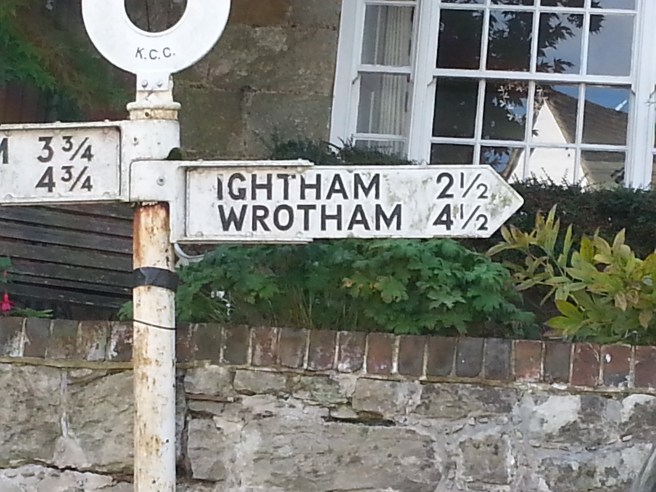
Incomparably one of my favourite historic houses, it was great to spend time there. All that rooting around and intellectual activity meant we were hungry so Malcolm took us to one of his favourite country pubs (there are many!) at nearby Wrotham The Bull Hotel Apart from the gourmet food, the highlight was looking at the stamps imprinted and preserved on the ceiling of Battle of Britain pilots for whom this was a favourite watering hole. Each records a ‘kill’. The signatures of the pilots seem to have vanished which is a great pity.

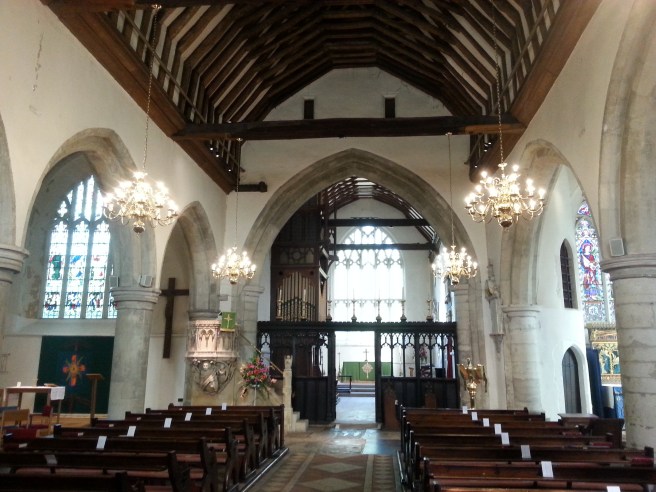
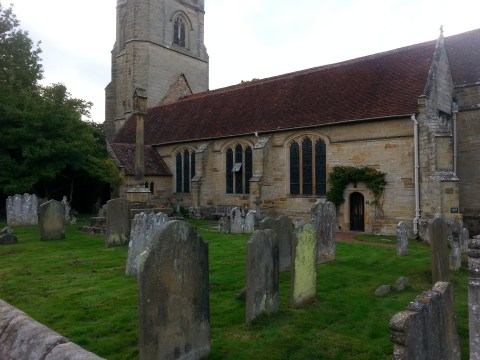
After lunch we had a look round St George’s Church which is late thirteenth century with an unusual fifteenth century tower with a vaulted passageway allowing processions to pass underneath (that is the theory anyway).

20170928_154714.jpg

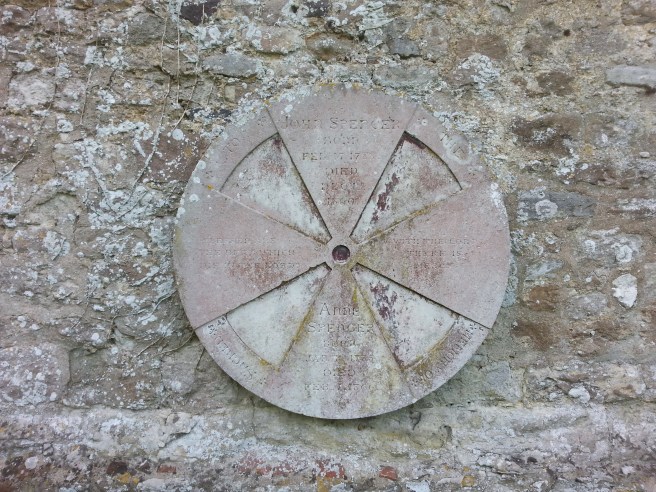
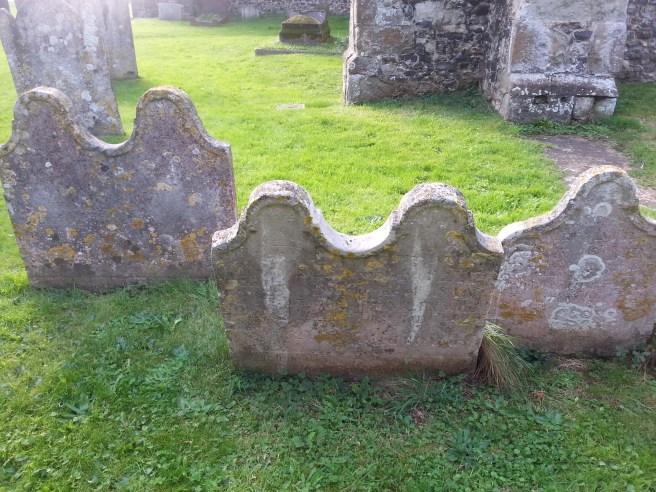
Outside there were some interesting monuments and a lot of the apparently very typical Kent gravestones (I have not so far been able to find out anything about these).

20170928_155119.jpg

20170928_155229.jpg

20170928_155656.jpg

‘Wrotham parish church is a Grade: I listed building, dedicated to Saint George. The Saxons built the first church in the 10th century. The Normans rebuilt it in the late 11th or early 12th century. Extensions and enlargements continued until the final stage in the 15th century with the construction of the west tower. Richard Melchbourne –Vicar of Wrotham 1397- 98 – bequeathed four marks for the purchase of bells in 1404. Lester and Pack recast six bells into a ring of eight in 1754. In 1798, Edward Hasted described the Wrotham church as a ‘very handsome large building, consisting of three isles, a cross isle, and a large chancel, which last was new- paved and otherwise much beautified some years ago, by the late rector, Dr. John Potter’. Newman and Billing carried out a major restoration to the chancel in 1861….

Until 1349, The Archbishop of Canterbury had a palace just behind the church. However, Archbishop Simon Islip, required the materials for his riverside palace in Maidstone, and demolished part of the building at Wrotham, leaving only what amounted to a large house.’

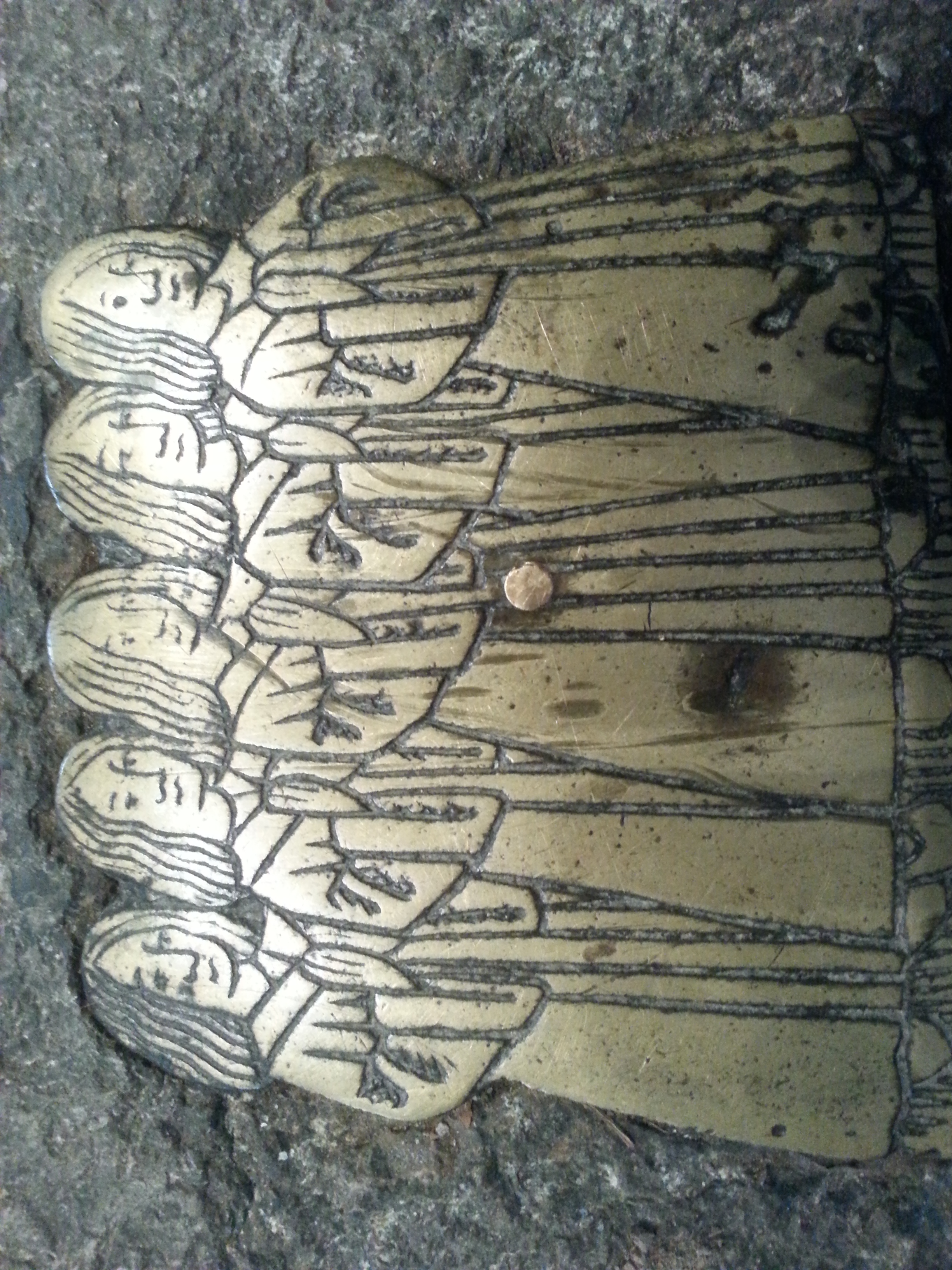
One feature that appealed greatly to me was the brass monuments inset into the floor at the entrance to the chancel…

20170928_160330.jpg

20170928_160643.jpg

Victorian ‘improvements’ were detailed and respectful.

20170928_160449.jpg

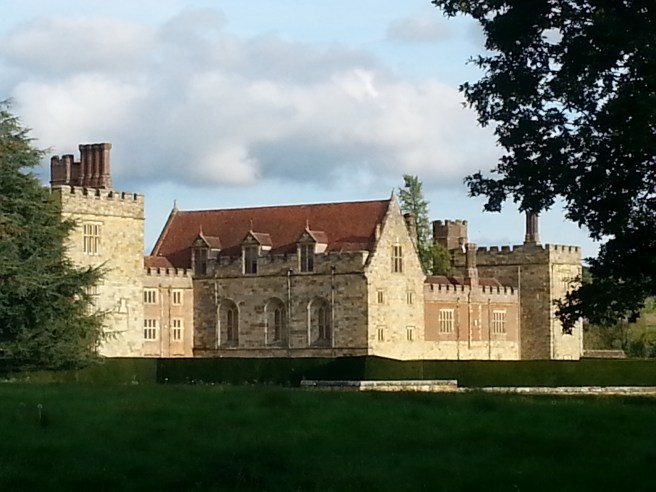
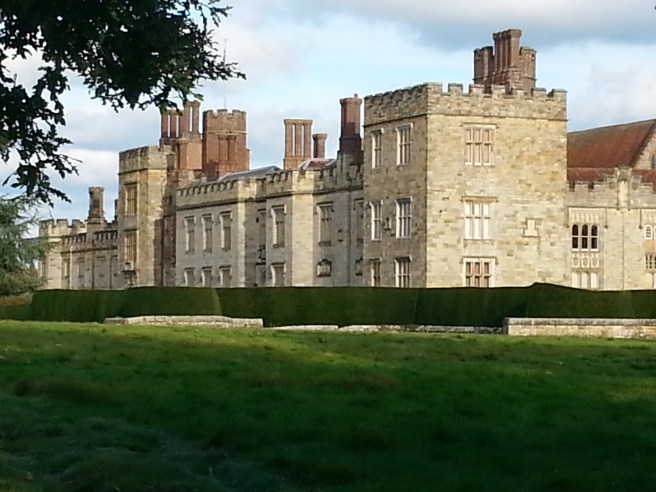
Pity we didn’t have time to do a walk around the village as there is so much to see, but we wound our way through the countryside passing through a number of very pretty villages and big houses……Penshurst Place looked quite spectacular in its landscape…it was given to Anne of Cleves as part of her divorce settlement. Hever Castle the family home of Anne Boleyn is nearby too……all for another time. We were destined for the village of Chiddingstone.

20170928_165231.jpg

20170928_165354.jpg

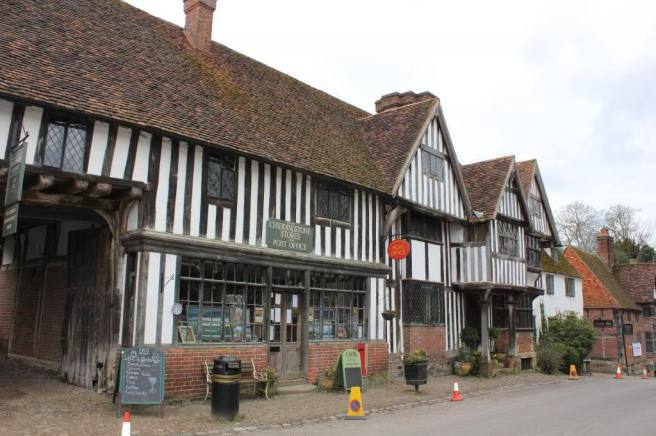
On arrival in Chiddingstone which is owned by NT we found ourselves agreeing it being described as  ” the most perfect surviving example of a Tudor village in the county”. Malcolm was keen to show us the schoolhouse which was used as the main house in the film ‘A Room With A View’ (not looking like a school in the film of course). We looked at 20170928_172223.jpgthe exterior of the church of St Mary  and found the village shop unfortunately just shutting (described euphemistically perhaps as ‘the oldest shop in England”). Having peeked in the grounds of Chiddingstone Castle (again for another day) we adjourned to the friendly pub The Castle Inn which itself dates back to the fifteenth century and discussed the doings of the most recent owner of the Castle a quirky character called Denys Eyre Bower who collected the extraordinary treasures within the house, but who is also infamous for his misdeeds. He was convicted of attempted murder of his girlfriend and attempted suicide and sentenced to life imprisonment. Released in 1962 after successful efforts by solicitor Ruth Eldridge to prove a miscarriage of justice, Bower returned to Chiddingstone Castle which, with the help of Eldridge and her sister Mary, he continued to open to visitors until his death in 1977.

050_zps3077aa73.jpg

20170928_172418 2.jpg