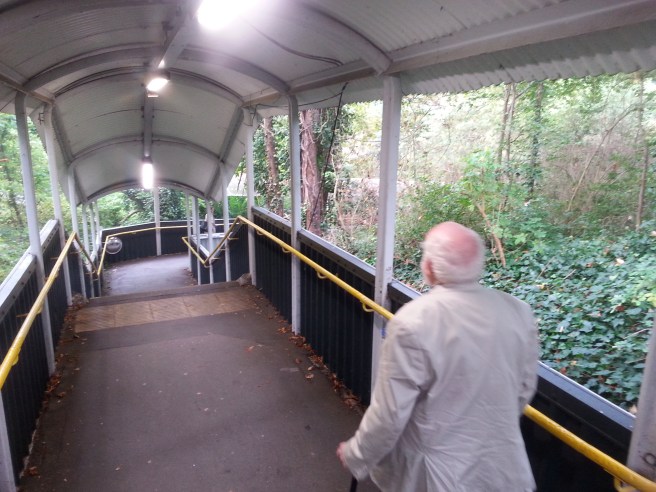
Our day started with a trip on the new Overground from Malcolm’s local station Sydenham Hill which is an incredible place in itself…..you almost float through the trees to get down to the platform via slopes and steps…
‘The station is at the north-western portal of the Sydenham Hill Tunnel, located in a deep cutting with access to all platforms (and the station itself) via steps. Originally the station was known as Sydenham Hill (for Crystal Palace), due to its proximity to the Crystal Palace until 1936 when the palace was destroyed by fire.’
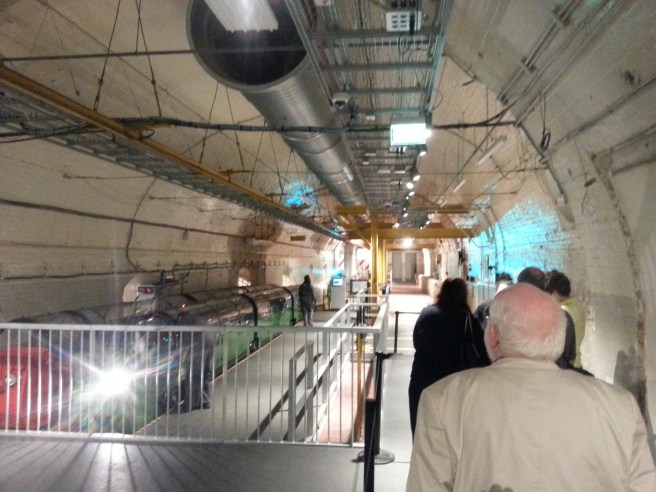
Anyway our first stop for the day was the newly opened Mail Rail and associated museum. Its story can be found here but basically it was the now defunct underground rail system for the Royal Mail which linked the main and huge Mount Pleasant Sorting Office with main line railway stations. Why on earth it hasn’t been updated and expanded is beyond me but our guide said that by 2003 it had been decided that it was uneconomic against diesel lorries. As a logistics man myself I would question that conclusion. Unbelievable! However, it does mean that it is now re-born as a tourist attraction, and one we all enjoyed very much.
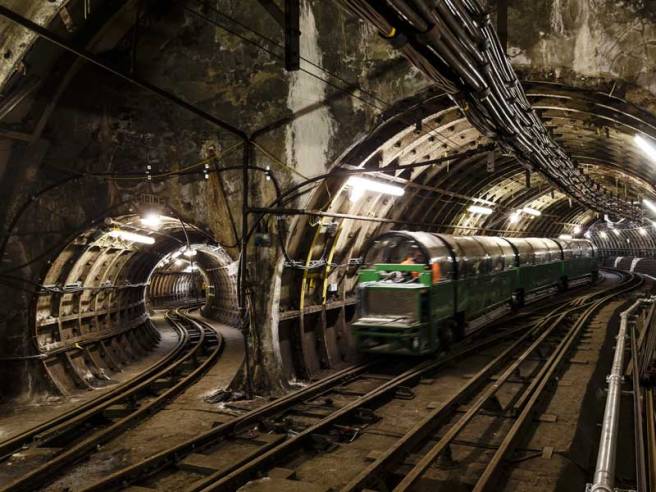
At one or two loading points we stopped and enjoyed a very dramatic history of the system viewed in large screen on the tunnel walls…..
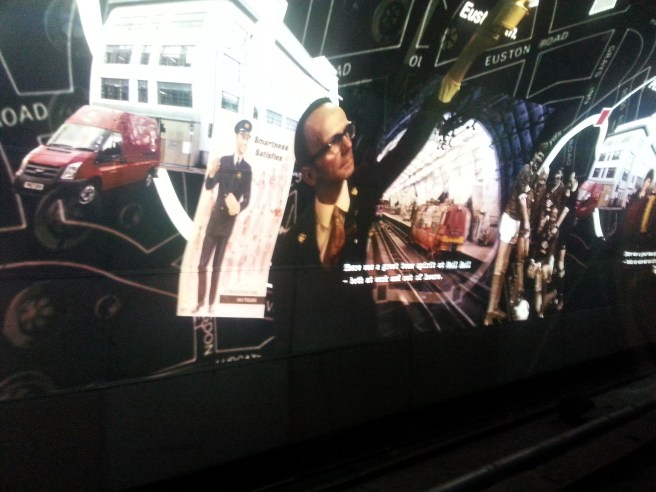
And we learned some very interesting stories about the prototype pneumatic network which was its precursor…
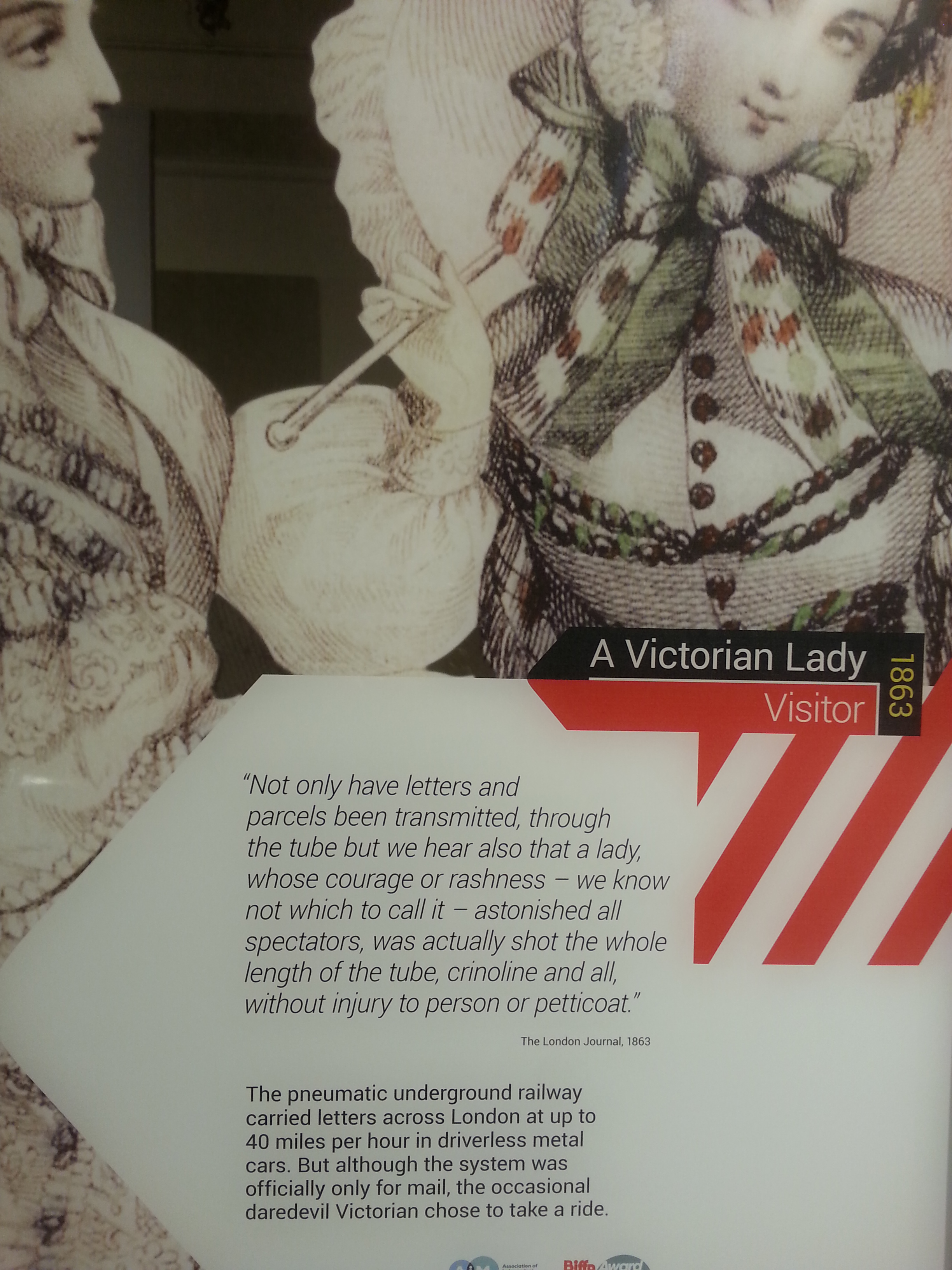
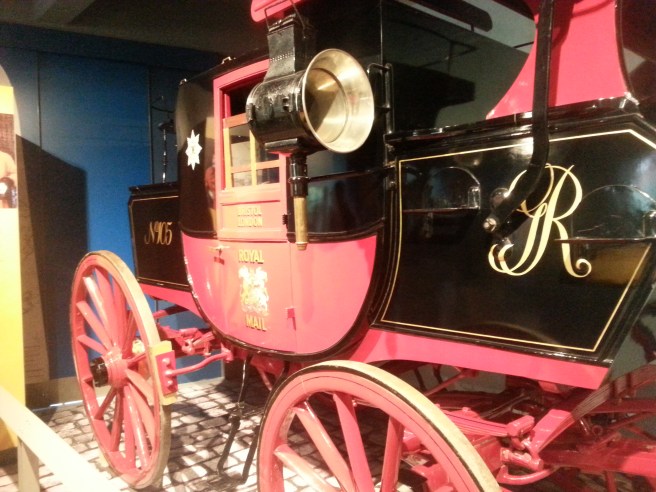
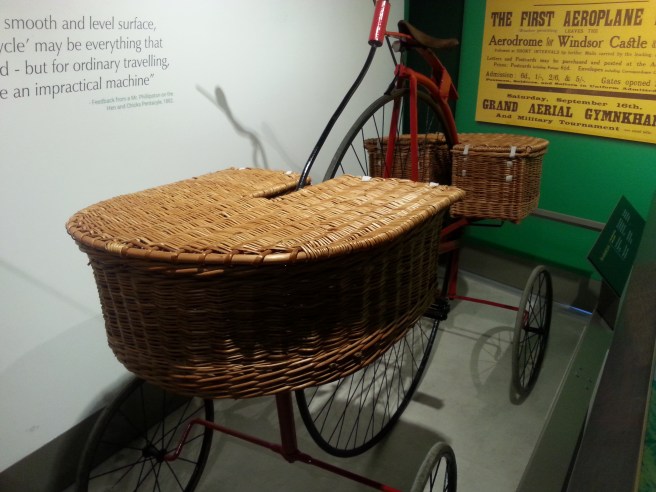
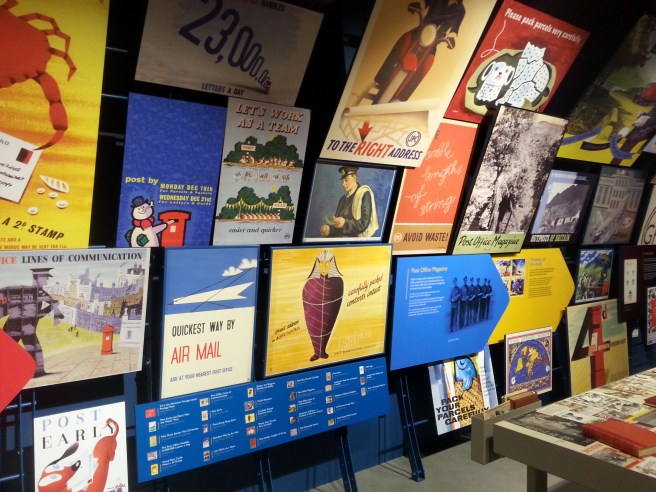
Mention museum and most people think unexciting or worse. The Postal Museum which we visited after our journey was anything but. Full of human interest and social history, and with vivid and exciting displays and films and objects you could spend a long time there.
I suppose Mount Pleasant isn’t the highest class area in London, but I must admit I was surprised to find a throw-back display of cards and telephone numbers in a passing phone box! More appropriate to Soho of the Sixties or Seventies, maybe it should have a place in the museum……

After the mornings work we sought refreshment in a curious but lovely pub The Jerusalem Tavern a re-working of a Georgian building -it has only been licensed premises since 1996, and so is really pastiche. Didn’t detract from our enjoyment though!
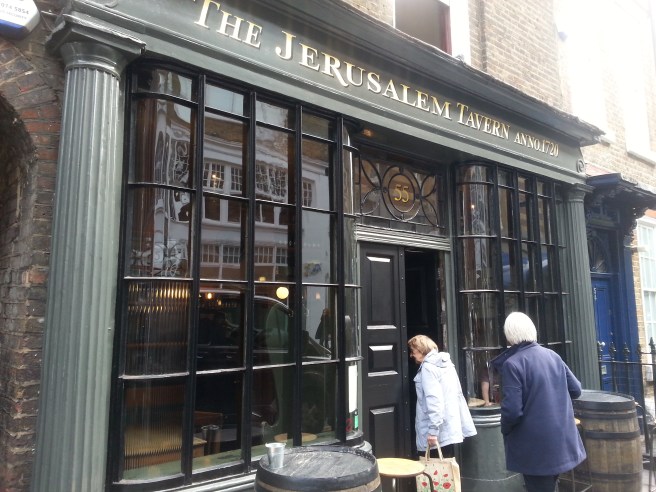

We didn’t just have beers…the sandwiches on artisan bread were fantastic.
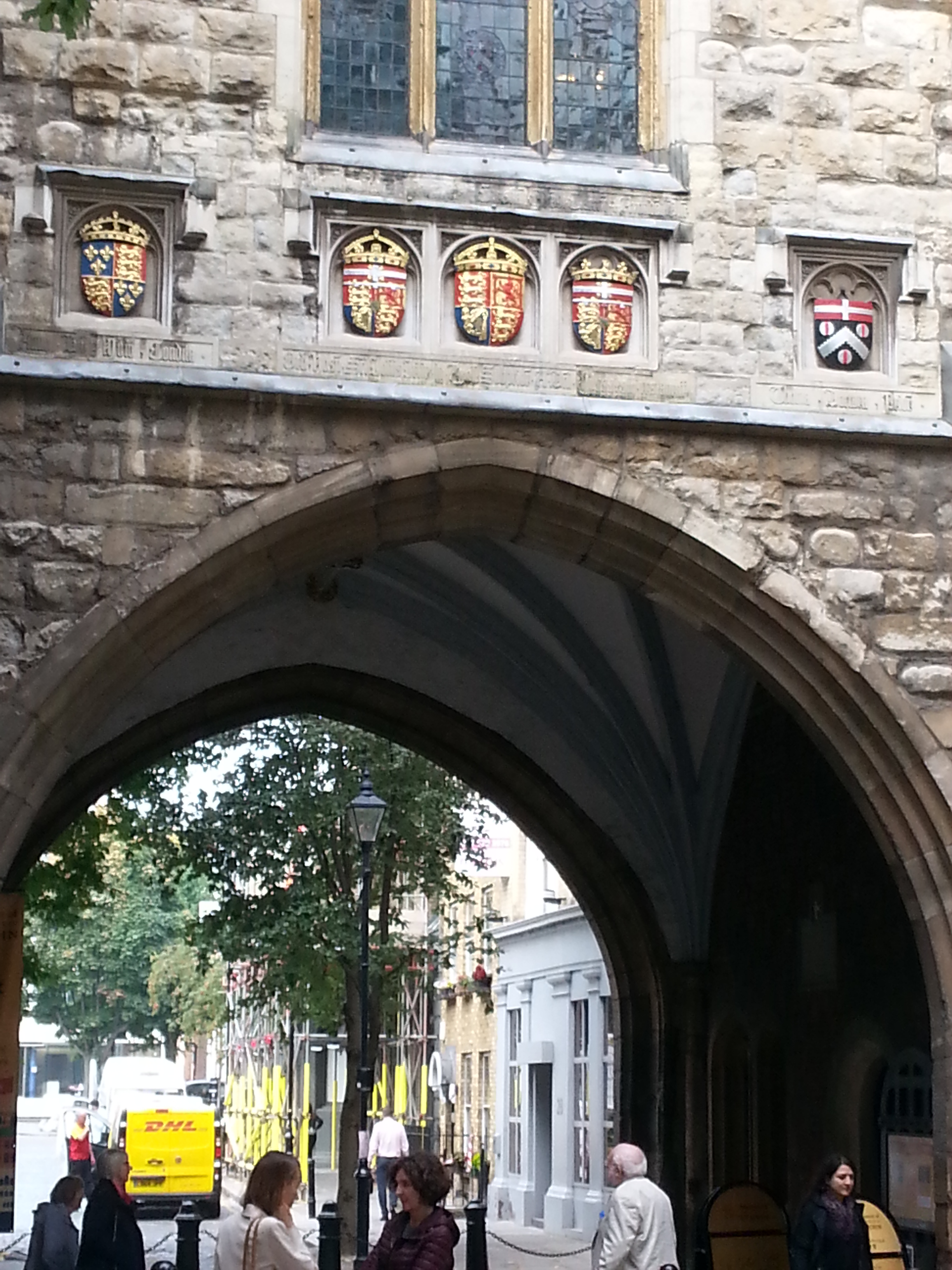
Outside we saw the St John’s Gate further up the street – a little known historic building and one of the few tangible remains from Clerkenwells monastic past; it was built in 1504 by prior Thomas Docwar as the south entrance to the inner precinct of Clerkenwell Priory.
We then had a quick look round Smithfield and St Bart’s Hospital where we were able to  see inside the chapel which is St Bartholomew-the-Less. Lots of monuments to surgeons as you would expect. A rather sad sight was that on one of the monuments where war medals had been built into the display all of the medals had been prised out by some disrespectful idiot leaving just the ribbons. In terms of its history, the Chapel of the Holy Cross established in 1123, moved to the present site in 1184. Henry VIII established it as a parish church in 1547, the parish being the St Barts Hospital site. The entrance, original tower and vestry of the present building are 15th century in origin. The octagonal worship space was originally designed by George Dance the Younger in 1789-91, adapted by Thomas Hardwick in 1823-25 and embellished in 1862-63 by P.C. Hardwick. After suffering bomb damage in the Second World War the repaired church was re-opened in 1957.
Because Malcolm used to be a solicitor, he was able to take us into the Law Society building very impressive and we had a good look at the Library and the Council Chamber etc. I liked the portrait of Lloyd George, he being the only solicitor to have become Prime Minister. We then at my request had a good tour around some of the four Inns of Court beautiful, historic and very like Oxford Colleges with their Halls and Chapels (and pretty gardens).
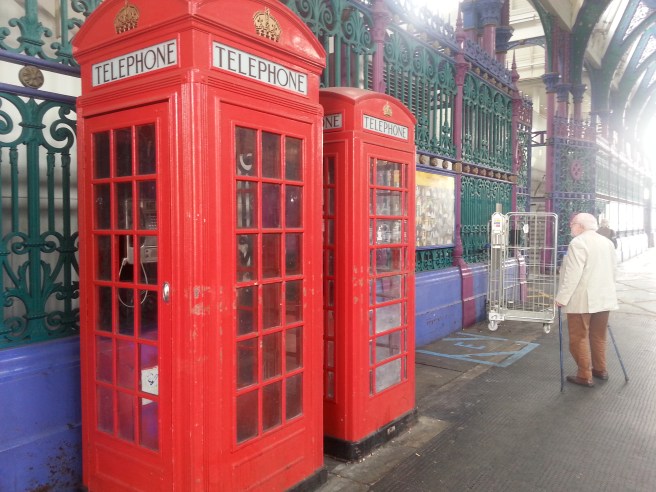
Something we saw quite a lot of today was side-by-side telephone boxes, one larger than the other….His and Hers? My research indicates a K6 and a K2……
A tiring but fulfilling day capped off by a visit to a pub theatre in the evening at the Brockley Jack pub to see a production of Frankenstein….an interesting experience to say the least…..your seats are virtually on the stage.





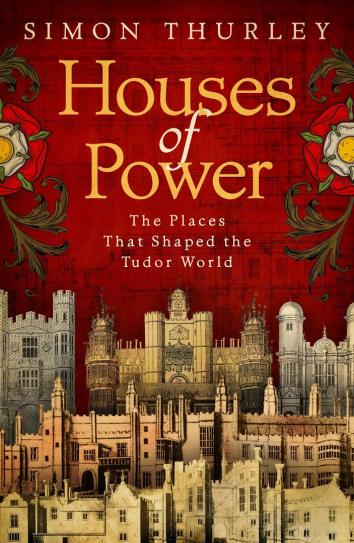 A new hardback book is always something to savour, especially for me a non-fiction one. And this was a sheer pleasure to read. Our guide is the architectural historian Simon Thurley, formerly the chief executive of English Heritage and once the curator of Historic Royal Palaces. As the Times review by De Groot says, he certainly loves his subject, an enthusiasm that steadily bubbles forth from ‘Houses of Power’. The book is about the houses, palaces and castles that the Tudors inherited, built and lived in, and Simon Thurley is just the man to guide us through this novel slant on the life of the Tudors. The reason? Surprisingly little of Tudor Royal buildings survive, so we have here the result of 30 years of meticulous research in the records and the interpretation of archaeological evidence by an expert.
 Riding Quartet is if anything even more frightening than the previous books in the series. All about corruption and perversion of justice in 1970’s and 1980’s Leeds. Could things like this really have happened? David Peace persuades us that this was entirely possible. You really get the feeling that you are living through a horror story and witnessing it happen. David is surely one of the truly great Crime authors of all time. Breathless, voyeuristic, and as I say frightening. Read it if you dare. The TV series based on the novels by Channel 4 was I seem to remember rather brilliant too…I must see if it is still available. Who needs Scandi Noire?
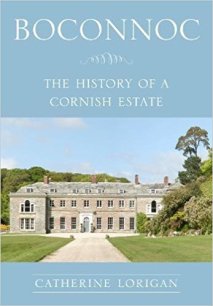 This book was a Birthday present, along with the next two booklets, from our lovely daughter-in-law Jennifer (obtained from our wonderful local bookshop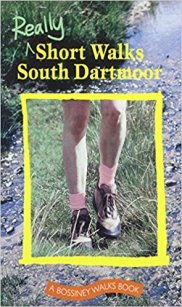


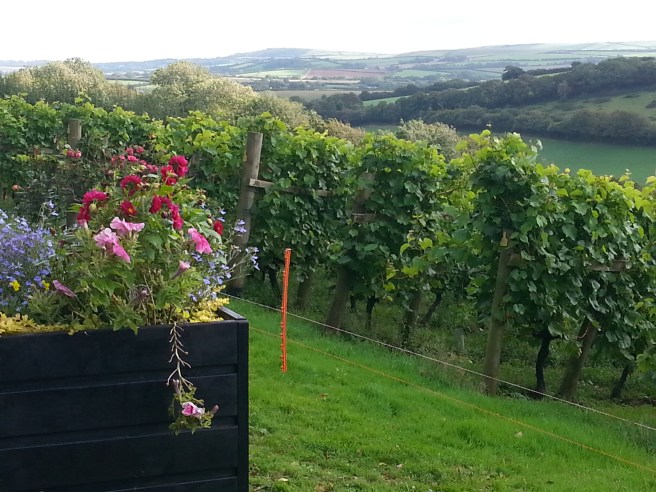
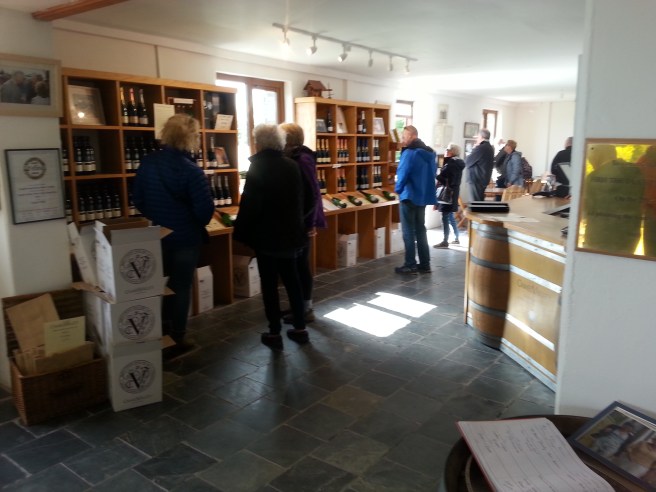
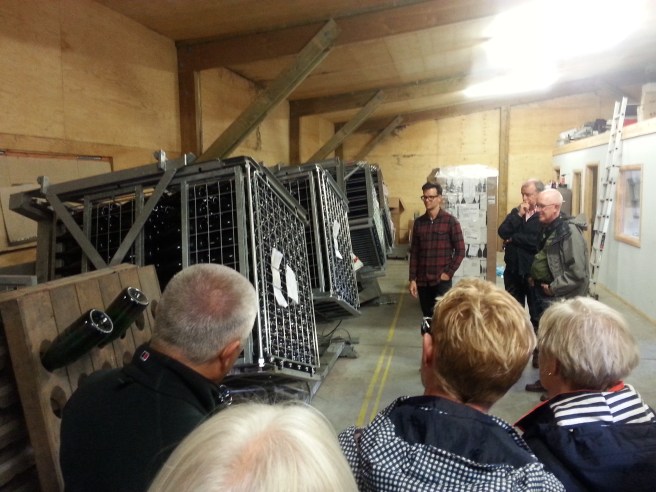
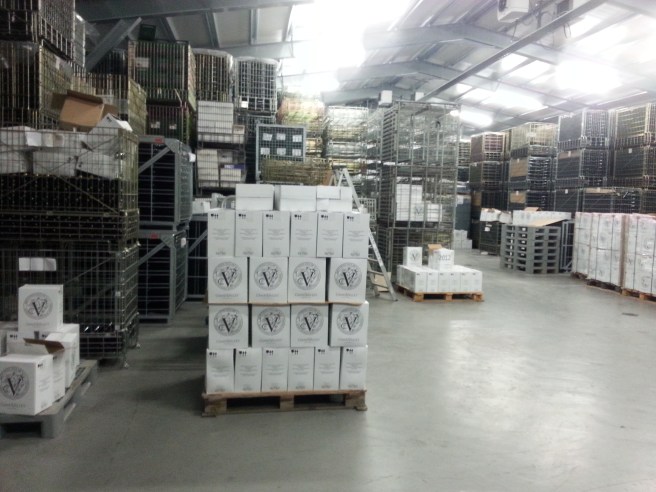
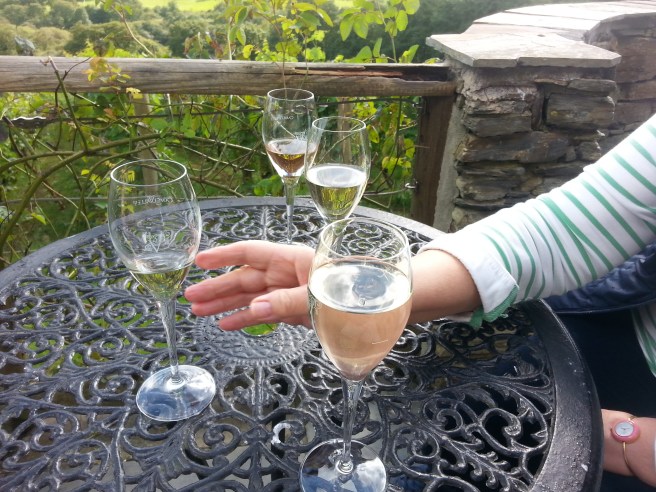
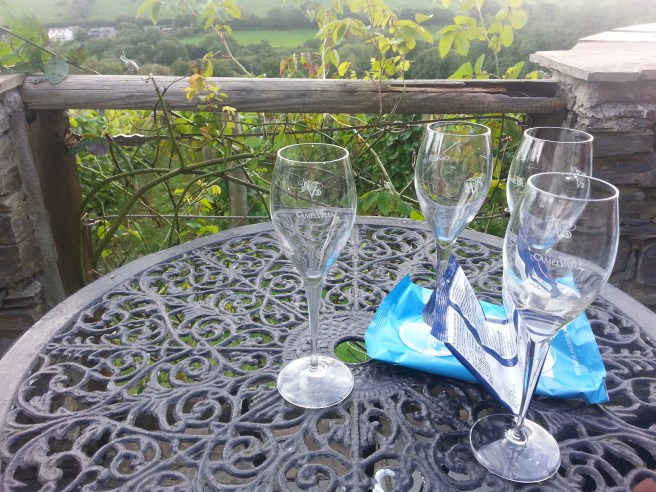
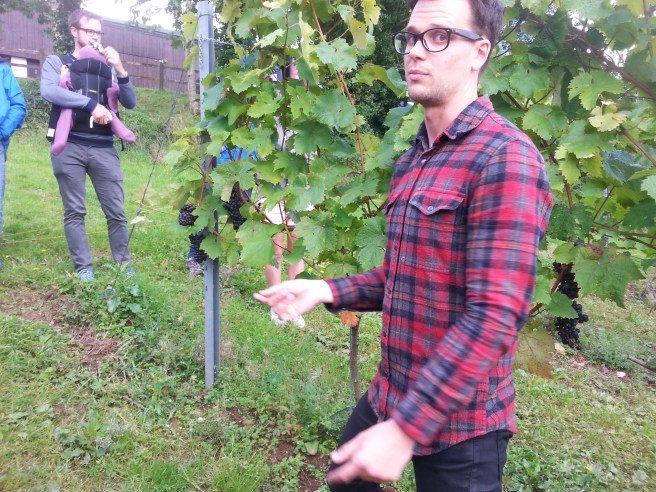 fence to look at the vines themselves and be told about a year in the life of a vineyard…hard work, particularly in November, December! The slopes, which are exactly South-facing, were the lucky break for the sheep-farmer turned amateur wine-maker who started out with no knowledge. Being based on a slate bedrock, the roots which creep down as much as 3 metres give the wine its Cornish authenticity (terroire). There are only about half a dozen grape varieties grown particularly suited to this area, and they result in a bottle list of about a dozen wines (one being exclusively for Raymond Blanc). We all jumped out of our skins when the regular animal-scaring shots went off, and retreated into the manufacturing and warehouse facility.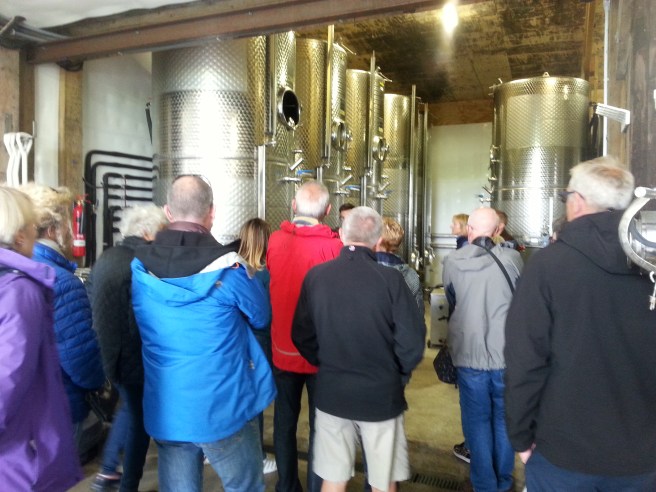

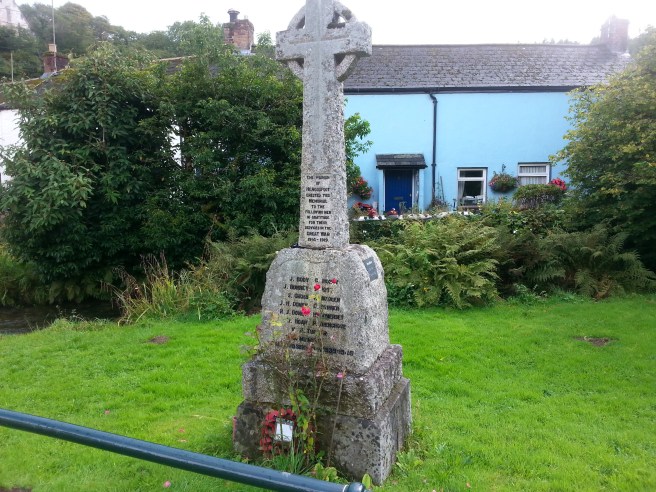
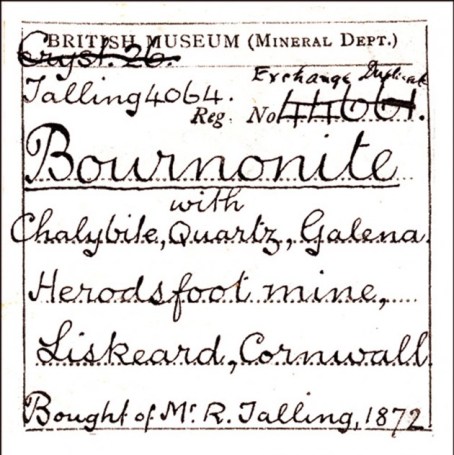 One interesting by-product of the mining is revealed in MyCornwall….’Lead and silver weren’t the only treasures found at Herodsfoot. During the 1850s and 1860s the village was visited by Richard Talling, the esteemed mineralogist born at nearby Lostwithiel in 1820. Talling began his living as an apprentice shoemaker but developed a passion for minerals, and for much of his life ran an emporium in Lostwithiel where he sold his samples. He travelled widely in search of new specimens but discovered two unique minerals locally, exposed by Herodsfoot’s probing mines: bournonite, a sulphide of lead, copper and antimony; and tetrahedrite, a sulphide of copper, iron and antimony which also sometimes contains silver.
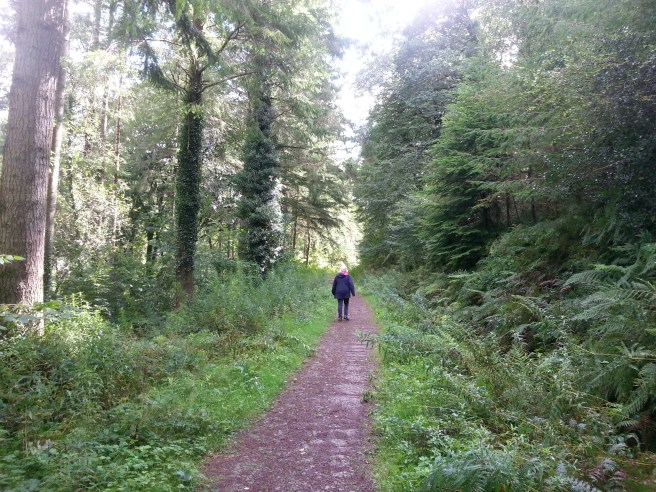
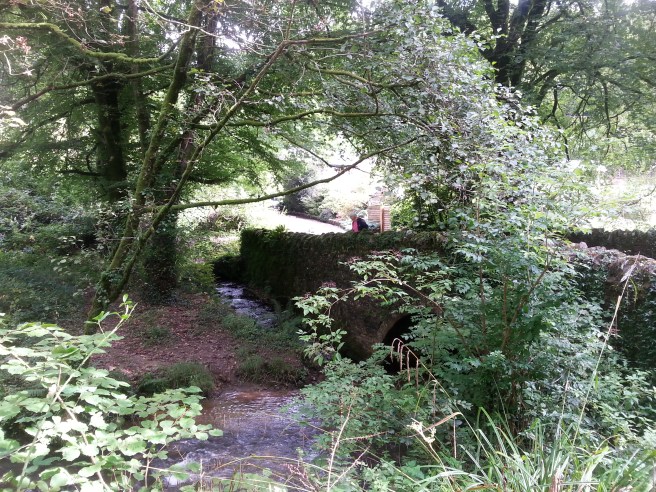
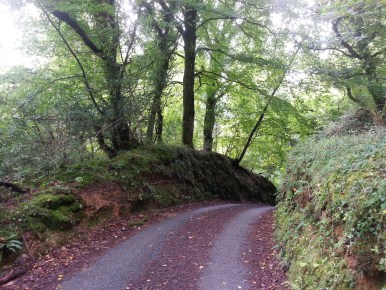 Our way back was now at a low level accompanying the river – partly on one of Cornwall’s many roads without traffic, partly on a track through the woods. I managed for once to take a photo of a butterfly ( a red admiral) without it flying off on my approach. Mind you these are known as a people-friendly breed as they land on people quite often…..
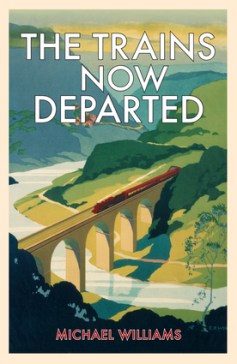 about a lot of what we have lost described in 16 different thematic chapters. One for instance is entitled ‘Last Call For The Dining Car’ and bemoans the loss of crisp tablecloths, silver service, and six-course gourmet meals amongst other things. Astonishingly even at the close of the nationalised era in 1994 there were 249 trains a day with dining cars open to both first- and standard-class passengers. Now they don’t need counting. Interestingly, it is on ‘our’ line – the GWR from Paddington to Penzance – that the best survives. Here is the author Michael Williams relishing the service on The Cornishman….’by Slough I am tucking into a proper cheese shuffle, a rarity in a restaurant these days let alone on a train; curiously the last time I enjoyed it as much was at The Garrick Club. At Reading I’m selecting from a menu including ‘Silver Mullet with Roasted Garlic’ and ‘Grilled Somerset Fillet Steak’. By Exeter I’m wondering if I can squeeze in the ‘Chocolate and Salted Caramel Pudding’ as well as the “Artisan Cheese Selection with Quince Jelly’. As we pass along the coast at Dawlish, one of the most sublime views from any railway carriage in the world, I’m…….’ We really must try to book this as a treat some time. Have a look at
 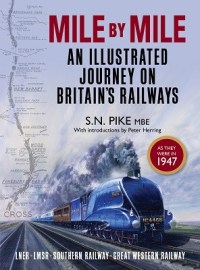 The other book which I couldn’t resist buying was ‘Mile By Mile : An Illustrated Journey On Britain’s Railways’ doing what it says – describing what you will see on the rail network (in 1947). It is fascinating, and I really must take this with me when we travel soon to London on the train to see how much things have changed. Nostalgic and full of memorable photos of the railway scene in those years. I will also use it more locally…here for instance is the entry on passing Menheniot which is ver near here but which we have never visited…’The pretty village of Menheniot has a fine medieval church whee William of Wykham was once incumbent. just after Menheniot, off to the right can be seen wonderful views of Dartmoor. Those with a keen eye may make out the Cheesewring the creation of this pile of stones has been attributed to giants but it was actually a geographical formation which created this unearthly stack of stones in this windswept place…..’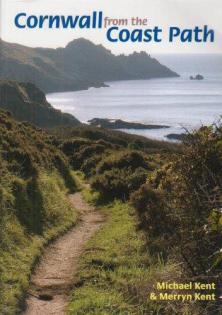
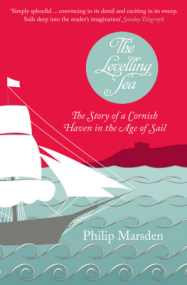 Since we visited Falmouth recently I decided to re-read ‘The Levelling Sea’ by Philip Marsden. I am so glad I did. It is both instructive, entertaining and even inspiring. Philip has great empathy with the sea himself and is always fully aware of its potential and dangers. He skilfully shows how location, and a series of amazing characters through the ages, led to the important role Falmouth played in the national story and, as a good historian, he pushes us along in a whirlwind of discovery and interest whilst always basing his breathtaking story on serious research. One of the very best books on local history without any doubt.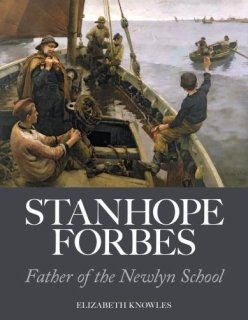
 Bedtime recently has been ‘Last Tango In Aberystwyth’ by Malcolm Pryce, the second in the series of comic crime noir novels set in the town which Malcolm must know so well (he wrote this particular novel in Bangkok). He writes in the style of Raymond Chandler and has been labelled “the king of Welsh noir”.
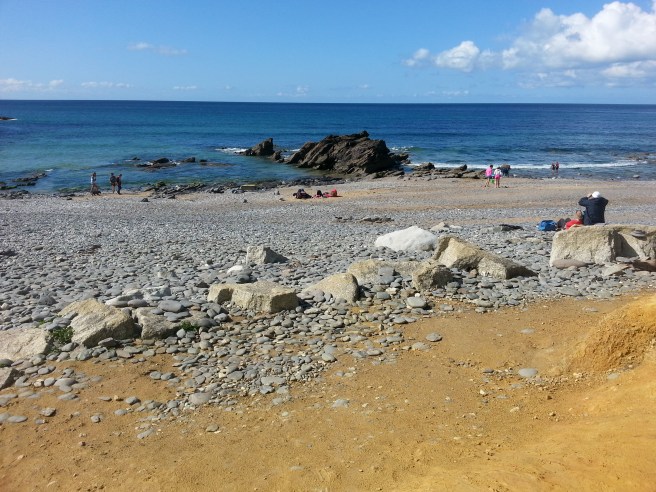
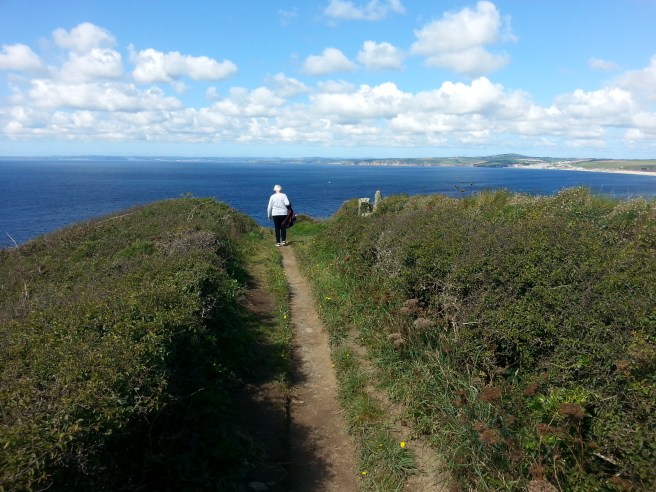
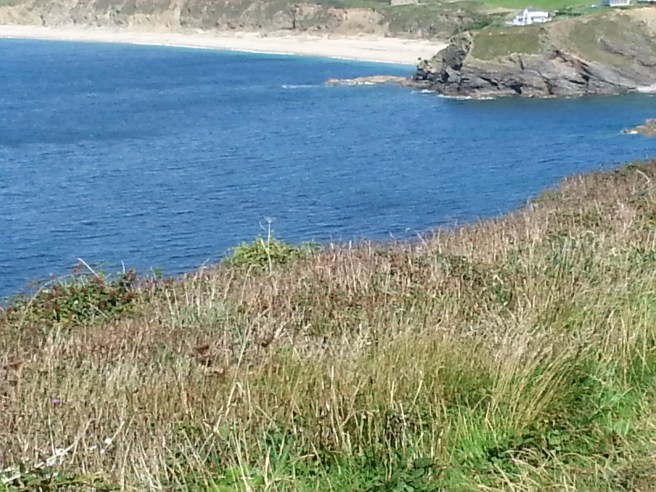
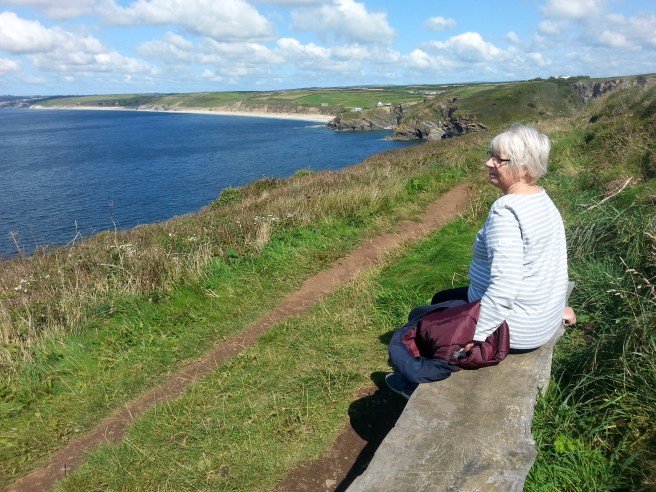
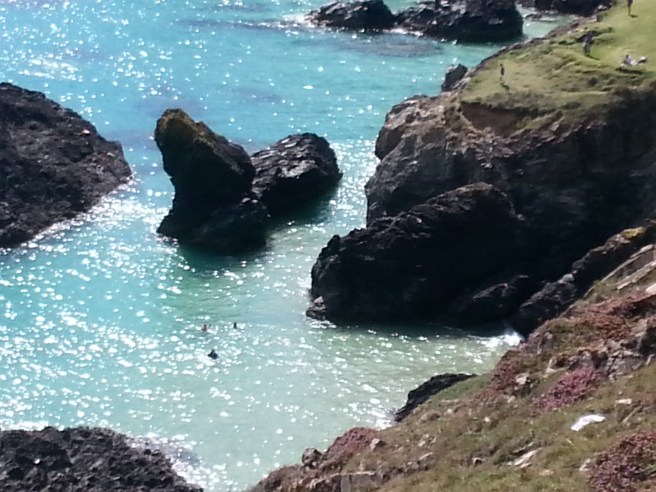
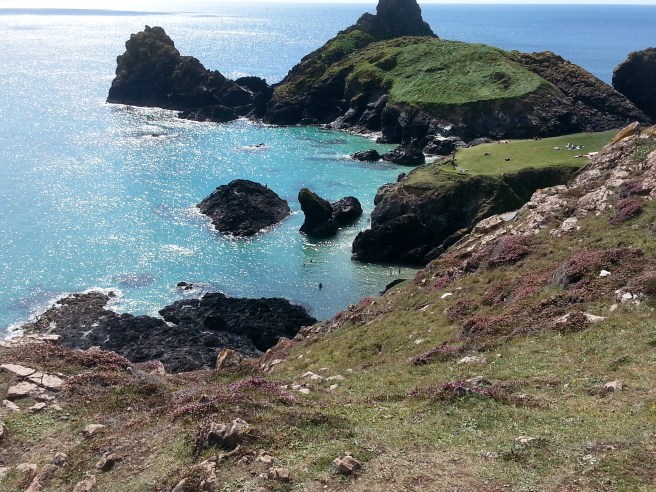
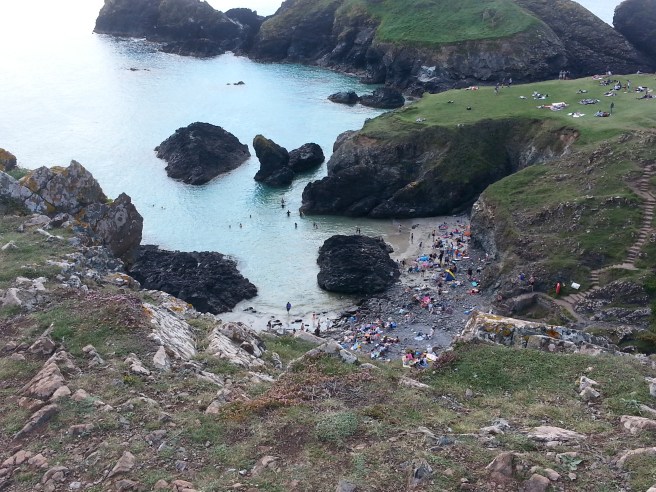
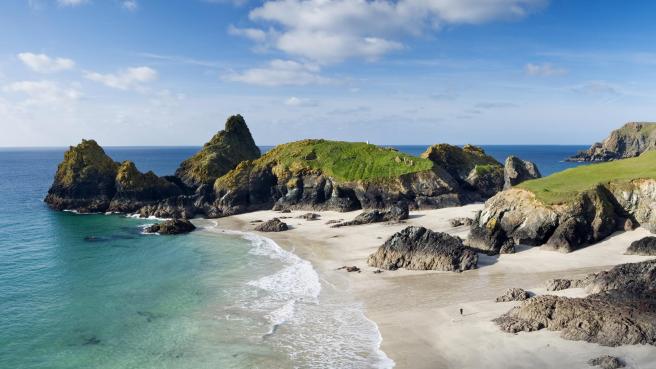
 There were a large number of secret coves as we made our way to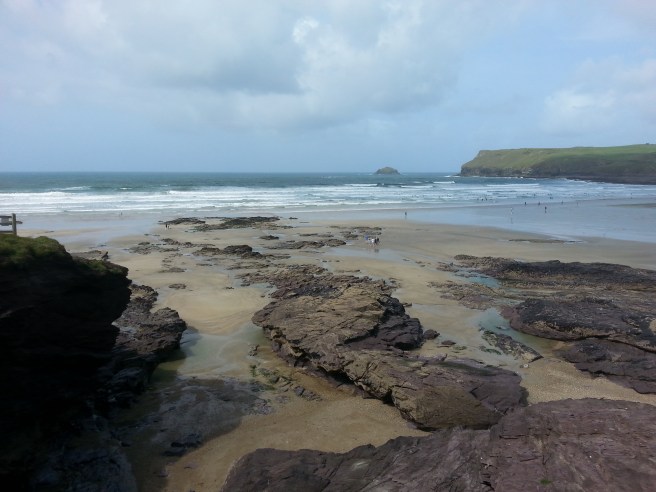

 Inn at



 Enjoying Cornwall...
