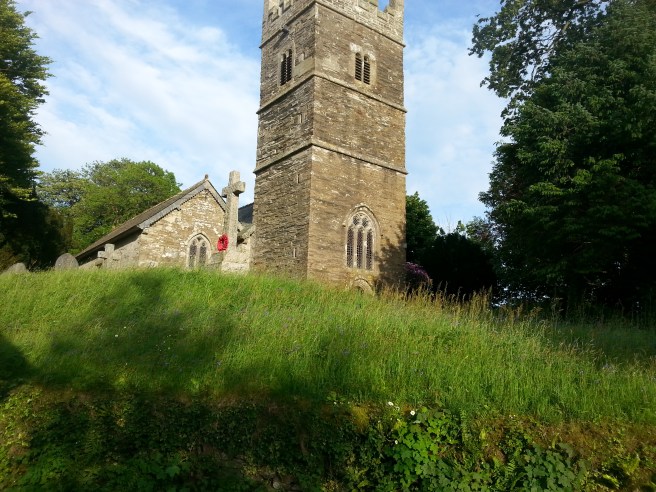
This is our village church. Locked most of the time, we have visited to hear the Polperro Fishermens’ Choir, and now know it tends to be open on a Saturday. This is the entry in Cornwall Historic Churches Trust..
‘The Church of St. Keyne is located on high ground at the southern extremity of the village of St. Keyne within the parish of the same name, the second smallest in Cornwall. The parish lies on the edge of the Looe valley between the parishes of Liskeard (to the north and east) and Duloe (to the south and west).
St Kayne seems to be the most ancient spelling, but Kaine, Keane, Kean and Keyne, have also been used. St. Keyne is noted in 12th century Welsh sources as being one of the children of King Brychan of Brecon in Wales. Her brother Berwin is noted as being in Cornwall and may be St Barry of Fowey. Such legends were used to explain the repetition of saints’ names in the Celtic areas of Britain: Devon, Cornwall and Wales and there is a more Cornish version of the Children of Brychan which does not include St Keyne.
According to another legend, St. Keyne is said to have lived like a hermit and visited St. Michael’s Mount, which coincidentally is the only parish smaller than St. Keyne in the county of Cornwall. She is also said to be responsible for the construction of St. Keyne’s well, situated just outside the village, which was the old baptismal well. It is famed for its ability to ensure that the first of a newly-wed couple to drink the water will become the dominant partner.
The hood moulding over the door in the porch of the present church building indicates that a Norman church stood at St. Keyne. The building appears to be mainly constructed in the 15th or early 16th century as indicated by the Cornish standard granite piers, the font and one of the bells, although the north aisle west window may date from a little earlier. The tower windows look early 16th century and the tower is built in the typical Cornish pattern of three stages, but the stages are uneven; the first stage being half the height of the tower, less pinnacles.
In the 16th Century the whole parish was one manor, Lametton, which at times has also been the name of the parish. In the 16th Century the manor was owned by the Coplestone family, but in 1561 John Coplestone was forced to sell 13 of his manors to buy a royal pardon for murdering a son and godson. This was sold to the Harrises of Mount Radford in Devon (One Harris was MP for Liskeard in 1661), who married a daughter of the Rashleighs of Menabilly. In 1911 the estate was sold in lots at Webb’s Hotel in Liskeard.
Throughout the first 20 years of the 19th century the church was consistently recorded by successive Rural Deans as being ‘out of repair’. Minor improvements were attempted but, by the 1860s, it was noted that the church was neglected and out of repair, and a substantial restoration was undertaken by J P St Aubyn between 1872-1878.
Today the church consists of the chancel, the nave, short north aisle, south transept or vestry, porch and west tower. St. Keyne parish is linked to the market town of Liskeard and the fishing and tourism centre of Looe by the B3254. The church serves the population of St Keyne parish (505 in the year 2,000) & the Trewidland area of Liskeard parish (345 in 2,000)’. More architectural info can be found at Historic England
The Parish Plan for 2005 contains lots of useful information about St Keyne. We also have a vineyard in St Keyne which we intend to visit..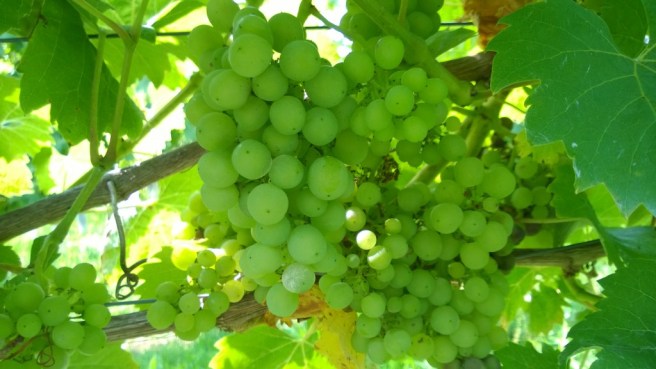
and the station (recently visited by Paul Merton in his small stations series) is dinky..we are lucky to have it for access on the scenic Looe Valley Line.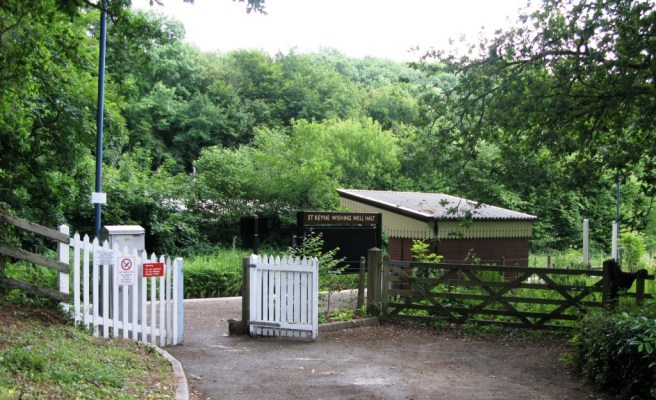

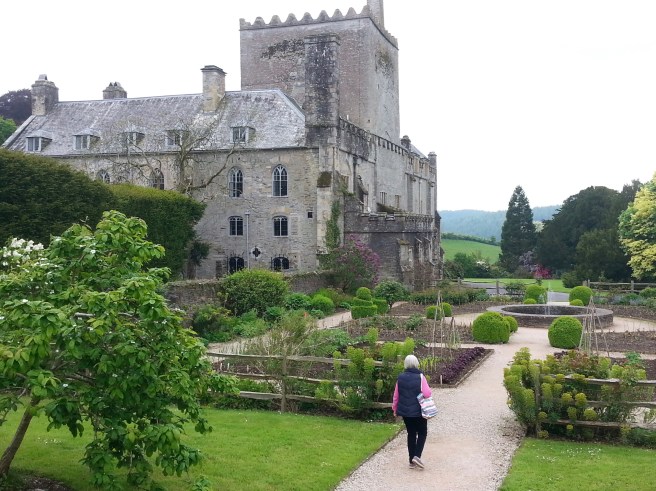 Over the border today to the NT property
 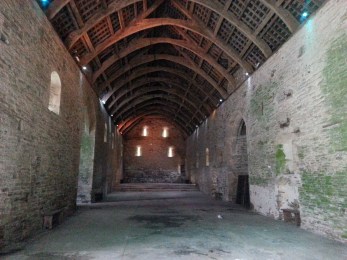 1940’s. A very full description of the buildings and their history is given at
 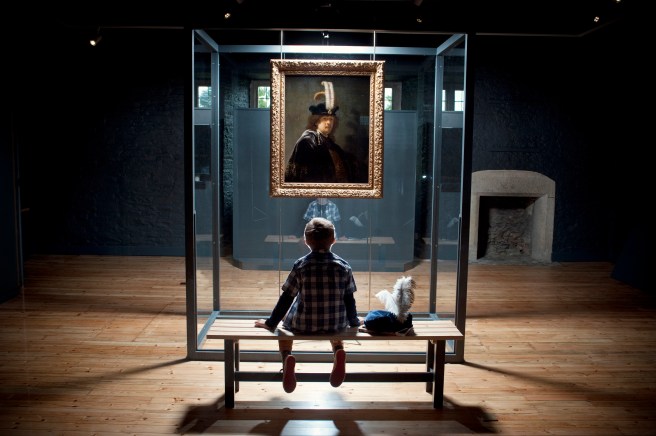 “Previously thought to be ‘school of Rembrandt’, Ernst van de Wetering, the world’s leading Rembrandt expert, concluded that the painting may well be a genuine after seeing it again in 2012. His assurance led the NT to send the painting away for further scientific analysis.
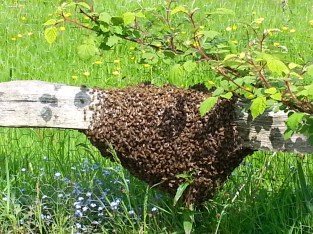 wrapping themselves around a fence. I didn’t want to get too close to take the photo! All in all a most pleasurable day.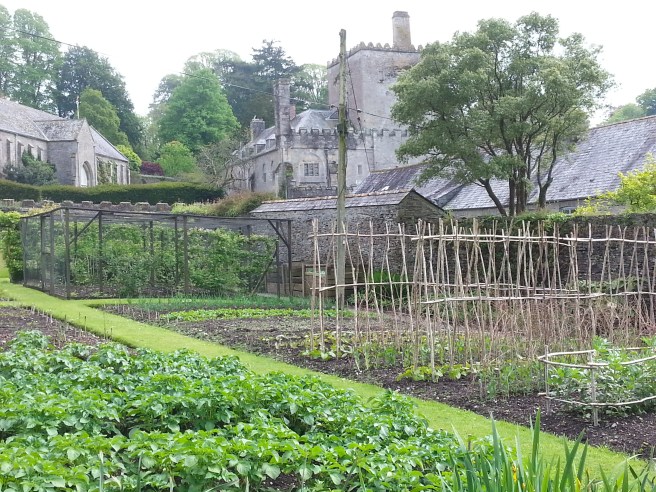
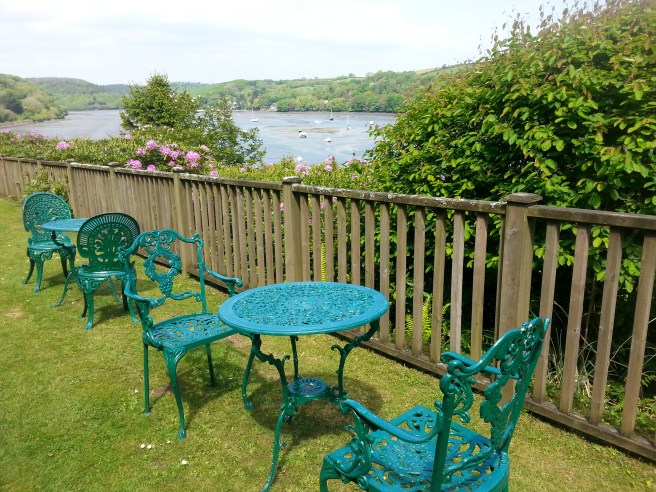 A lovely sunny day, so after walking around Fowey we moved up-river to the little coastal hamlet of Golant where we shall shortly hire kayaks. We checked out the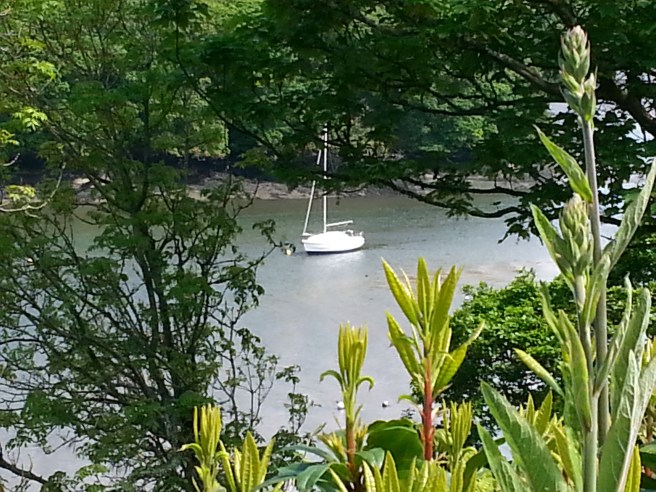
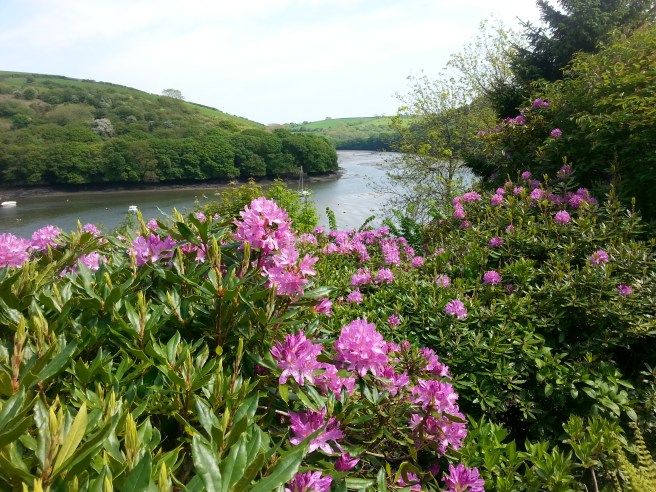
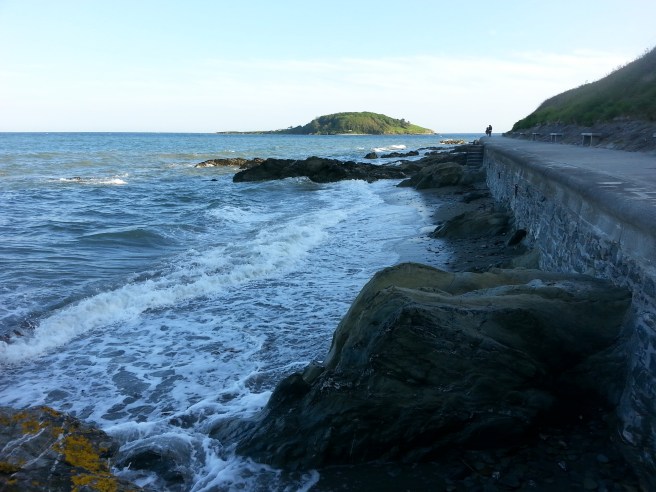
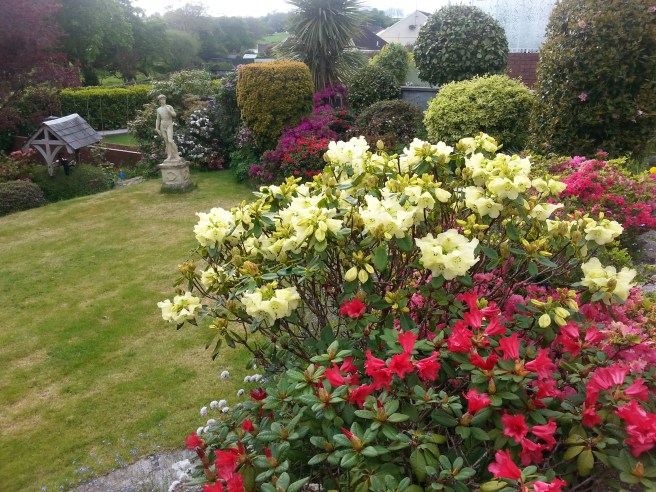
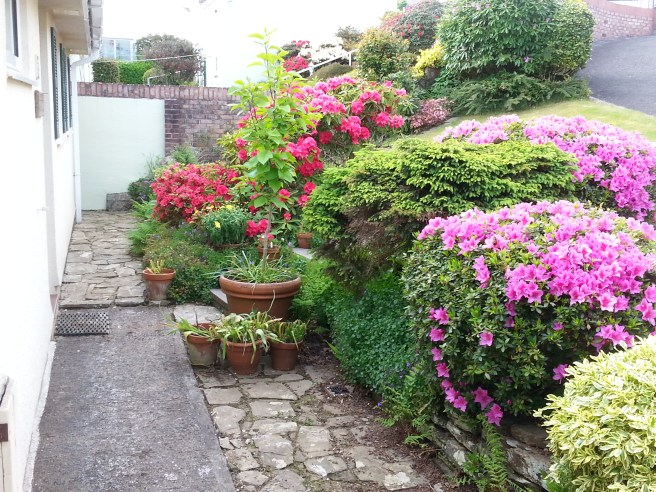
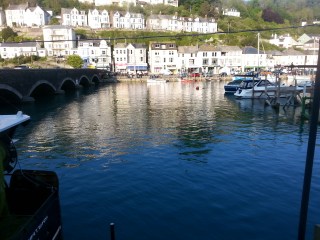 dog walkers though as it is one of few dog-friendly beaches around Looe. Occasionally we stop to talk, on one occasion to a 90 year old who did his service in wooden huts on Bodmin Moor just as Alan Bennett did in the book I have been reading. They both learned Russian there too! There is a large hotel in Hannafore which attracts coach trips especially from Wales (we are always hearing Welsh accents), a Bowling Club, a kiosk and a nice cafe, and apart from that just expensive houses with enviable views! Back at home we relax in the garden which is really coming into its own now…..the profuse amount of Spring flowers in the banks and hedges may have come to an end now but the green lanes and surrounding countryside look very ‘English’.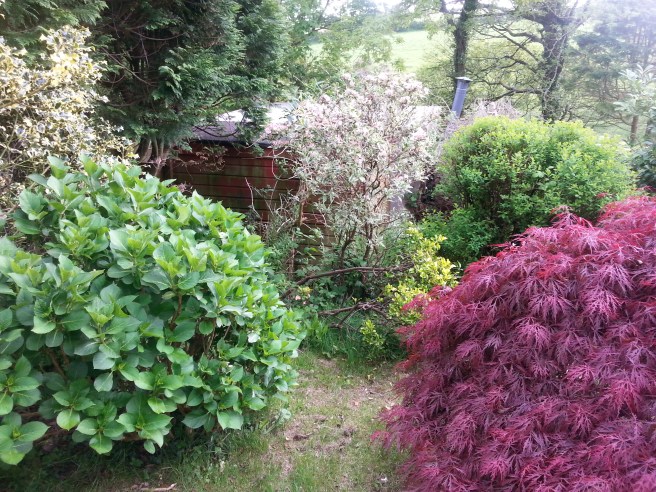
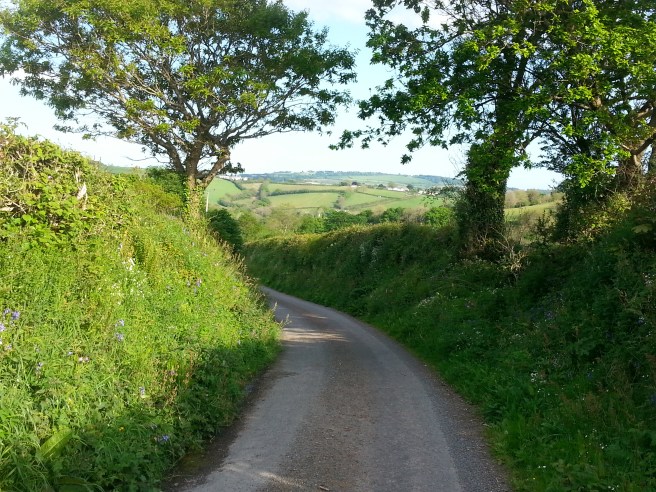
 Having looked at the local map Explorer 107, we did a short walk in the woods below
 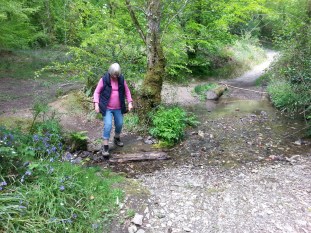 were out dog walking, we walked through Tremedart wood, down to the stream, crossed into Penquite wood and back along the opposite side of the stream in Lantundle wood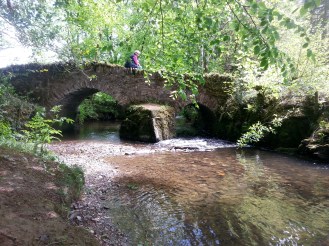
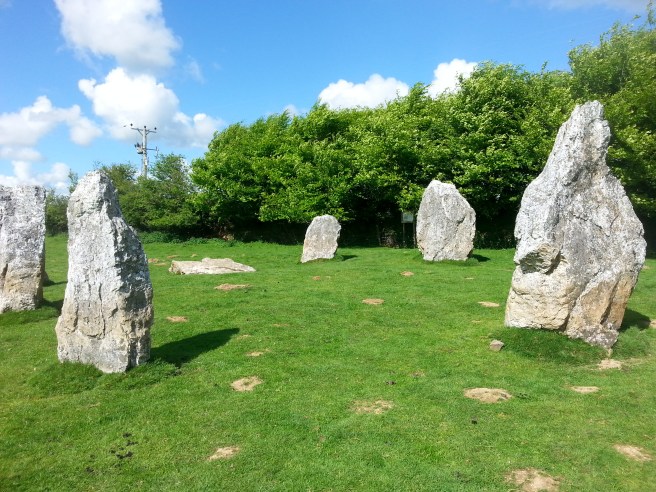
 . There is a very pretty walk from the one to the other. However, one thing you pass on the way is the memorial to the
 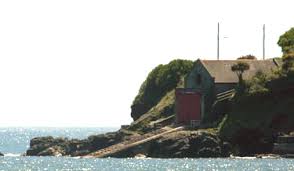 ‘On 19th December 1981, in average winds of 80 miles per hour, the Union Star, a Dublin-registered coaster, making its maiden voyage to Holland with a cargo of fertiliser, and an RNLI Lifeboat, Solomon Browne, were lost at Penlee Point with all hands. 8 Mousehole men were lost, which had a huge impact on a population which is still, to this day, only around 500.
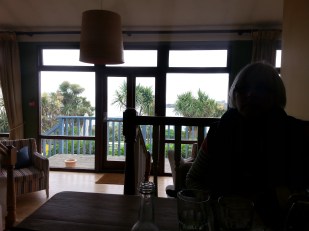 There is another of Cornwall’s excellent hotels in Mousehole –
 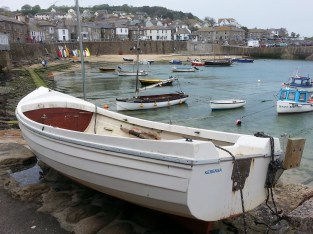 loveliest village in England’…..impossible to argue with the great man. The bus just about manages to get into the narrow streets of the village, and that is how we returned to Penzance, where we wandered around the shops for a while and had a cup of tea in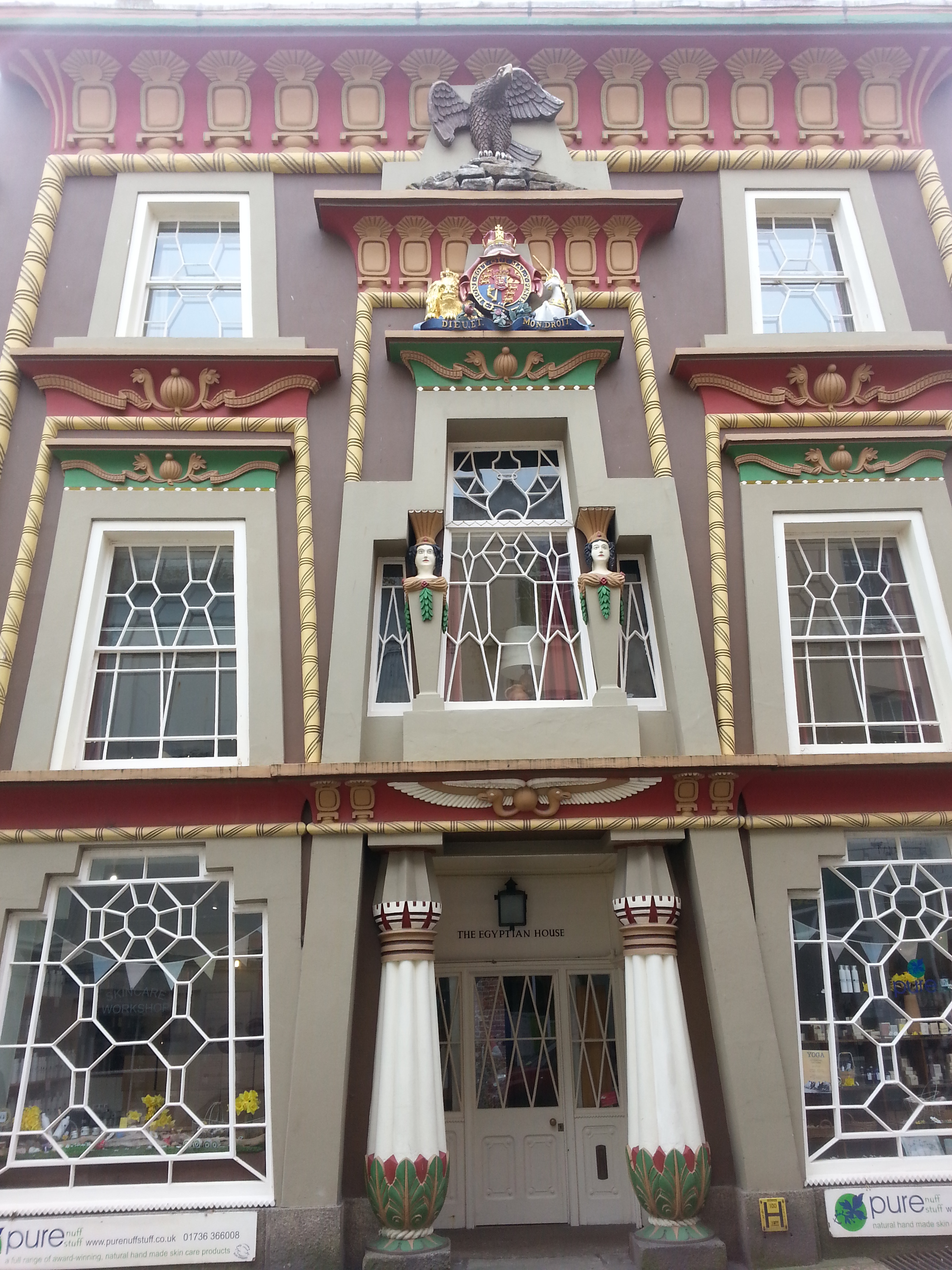

 people involved. The weather didn’t stop the races around a course just outside Looe harbour marked out with buoys…these take place every week in Summer. The end of our regular walk sees us opposite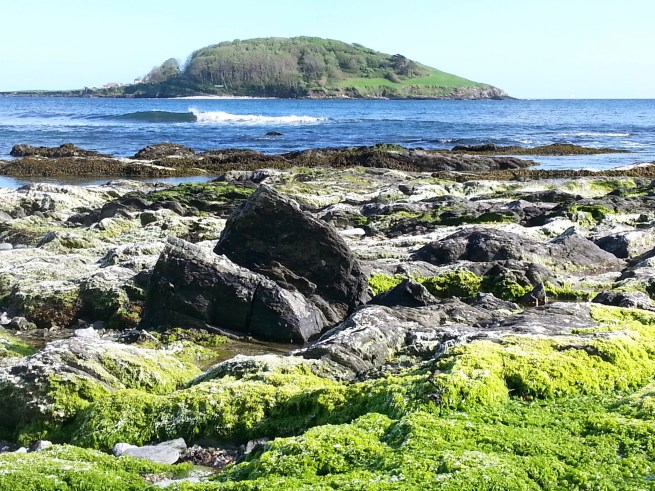
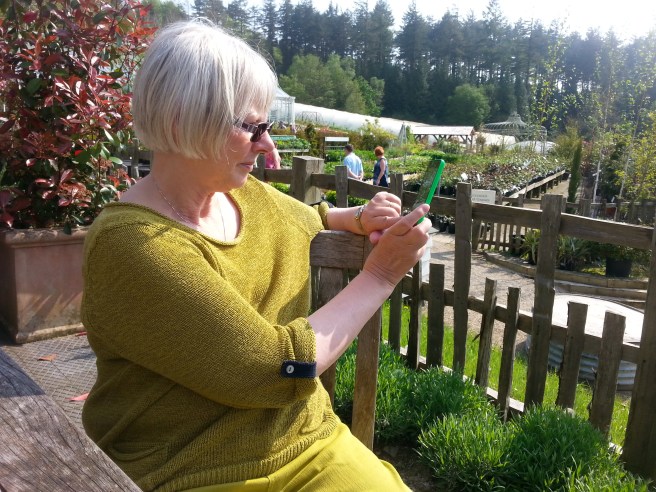 Visited today The Duchy Nursery and Garden Centre. In the middle of lovely countryside, with a brilliant cafe and quality selection of plants, if you sit out on the terrace there is a wonderful view across the valley to Restormel castle perched on its hill like a fairytale castle. On another occasion, when cold, we sat inside the cafe on a large sofa in front of a roaring log fire. Brilliant! And of course we couldn’t get away without purchases….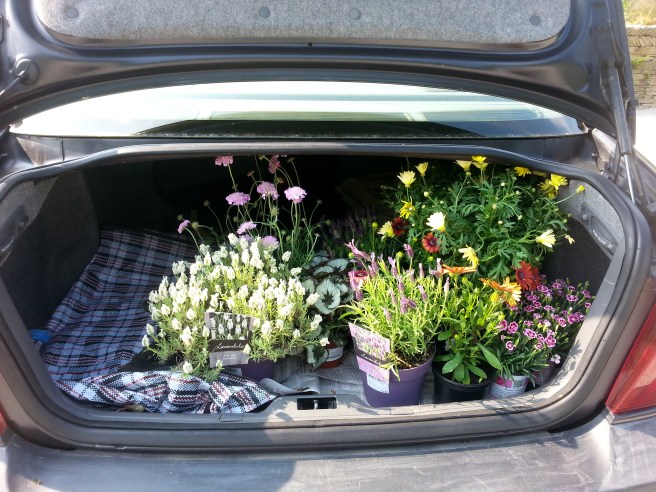
 Well the date is Monday 9th May and no entries for the past couple of months because….we have been emptying boxes, visiting the tip, taking about 50+ boxes of books and miscellaneous items to BHF, planning our new kitchen, seeing workmen, suppliers, etc, getting the house in order and gardening to name just some things. Not a great deal of reading but as far as I can
  remember two large Rumpole Omnibuses (very very funny and very very good, they were certainly worth the re-read) and ‘Death Under A Tuscan Sun’ by Guitarri ex Head of Florence Police and a guy who knows what he is talking about (well hopefully anyway). I pushed Giuttari right from the start in our
 bookshops and he has lived up to expectations up until now….this sadly wasn’t him at his best….the whole thing felt rather tired and lacklustre and badly put together. Apart from that I have tended to read things which help us explore our local
 Enjoying Cornwall...