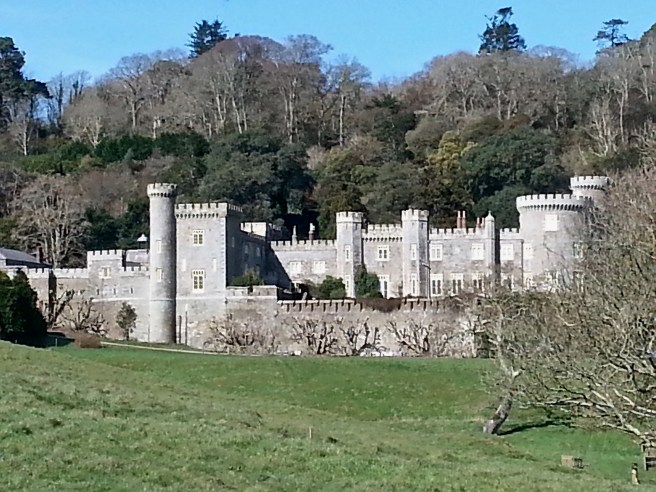
Using our HHA cards we drove past St Austell towards Roseland and visited Caerhays Castle. Apparently you can only use the card here for either the house or the gardens…a bit of a cheap gesture I would have thought. First impressions were amazing. You have to park by the beach and walk up a drive past the lake, and the view of the castle is indeed spectacular. This drive is just really the tradesmen’s entrance as the main drive is on the other side of the castle and is a mile long. Anyway we booked a tour of the house and in fact it was the very first of the season. The guides were very good and we had our introduction outside in the sunshine by the porte-cochere, before entering the hall.
Unfortunately, but understandably, as it is a private home and very much lived in, no photos of the interior. And indeed looking on the net, I could find nothing except the following shots on a restoration builder’s website. I sneak these in here…..
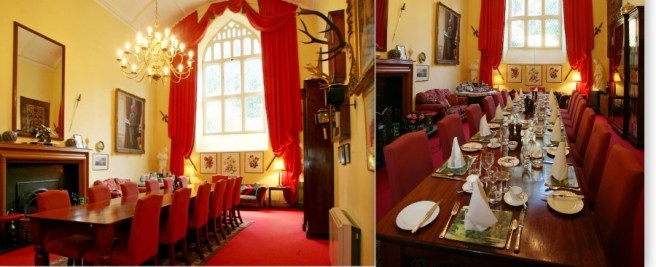
What was striking was that although of course the castle looks as a castle should externally, inside there are only a handful of rooms and on a reasonably intimate scale. There are more private rooms and bedrooms which we didn’t see, but nevertheless a liveable interior.
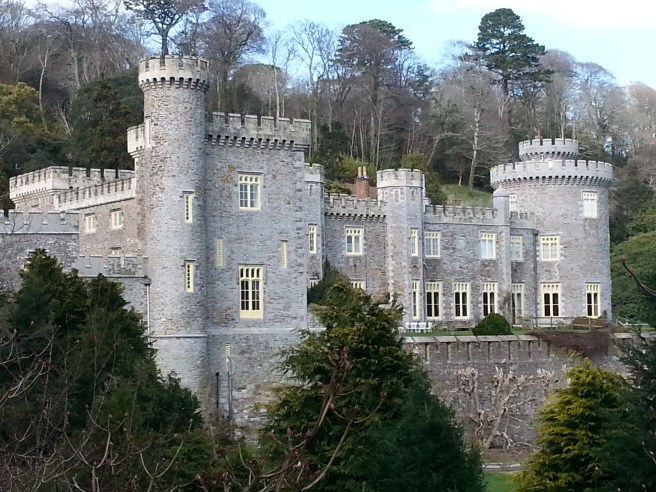 The history of the buildings is not generally reviewed anywhere, but the potted history of the owners is on Historic England………..
‘In the early medieval period the manor of Caerhays belonged to the Arundell family, passing by marriage c 1379 to the Trevanion family, with whom it remained in direct succession until 1767. John Trevanion, who inherited the estate in 1703, improved an existing house and developed gardens, thus creating ‘a pleasant romantic seat’ (Lake 1867). When William Trevanion died in 1767 the male line of the family became extinct, and the estate passed to his sister’s son, John Bettesworth, whose son adopted the additional name of Trevanion when he inherited Caerhays in 1801. John Bettesworth Trevanion commissioned John Nash (1752-1835) to build a new house in 1807. It is possible that at the same period Humphry Repton (1752-1818) may have advised on the development of the grounds; correspondence from Mr Pole-Carew of Antony, Cornwall (qv) suggests that he had introduced Repton to Trevanion, but there is no further documentary evidence relating to this possible connection (Stroud 1962), and contemporary descriptions do not refer to Repton’s involvement here. Partly as a result of the escalating cost of building the new mansion, the Trevanions found themselves in increasingly straightened financial circumstances, and in 1840 the family departed for Paris leaving the estate in the hands of creditors who offered it for sale in 1842. It failed to sell, and was again offered for sale in 1852 before finally being purchased in 1853 by Michael Williams, a wealthy banker, mine owner, and iron master of Scorrier and Burncoose. Michael Williams undertook the repair and improvement of the house and made significant changes to the pleasure grounds which are recorded on a plan of 1858 (private collection), the year of his death. Michael Williams was succeeded by his son, John Michael, who continued the improvement of the grounds. J M Williams died in 1880 and was succeeded by his son, John Charles, who c 1885 began the woodland garden for which Caerhays has been noted in the C20. In the late C19 and early C20 J C Williams supported expeditions by E H Wilson (1876-1930) and George Forrest (1873-1932), which provided new introductions which were planted at Caerhays; J C Williams was also undertook significant work hybridising camellias, rhododendrons, and daffodils at Caerhays.
J C Williams died in 1939 and was succeeded by his son Charles, who continued to hybridise rhododendrons and who managed, despite a busy political career as MP for Torquay and Deputy Chairman of Ways and Means during the Second World War, to maintain the gardens during the war. Following Charles Williams’ death in 1955 the estate passed to his nephew, F Julian Williams who has overseen the restoration of the gardens in the late C20.’ Julian is still around though ancient, and a son has now taken up the reigns and doing all the usual things, visits, weddings, shoots, selling caerhays as a film location etc etc
What Historic England doesn’t really make clear is that it was actually the extravagance of Nash which led to the downfall of a dynasty! Nash must have thought he was onto yet another good thing (he designed Brighton Pavilion of course for the Prince Regent). And he was sacked by the Trevanions – but too late.
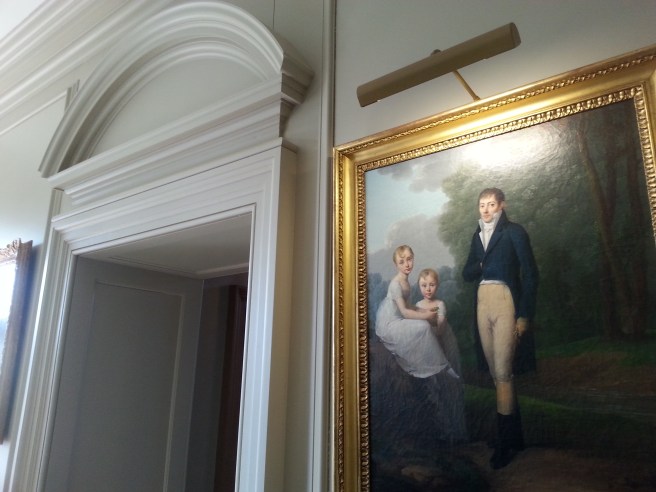
Going back to our tour, a lot of the furnishings and paintings have been bought by the present generation and so there are the usual Opies, Romneys, etc as well as one or two very interesting more modern paintings. The interior style is of a piece with the buildings and there are some exceptionally nice rooms, especially we thought the round drawing room and the octagonal library. Background heating seemed to be some ancient free-standing heaters………I think living in this style of house is definitely for the upper classes!
One very, very interesting thing was in the room which had been created as a museum by the family in Victorian times, a collection of geological specimens which apparently are of international renown. They were quite spectacular. Far from being lumps of old rock (as I thought), they were incredibly beautiful especially some of the foreign ones such as the Australian opals in their raw state. But the Cornish exhibits which were carefully labelled with which of the family’s mines they had come from were equally intriguing.
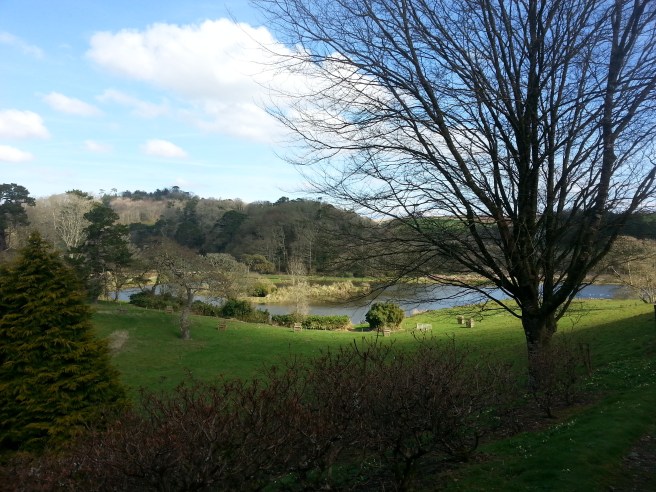
After a lovely piece of cake and tea in the courtyard (another source of income), we trotted off down the drive, past the splendid lake, to have a wander on the beach. Caerhays is known especially for its gardens and of course we didn’t see these, but F. talked to a lady (when both coming out of the loo) who said that they had been a little disappointed on their garden tour..the plants needed another week or two before blooming. We will be back to see the apparently breathtaking magnolias, rhododendrons etc perhaps in a couple of weeks time……..
On our drive back home we had some great views of the bay…..a lovely Cornish day.

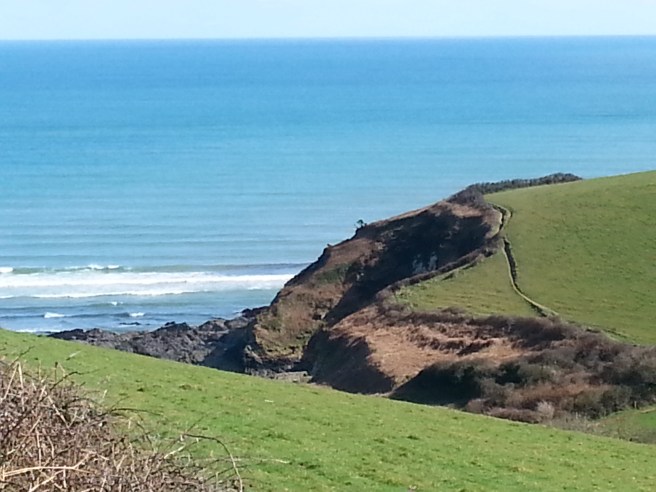
And, as we passed near it, we couldn’t resist calling into Fowey where we did our usual gaping at houses, estate agents, and visiting of some shops on the lookout for maritime-themed draught excluders of all things.
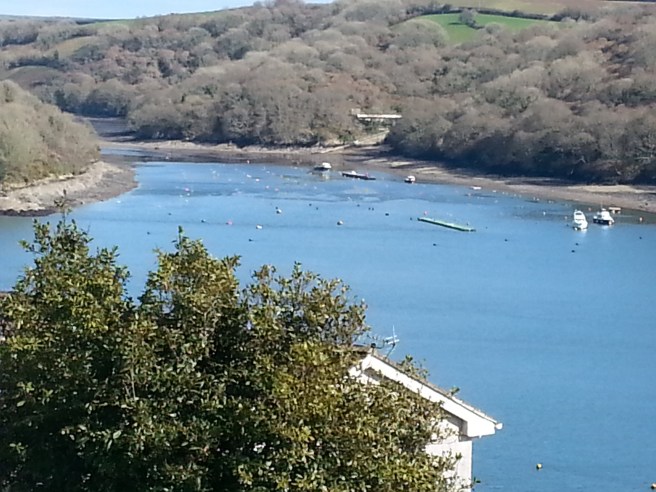
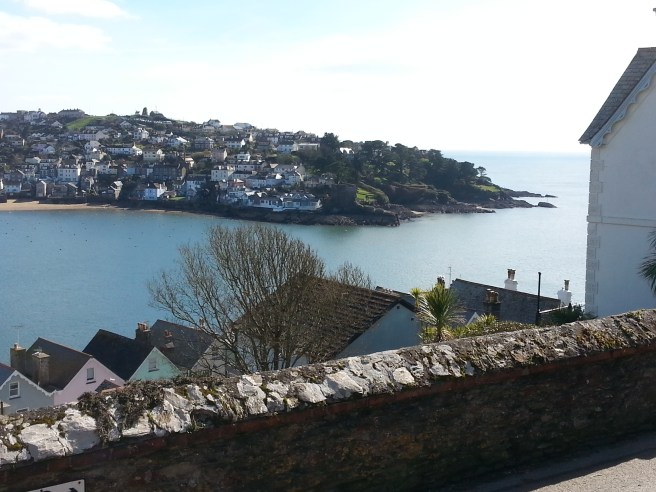

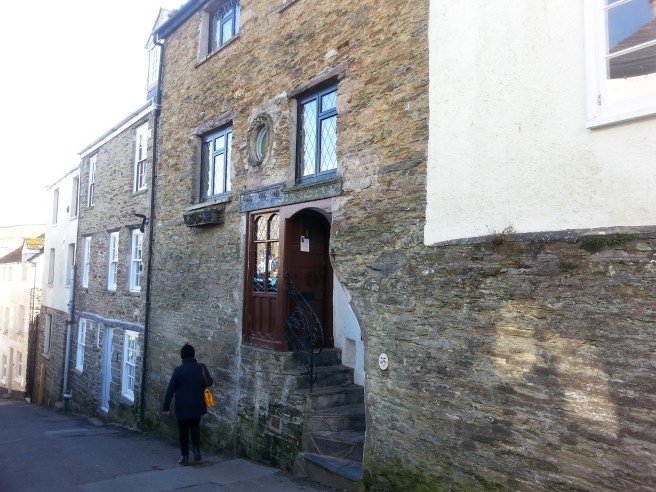
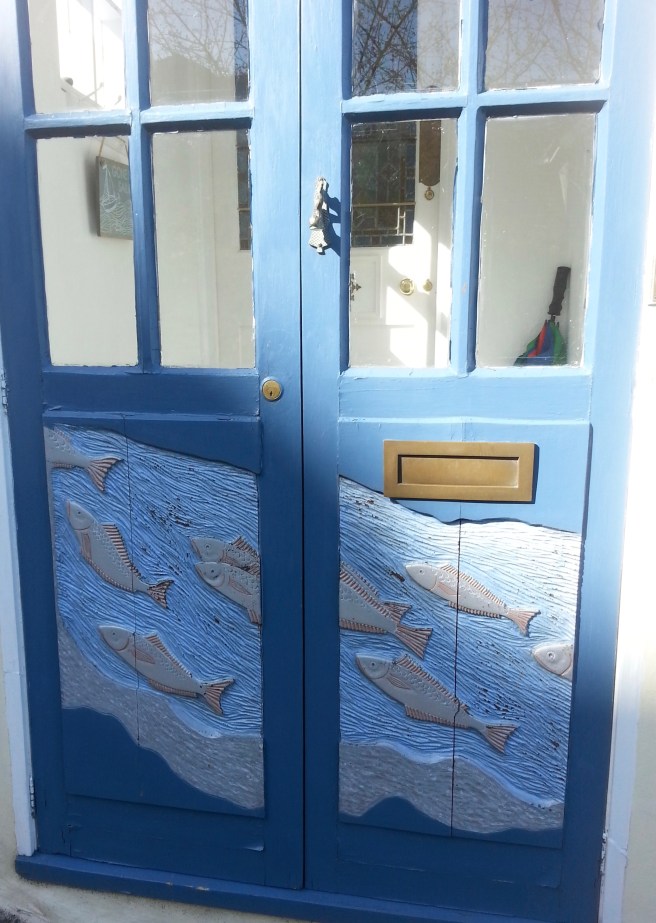
I loved this door (on a holiday cottage of course)…
Back for a late ‘lunch’ at 4pm! We found our living room flooded in sunlight…we are more or less West-facing.
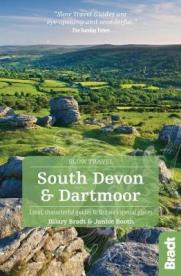 I’ve already talked about the ‘Slow’ series of travel guides by Bradt when I reviewed the edition covering ‘Cornwall’. Since we have visited Devon once or twice recently I found that I also had a copy of ‘South Devon’ on our shelves and so decided to have a browse. In fact these books are so good I had to read the whole thing. What I found was not only that it was pleasure to read, but that there are so many places, still fairly near to us, that we should try and visit over the coming year. I love the way that these guides give you as well as a potted history of places, highlights to visit, diversions nearby, excellent recommendations on food and drink, places to stay, and how to get there by public transport and how to get about, good walks too. All done in a friendly conversational style that draws you in.
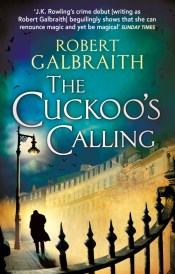 We’ve really enjoyed the Cormoran Strike series on TV, and so last time we were in Truro we bought the three books that formed the basis of the series so far. They are by Robert Galbraith, also known as J K Rowling of course, and on the whole very good they are too. It was interesting that the TV followed the books very closely indeed, which shows you that their plot lines are very strong. The character build-up is also good…as, for many Crime books, it is not. And of course they are page-turners which has led to some very late nights, and the carrying round of the books during the day. They are lengthy
 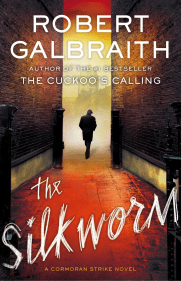 too which is good, as they can certainly sustain it. In fact the only thing I have against these is that after a fairly normal first story, the follow-ons get increasingly way-out and darker. It really isn’t necessary.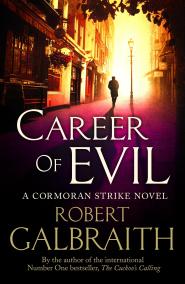
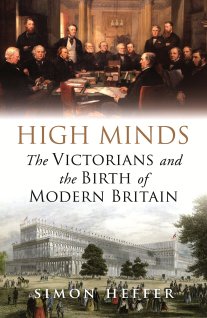 I am just finishing ‘High Minds : the Victorians and the Birth of Modern Britain’ by Simon Heffer. It’s taken me a while to get round to this as we had Simon along to give a talk at Warwick Books about five years ago, and very good value he was too. But it is a serious book and demands a thoughtful read. I can’t do better in describing what it’s all about than quote from the publisher’s blurb….’Britain in the 1840s was a country wracked by poverty, unrest and uncertainty, where there were attempts to assassinate the Queen and her prime minister, and the ruling class lived in fear of riot and revolution. By the 1880s it was a confident nation of progress and prosperity, transformed not just by industrialisation but by new attitudes to politics, education, women and the working class. That it should have changed so radically was very largely the work of an astonishingly dynamic and high-minded group of people – politicians and philanthropists, writers and thinkers – who in a matter of decades fundamentally remade the country, its institutions and its mindset, and laid the foundations for modern society.’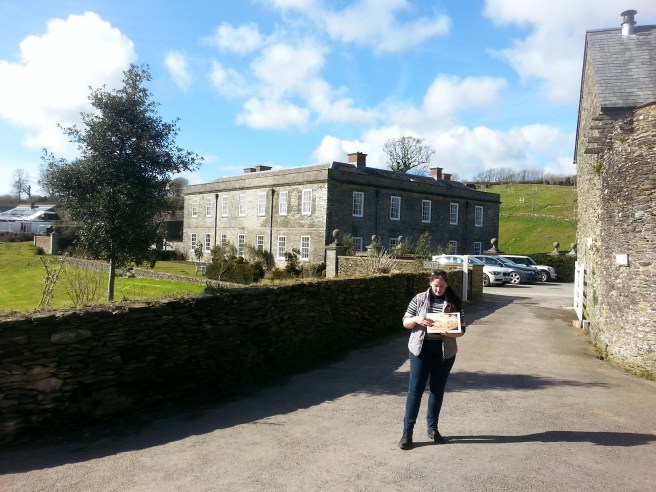


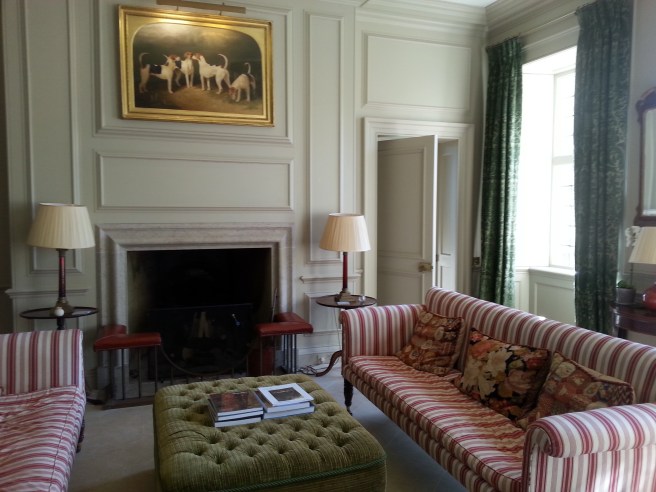
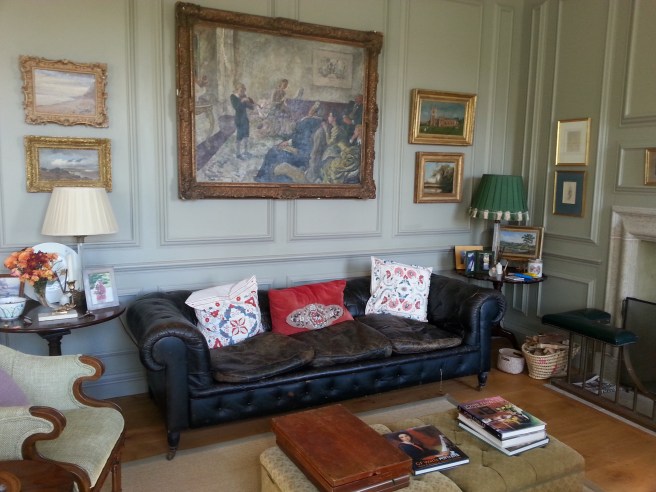

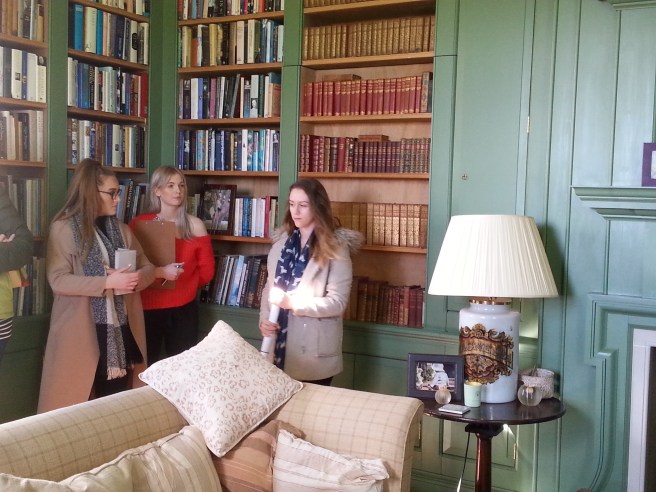
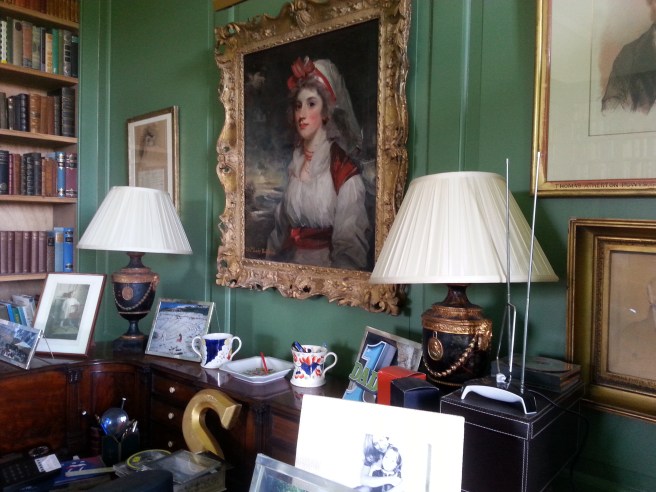
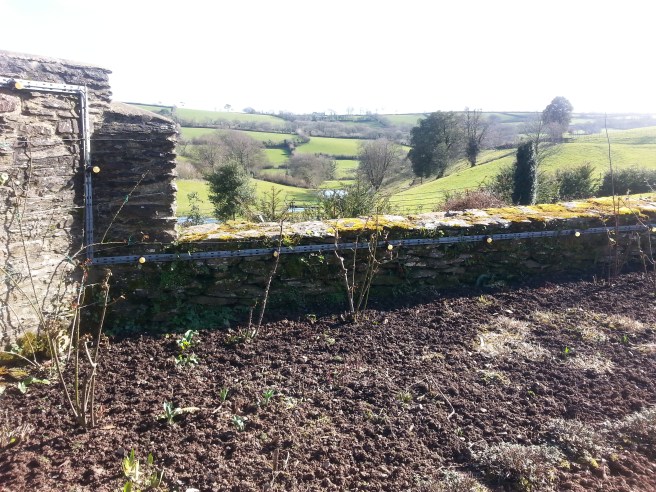


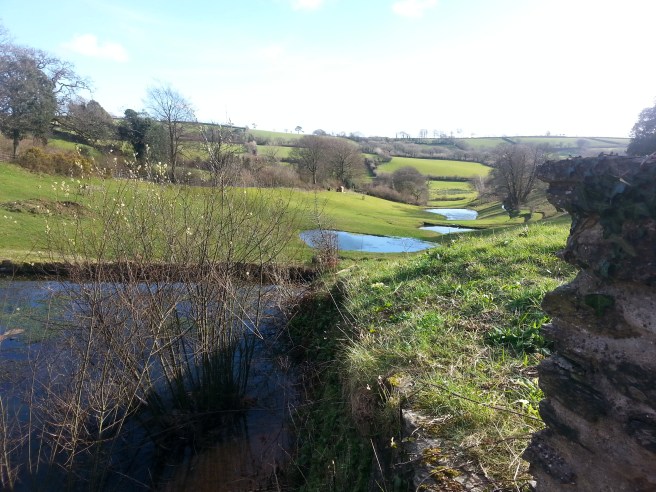

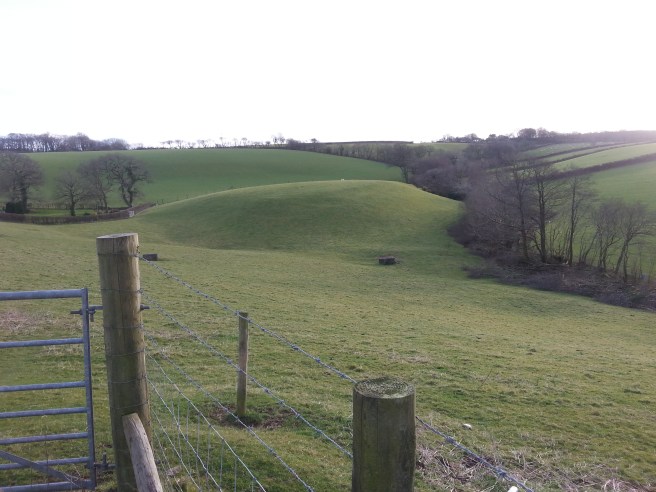
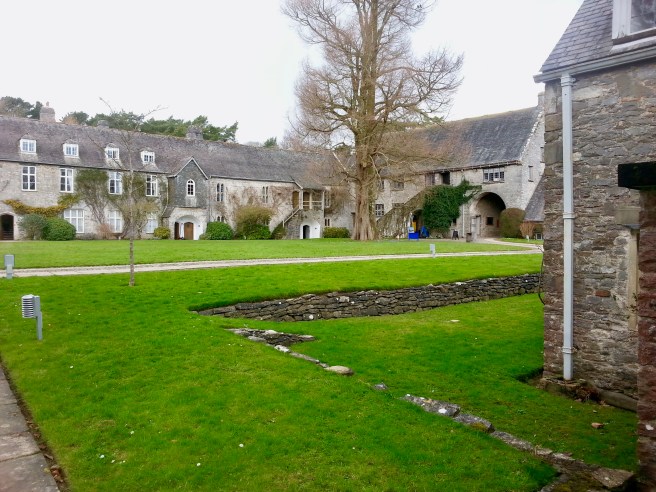
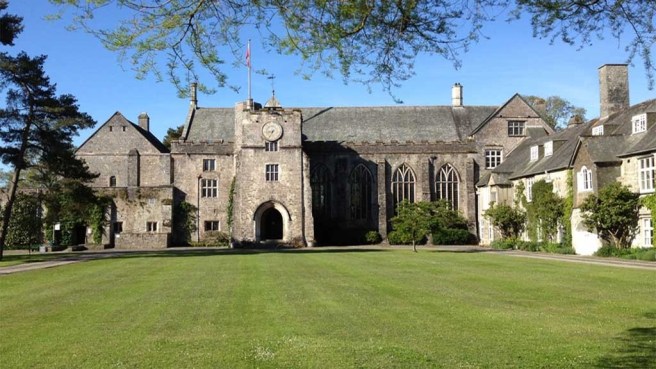
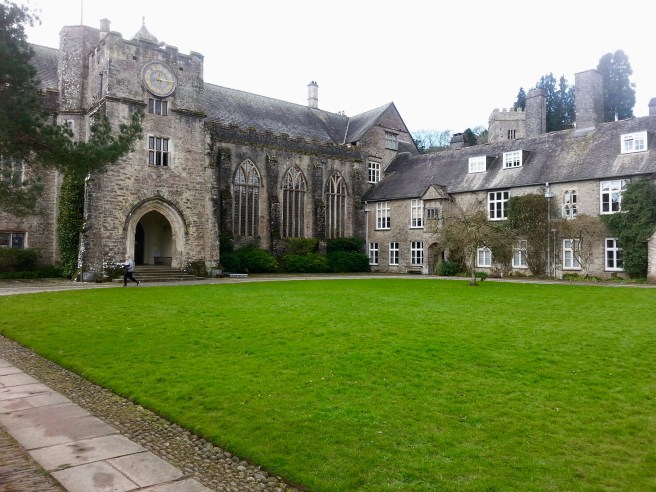 and our bedroom and the view from the window were extremely satisfactory. This was £59 for 2 people….ridiculously cheap, as I told Dartington in my feedback.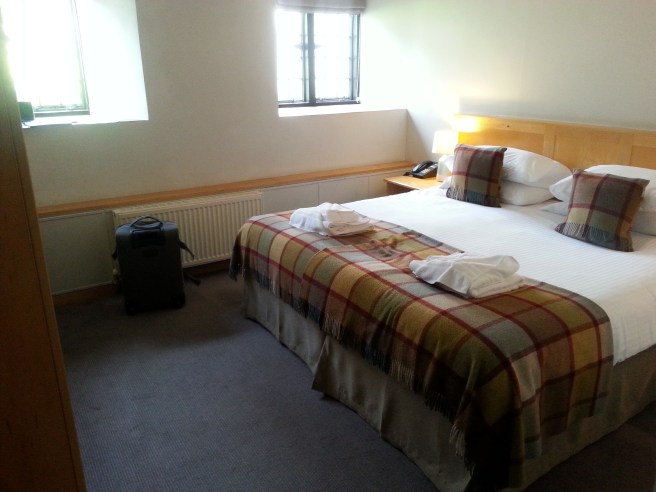

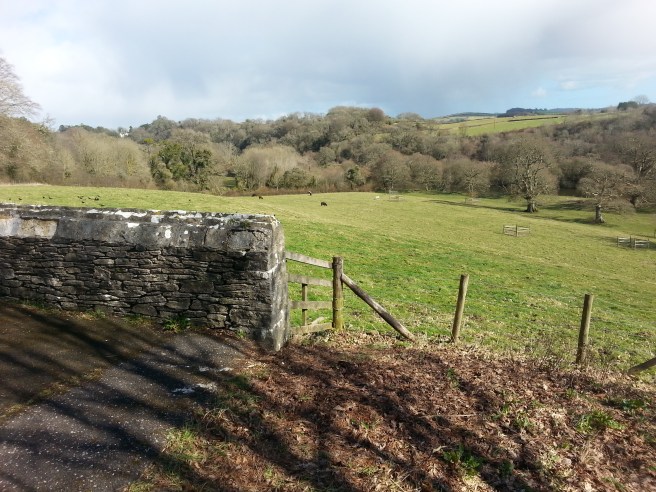
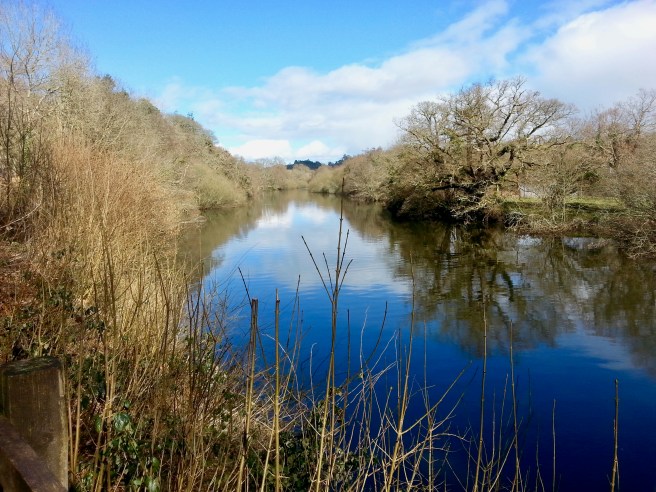
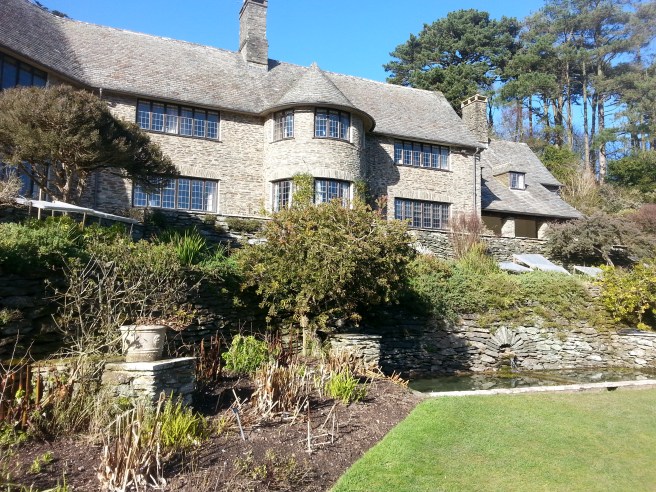
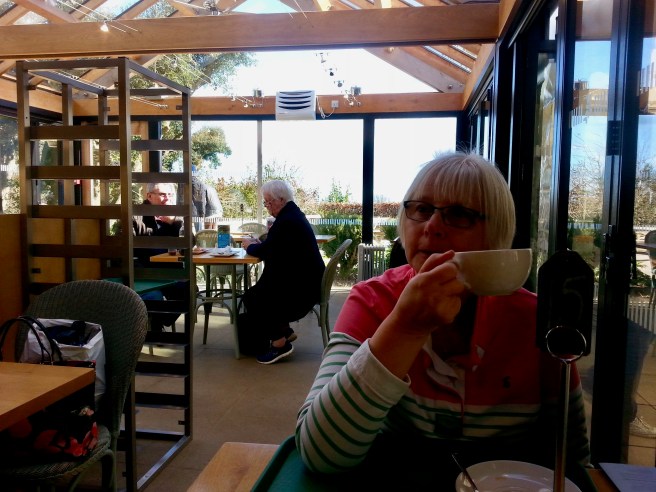
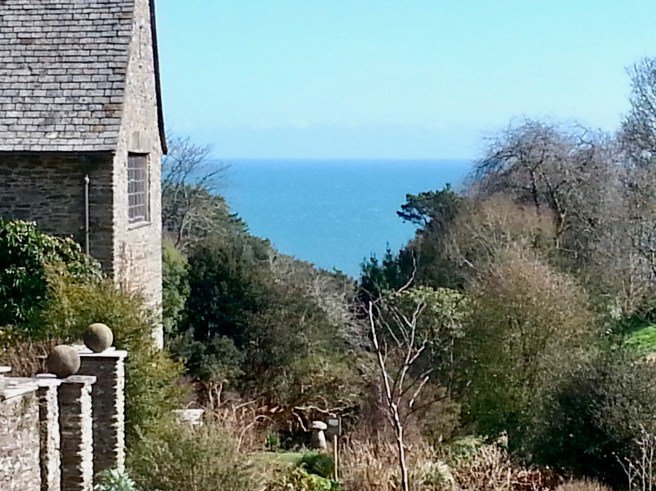

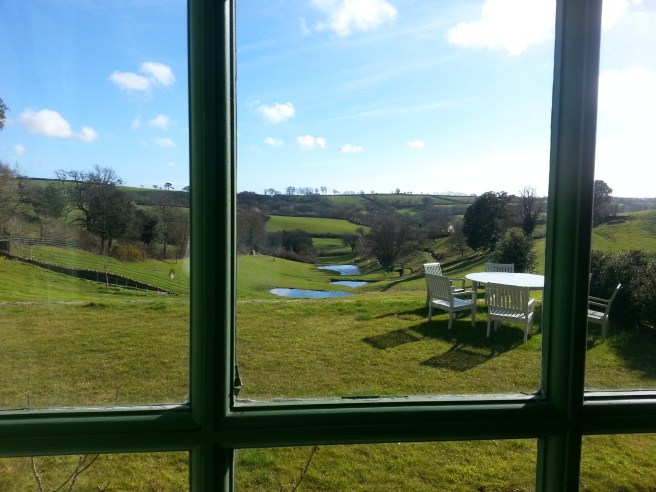
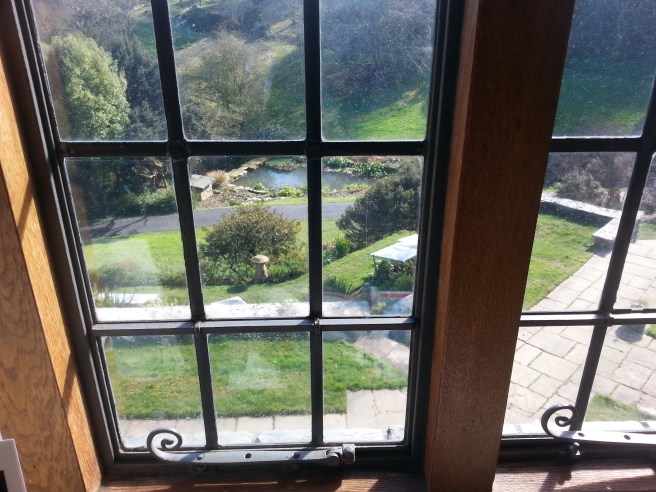
 with fabulous views of the gardens…..
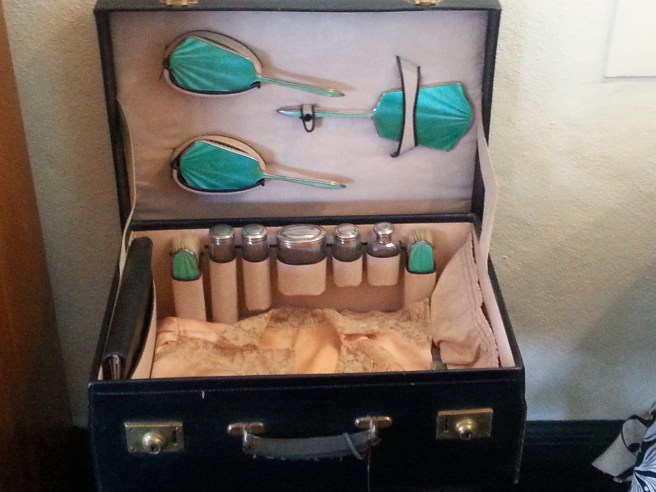
 There was, as is becoming more common, a dressing-up room….this time with 20’s and 30’s bits and pieces (quite fetching)
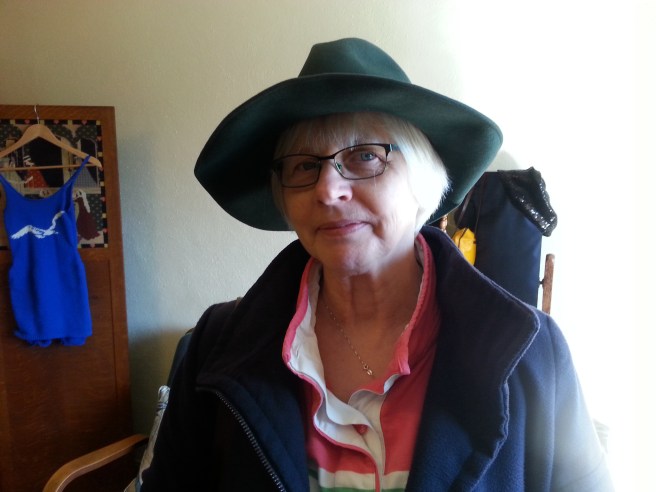 and little personal touches provided a homely feel..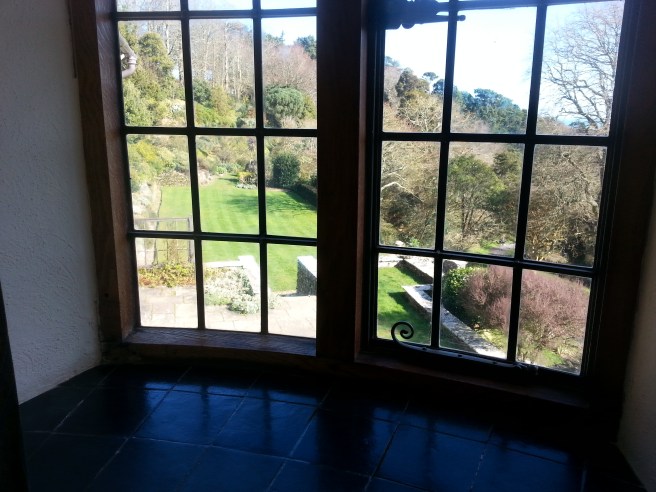
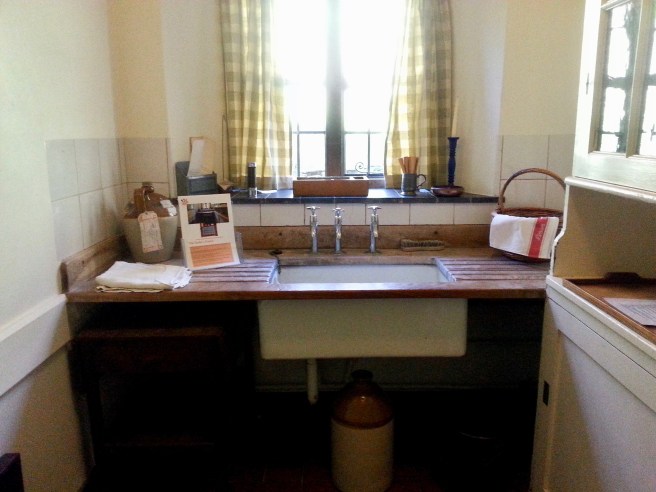
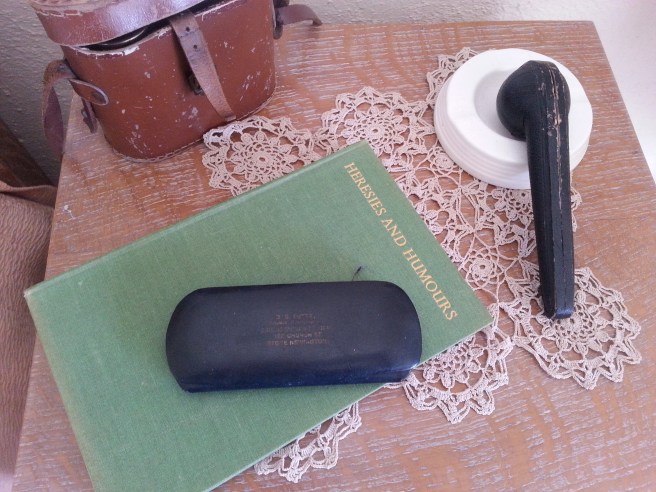 The ‘downstairs’ operation was not as unprepossessing as at a lot of the grander homes, and indeed the maids and butler’s quarters were very nice..they still had lots of work though…..
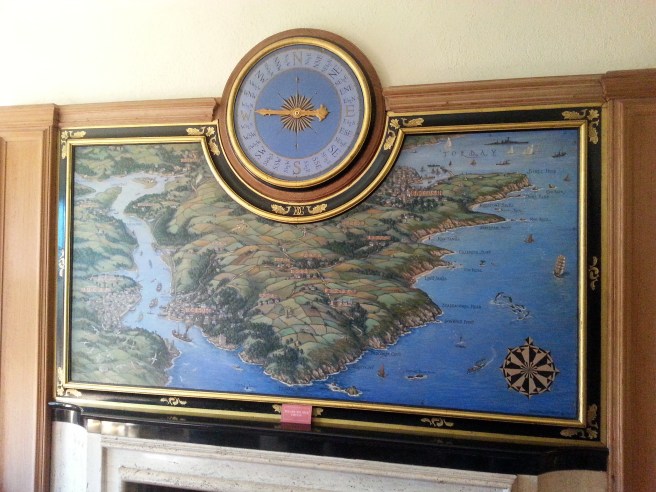
 but towards the end of the tour were my two or three favourite rooms…..the library
 with its very fancy wind dial
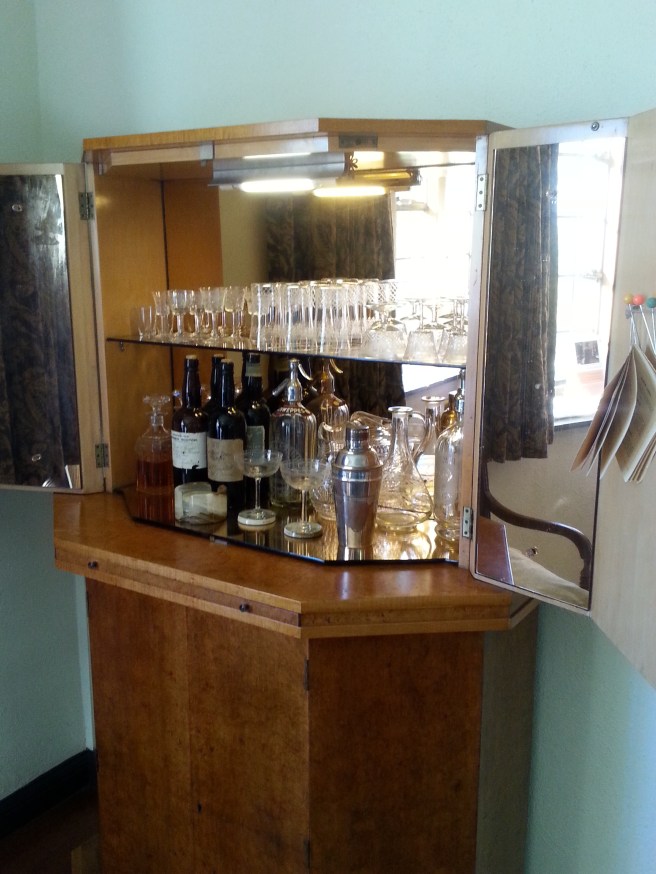
  and the living room where cocktails await, or if you really must…..
 …….tea
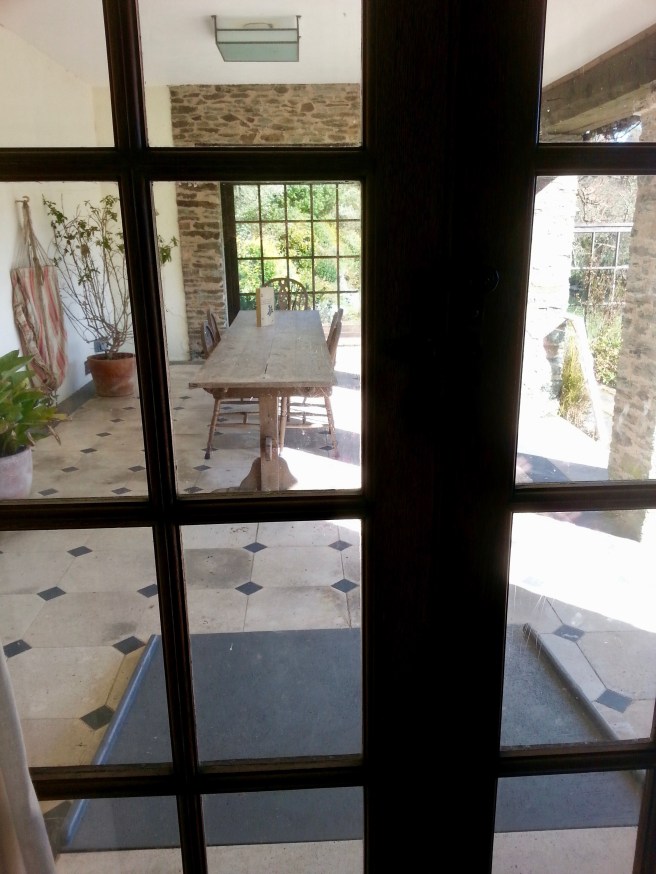
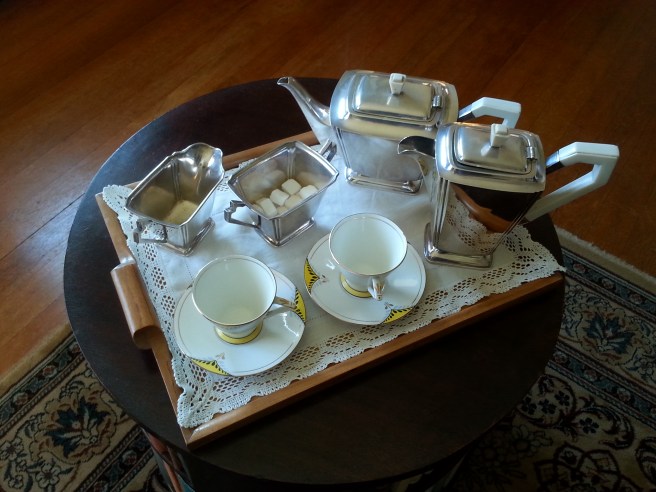 and immediately off the dining room was the outside loggia where the family preferred to eat whenever possible…sheltered, airy, and with lovely views of the gardens….
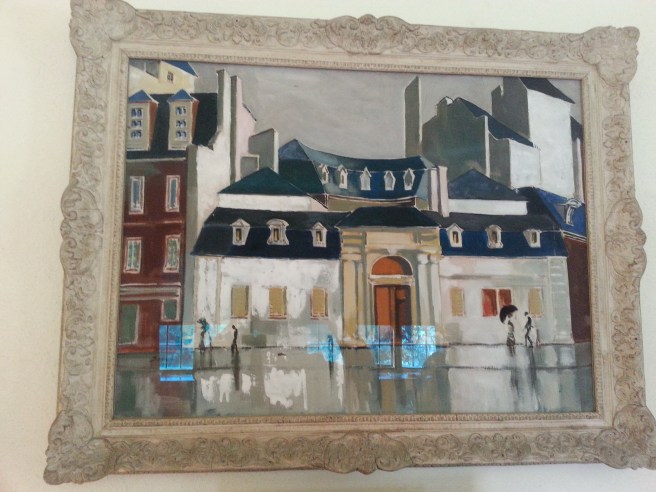
 there were also some handsome paintings…all in all, a terrific experience.
 But as it was such a nice day we had the further delight of a stroll through the gardens, via the Summer House and formal areas…..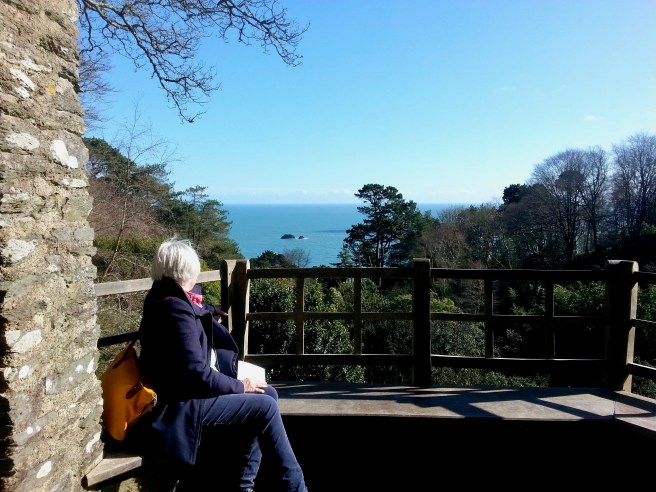
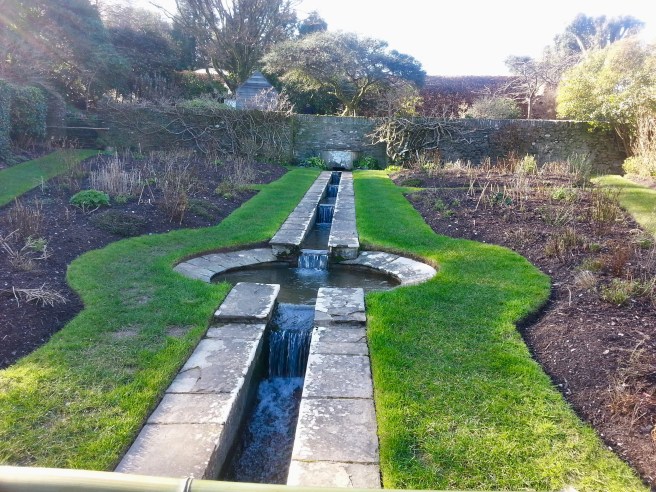 to the viewpoint at the end of the estate….magnificent.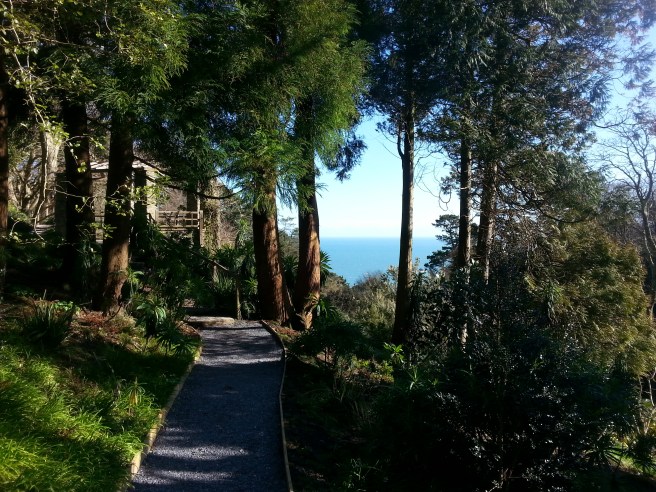
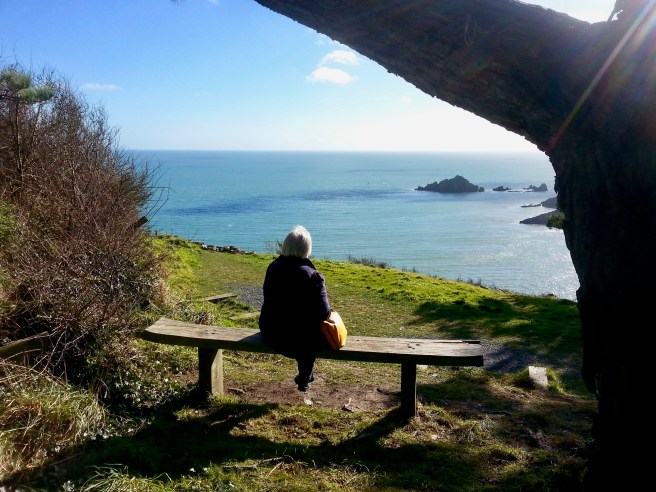 I really must mention how friendly and helpful all the staff were…this year wherever we have been this has been so. I therefore imagine they have all been on a customer service course, who knows?
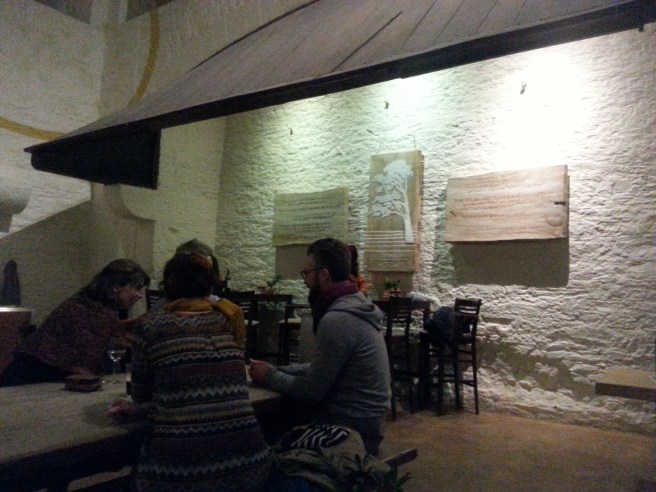 Unfortunately on this occasion the meal wasn’t up to scratch. However, the film afterwards in
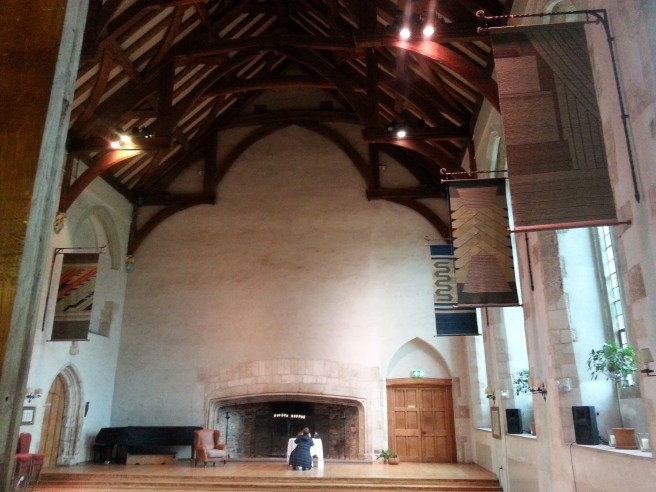
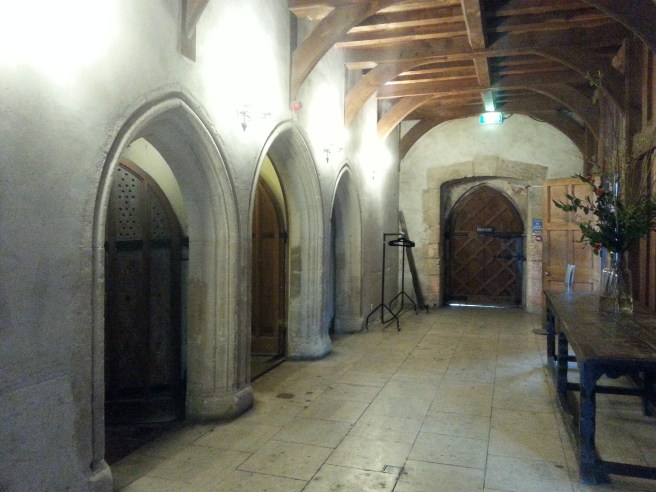
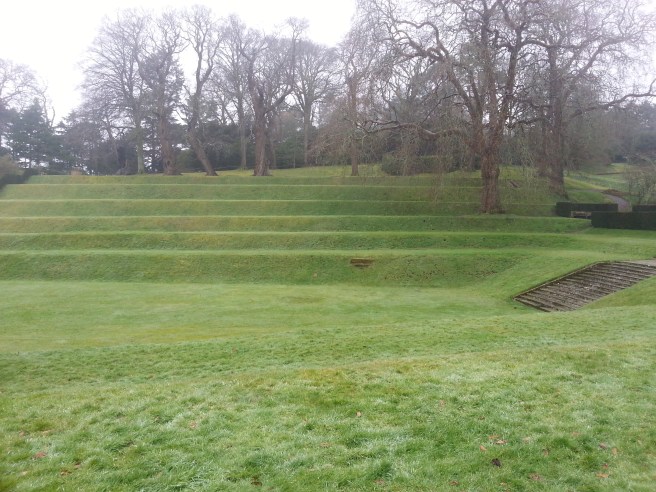

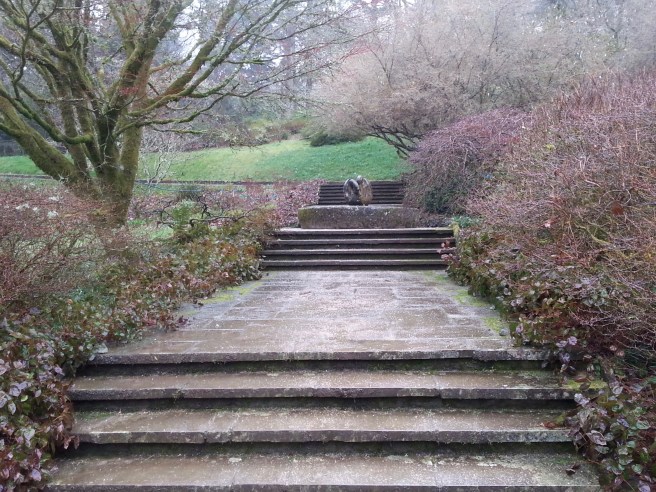 There were some famous statues including this Henry Moore, so we enjoyed our little tour despite the conditions.
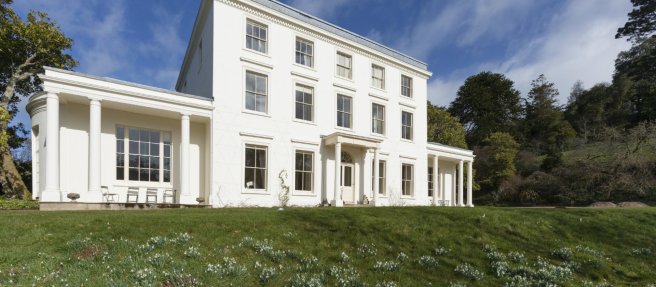
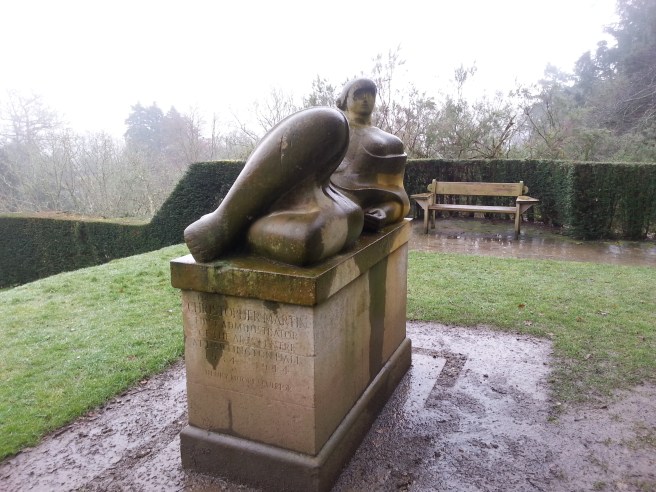 Next stop was Agatha Christie’s holiday home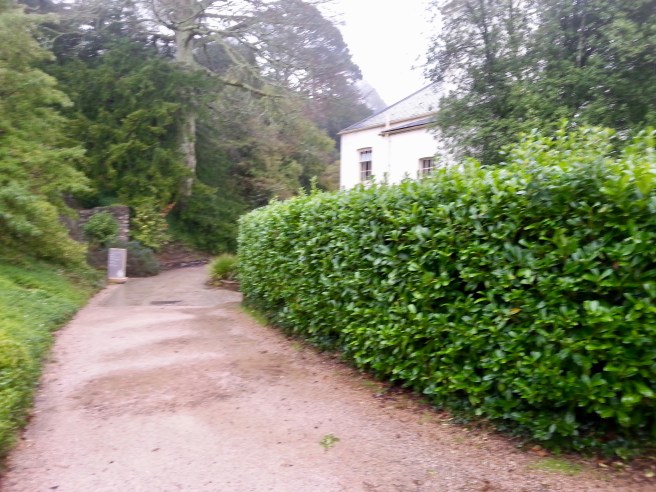
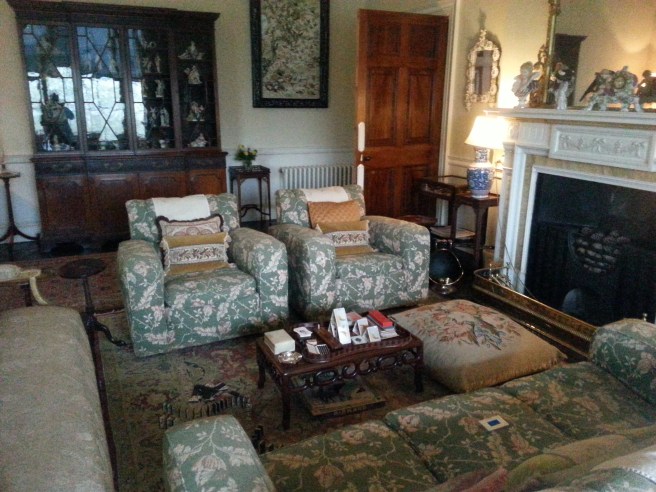
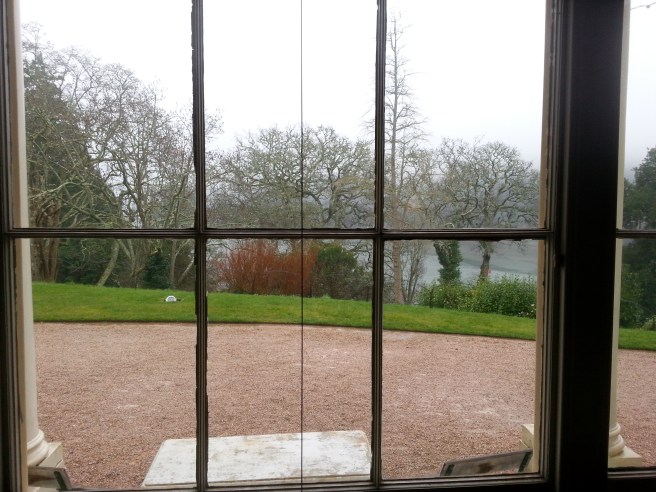 All very interesting, but everywhere gloomy I thought. Mind you I think half of that was down to the weather conditions. Very friendly guides again – must have been on the same course!
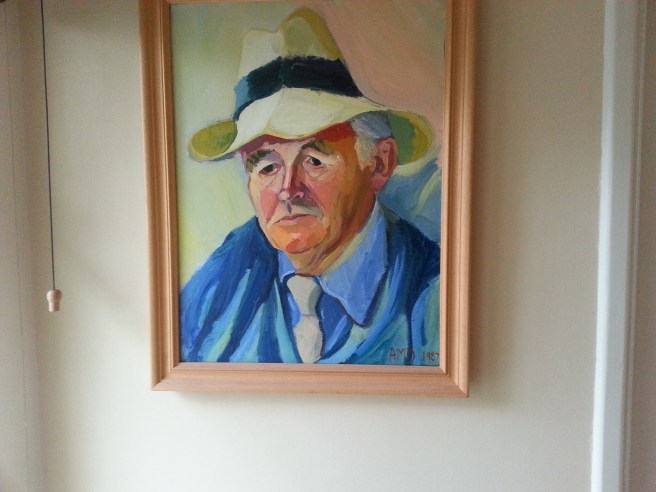
 I particularly liked some of the paintings of Agatha’s husband Max, the archaeologist, which gave a real feel for the man.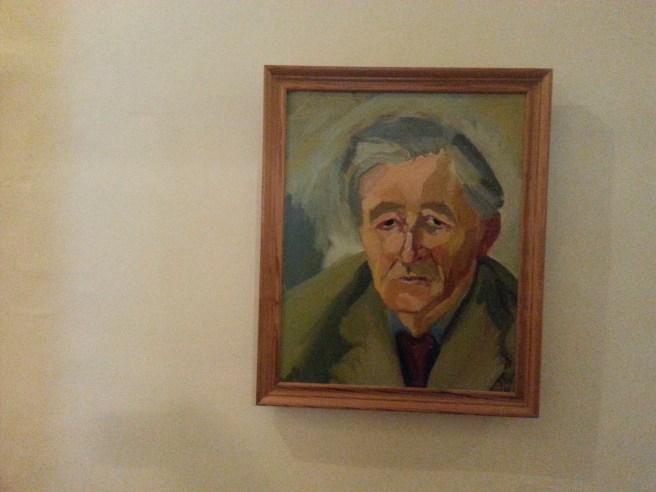







 Enjoying Cornwall...