9th July 2016…3 weeks in Spain

20160709_090502.jpg

Three weeks more or less at our house on Punta Montgo which is on the Northern end of the Costa Brava Spain, and near L’escala. Last year the Daily Telegraph had a good article showing some of the highlights of the region with all of which we are well familiar. These days I am more relaxed and more content to hang around the house and pool, but since the 20160709_090849.jpgwhole family were there at different times there was plenty that we did do. One pleasant task was to take the numerous steps down to the beach each morning to buy fresh croissants and pastries – always a big thing for me. And the Montgo bay is very pleasant, as well as 20160709_091415.jpgbeing an important nature reserve.
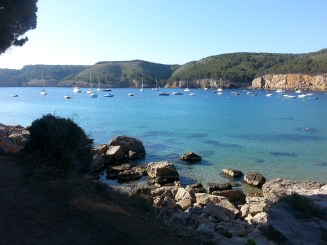
The walk into L’escala is great now as it goes along the cliffs previously and until very recently in fact occupied  by the Army. Half way is the busy resort of Riells (crowded beach, many shops and several ‘pollo a’laste’ outlets). After Riells there is a lovely walk along a promenade shaded by olive trees into L’escala itself……the statues of the sardanas band are rather good. 20160710_131547.jpg

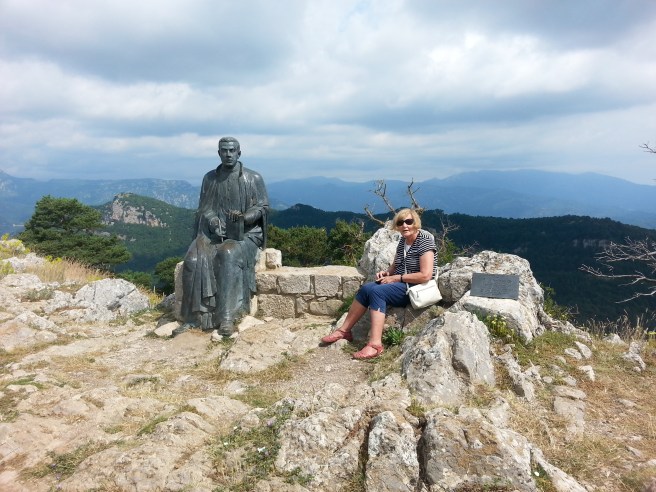
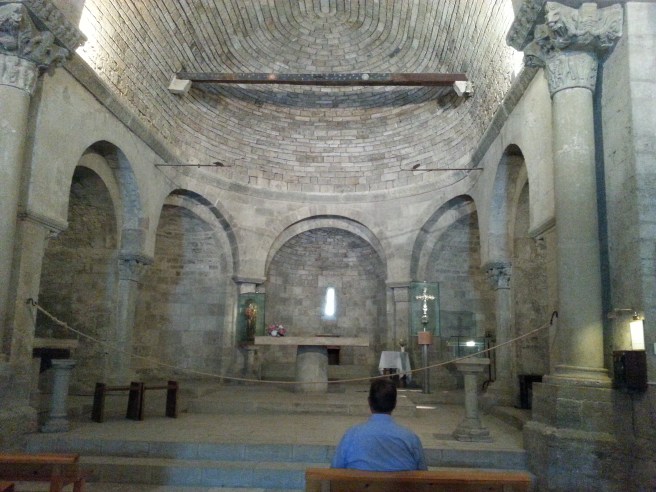
This time F’s sister Judy took us up one of the Pyrennean mountains via a long, long, long switchback road to visit a medieval monastery with accompanying restaurant….unfortunately we went on the one day it was closed! However we were a bit better off than the group of English cyclists who had wound their way laboriously to the summit expecting to find supplies of water on arrival……there was nothing. At least their run down the mountain would be quick! What magnificent views we had despite the disappointment. On the way back we lunched at a restaurant on the side of Lake Banyoles and then visited the twelfth century Romaneque Church of Santa Maria de Porqueres which was very atmospheric.20160712_114131.jpg

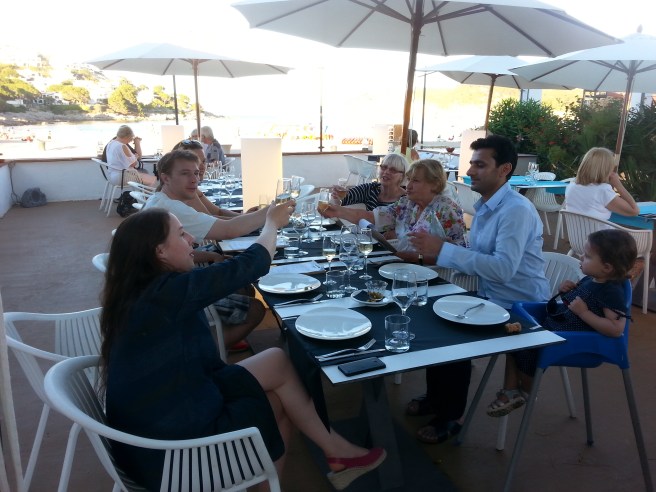
20160712_114347.jpg20160712_145616.jpgWe have always been to Can Miguel’s restaurant at Montgo. This time we went more than once to the concession who operated the area outside the hotel around the swimming pool which they have made very swish indeed….great cocktails, good food, and reasonable prices. Our granddaughter Aiisha wanted to remain behind dark glasses when there…20160718_202842.jpg

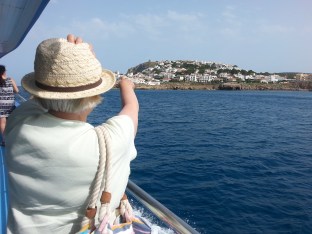
20160718_202911.jpgOn another occasion we caught the boat in the marina at Riells southwards down the Costa 20160721_165710.jpgBrava coast to L’Estartit, passing the Montgo peninsula and looking out for our house on the way. The glass bottom was great for seeing shoals of fish, and the coast was almost totally unspoilt (just as the whole Costa used to be!). The boat could get a move on when it suited.20160721_181338.jpg
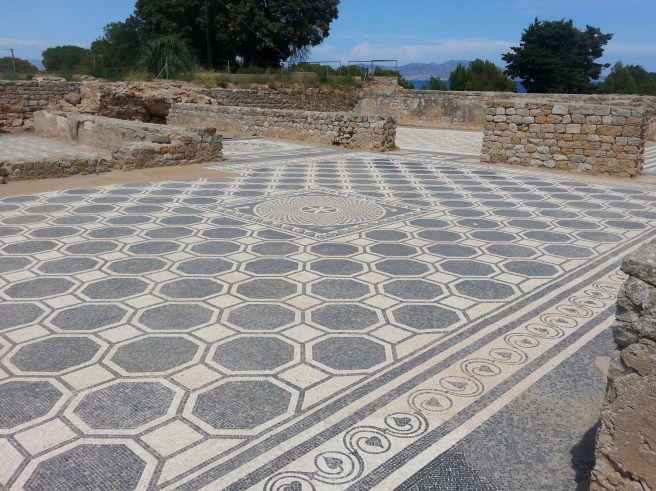
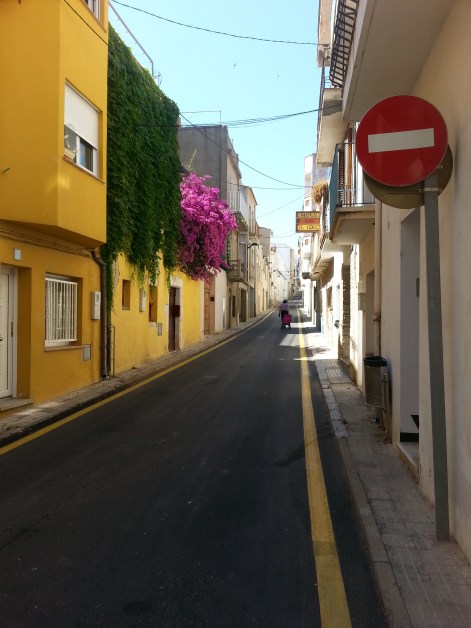
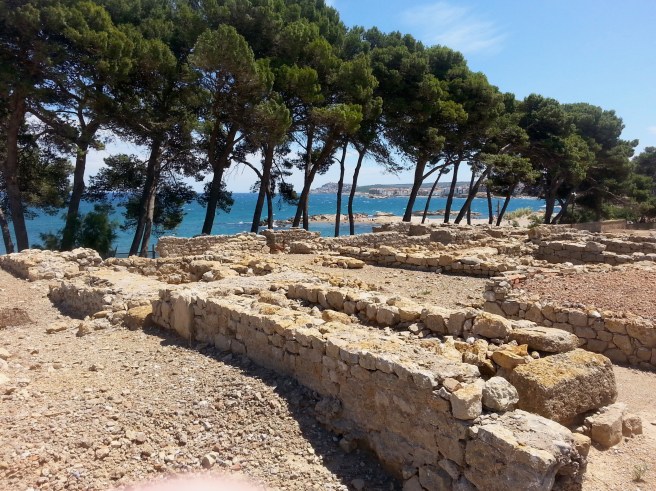
L’escala itself has lots of interest apart from the usual touristy things. We love to go to the 20160710_120011.jpglocal market, and some of the side streets are full of old fishermen’s houses (one of which Judy and Tino improved to make it the fantastic house it is today. The bougainvilleas are quite spectacular at this time of year although we have never been able to grow one 20160710_113207.jpgourselves at the house in Montgo. Another day was spent walking to Sant Marti for lunch, a beautiful tarted-up medieval village, and exploring again the fantastic Greek and Roman ruins at Empurias. These are of tremendous interest and very extensive although, despite that, only a tiny fraction of the archaeology has yet been revealed. It was founded by the Greeks as a market location (Empurion), and then the Romans landed there during the Punic Wars and stayed eventually turning it into a retirement village for some of Caesar’s legionnaires. Sant Marti was probably the first of the old villages of the province of Gerona to receive the make-over treatment, with Pals close behind. These tend now to be tourist traps and coach party destinations, but nevertheless worth a visit. However, inland the Costa Brava is absolutely crammed with amazing historic villages, some totally unspoilt. 20160723_140845 2.jpg20160723_150717.jpg
20160723_144823.jpg


29th June 2016…Cornish hedges

20160629_144709.jpg

By this time of year the lanes around St Keyne can only be described as lush, and they stand very high indeed. When our friends Julia and Allan visited we were discussing why the lanes in Cornwall and Devon are so deep. I looked up my ‘History of The English Countryside’ and have since found an excellent account in the Cornish Hedges site. However,  both of these otherwise masterly accounts are flawed in my opinion. They attribute most of the depth of West Country lanes to possible double-ditch construction by farmers on opposite sides of the lane creating boundaries, and to water erosion. Now we know from living in both that Devon and Cornwall are wet, but to suggest that a lot of the enormous depth of lanes is caused by water run-away seems to me a nonsense. Whenever I have examined a hedge by looking underneath the top-soil covering I more often than not find a carefully constructed stone wall, or hedge if you like. My theory is that these were constructed as boundaries, and that they were tall because there was an exceptional amount of stone waste material on the fields, for nearly all stone walls are made from material that was to hand. This is so in the Yorkshire Dales and everywhere else. The studies I mentioned seem to ignore the underlying construction of the hedgerows….20160629_144448.jpg

17th June 2016…Edinburgh

20160619_131517.jpg

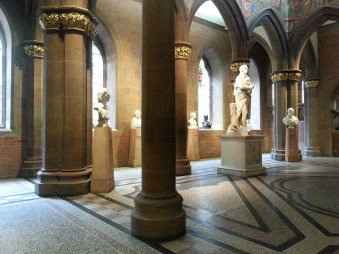
A few days with our lovely family in Edinburgh. David and Jennifer were buying us a meal to celebrate our wedding anniversary, and so were Katherine and Nasar…lucky old us! 20160619_141535.jpgPlenty to do in Edinburgh as usual. This time we visited some nice gardens, went on the train to the seaside (Portobello and North Berwick…both fantastic), went round the National Portrait Gallery (one of my favourite 20160621_141829.jpgmuseums of all time), and had plenty of fun with our darling grand daughter, Aiisha….lots of possible meanings to the word, I like ‘beautiful’.



20160617_085238.jpg

7th June 2016…the day boats of Looe

20160607_185026.jpg

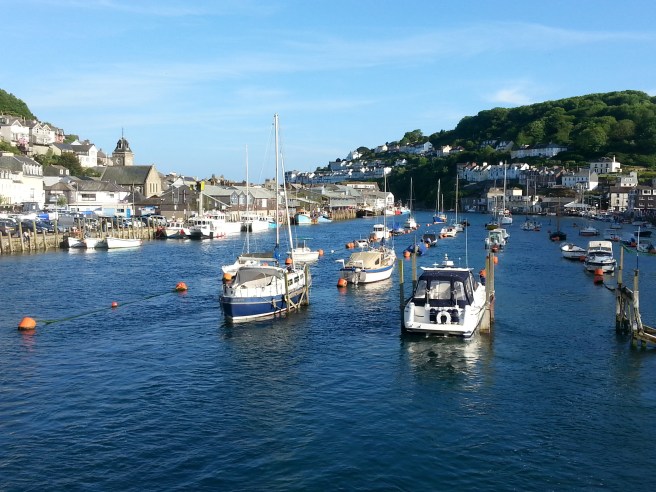
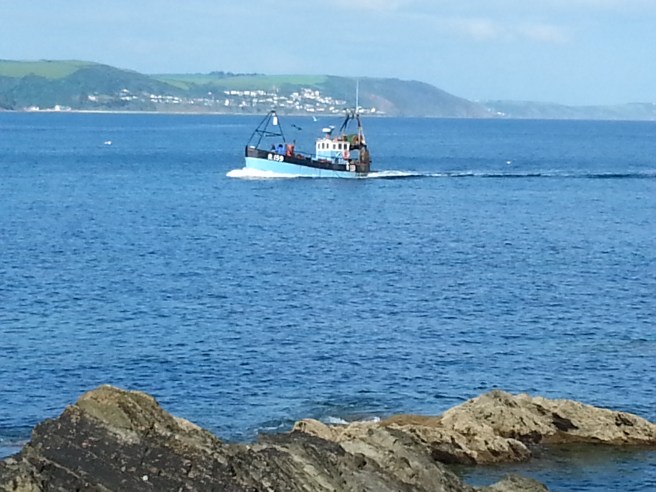
When the water is in and the sun out, Looe looks as lovely as any of the Cornish ports but, unlike some, it is a genuine working port. The fish trade is serviced by so-called day boats which go out and back the same day although we have seen them moored outside the harbour when the tide has turned too quickly for them…a miscalculation or they caught a heck of a lot! Here’s one hurrying back…..20160607_181222.jpg

6th June 2016…acrophobia near Polperro

20160606_160050.jpg

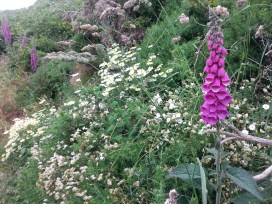
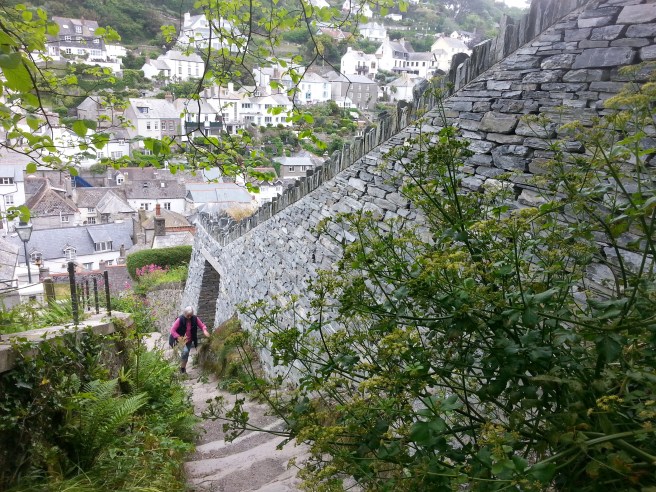
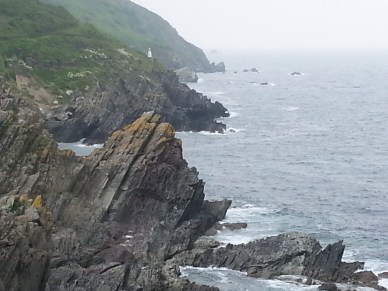
Bus to Polperro today, and a short walk Westwards on the SW Coast Path, coming back along a slightly higher route. What we find absolutely astonishing is the change in wild flowers we see as the seasons change. We do sometimes stop and try to identify what we see, but it’s all invariably forgotten soon after I’m afraid! Still it’s the experience that you do remember. The route on the way back wasn’t clear in some parts and at one point we had to stop and reverse as I had reached a place where my acrophobia took over….the SW Path can be quite exposed in places, as I had found in the past.20160606_160247.jpg As you can see, Polperro itself is steeply fitted on its cliff faces. The large wall you see was built by NT volunteers…a really splendid example of their work.20160606_172054.jpg
20160606_154024.jpg

3rd June 2016…by bus to Padstow

20160603_131528.jpg

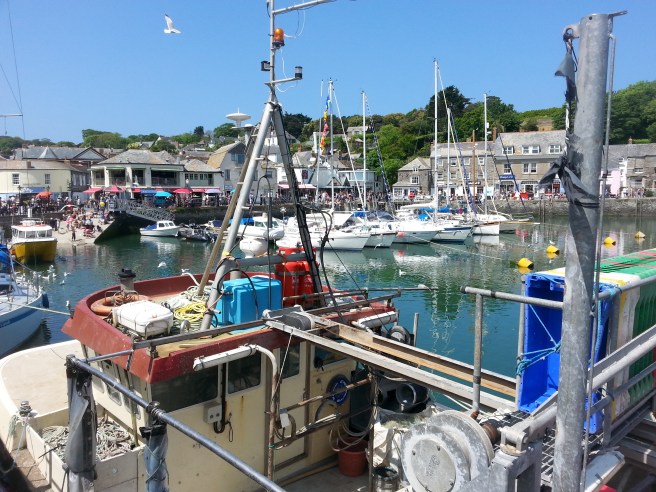
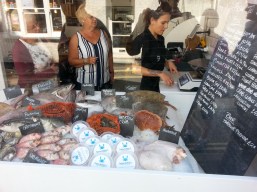
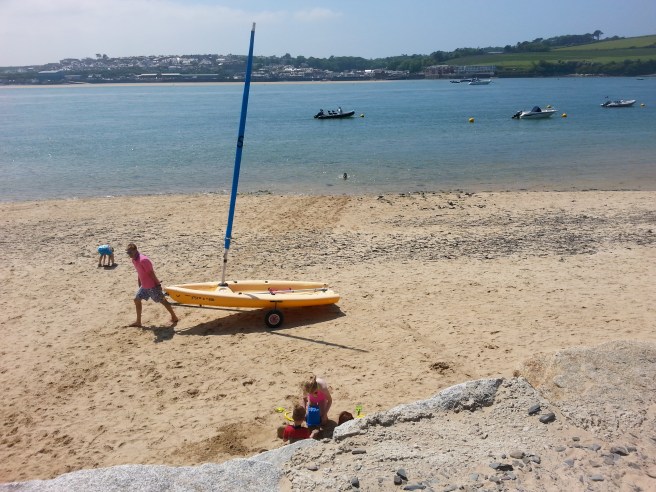
F’s sister Judy was over from Barcelona for a short visit just to see our nice home. So today 20160603_133834.jpgwe took her on one of our favourite bus trips to Padstow. Lucky with the weather, we had lunch at Rick Stein’s fish n’ chips (with which Judy was very impressed), had a wander around the harbour and shops (including the high-quality fresh fish shop pictured), and then took the ferry across to Rock where we strolled along the beach to our heart’s content, and then sat basking in the sun. Padstow and Rock are on opposite sides of the Camel estuary, and 20160603_134801.jpgdepending whether the tide is in or out, the estuary is one vast expanse of sand and sand 20160603_134807.jpg
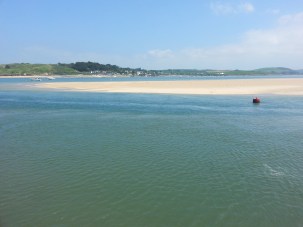
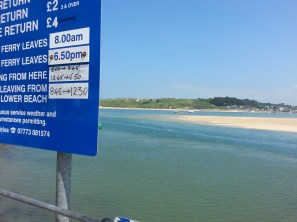


banks and is quite a sight, or sea-filled. We saw both during our trip. Lots of holiday makers but the beaches were still not crowded…20160603_140737.jpg

31st May 2016…St Keyne…Church,Vineyard, Station

20160531_192410.jpg

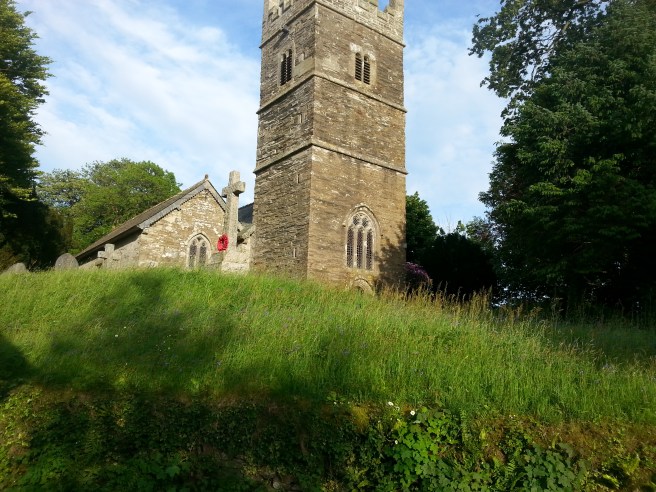
This is our village church. Locked most of the time, we have visited to hear the Polperro Fishermens’ Choir, and now know it tends to be open on a Saturday. This is the entry in Cornwall Historic Churches Trust..

‘The Church of St. Keyne is located on high ground at the southern extremity of the village of St. Keyne within the parish of the same name, the second smallest in Cornwall. The parish lies on the edge of the Looe valley between the parishes of Liskeard (to the north and east) and Duloe (to the south and west).

St Kayne seems to be the most ancient spelling, but Kaine, Keane, Kean and Keyne, have also been used. St. Keyne is noted in 12th century Welsh sources as being one of the children of King Brychan of Brecon in Wales. Her brother Berwin is noted as being in Cornwall and may be St Barry of Fowey. Such legends were used to explain the repetition of saints’ names in the Celtic areas of Britain: Devon, Cornwall and Wales and there is a more Cornish version of the Children of Brychan which does not include St Keyne.

According to another legend, St. Keyne is said to have lived like a hermit and visited St. Michael’s Mount, which coincidentally is the only parish smaller than St. Keyne in the county of Cornwall. She is also said to be responsible for the construction of St. Keyne’s well, situated just outside the village, which was the old baptismal well. It is famed for its ability to ensure that the first of a newly-wed couple to drink the water will become the dominant partner.

The hood moulding over the door in the porch of the present church building indicates that a Norman church stood at St. Keyne. The building appears to be mainly constructed in the 15th or early 16th century as indicated by the Cornish standard granite piers, the font and one of the bells, although the north aisle west window may date from a little earlier. The tower windows look early 16th century and the tower is built in the typical Cornish pattern of three stages, but the stages are uneven; the first stage being half the height of the tower, less pinnacles.

In the 16th Century the whole parish was one manor, Lametton, which at times has also been the name of the parish. In the 16th Century the manor was owned by the Coplestone family, but in 1561 John Coplestone was forced to sell 13 of his manors to buy a royal pardon for murdering a son and godson. This was sold to the Harrises of Mount Radford in Devon (One Harris was MP for Liskeard in 1661), who married a daughter of the Rashleighs of Menabilly. In 1911 the estate was sold in lots at Webb’s Hotel in Liskeard.

Throughout the first 20 years of the 19th century the church was consistently recorded by successive Rural Deans as being ‘out of repair’. Minor improvements were attempted but, by the 1860s, it was noted that the church was neglected and out of repair, and a substantial restoration was undertaken by J P St Aubyn between 1872-1878.

Today the church consists of the chancel, the nave, short north aisle, south transept or vestry, porch and west tower. St. Keyne parish is linked to the market town of Liskeard and the fishing and tourism centre of Looe by the B3254. The church serves the population of St Keyne parish (505 in the year 2,000) & the Trewidland area of Liskeard parish (345 in 2,000)’. More architectural info can be found at Historic England

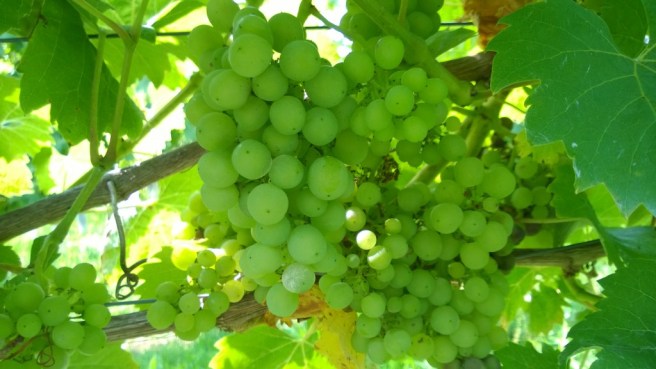
The Parish Plan for 2005 contains lots of useful information about St Keyne. We also have a vineyard in St Keyne which we intend to visit..585-1024x577.jpg

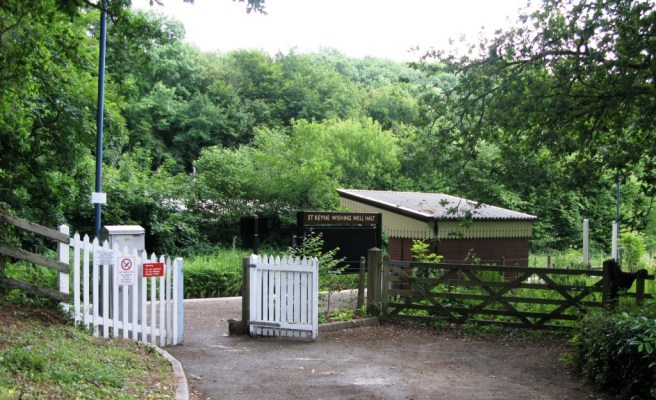
and the station (recently visited by Paul Merton in his small stations series) is dinky..we are lucky to have it for access on the scenic Looe Valley Line.St_Keyne_station_entrance.jpg

28th May 2016…kayaking on the Fowey

20160506_172931.jpg

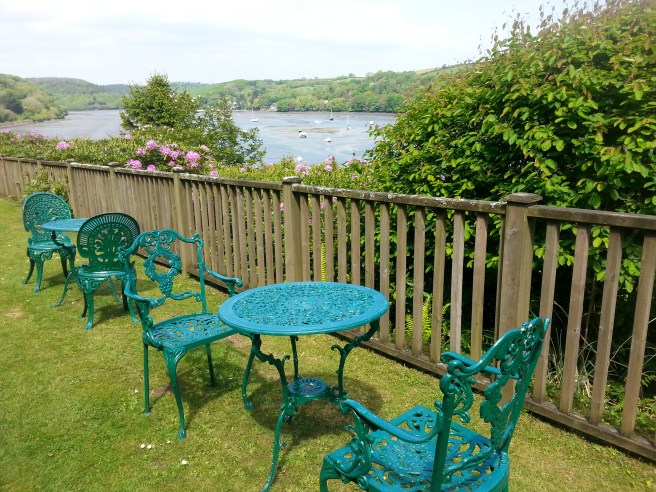
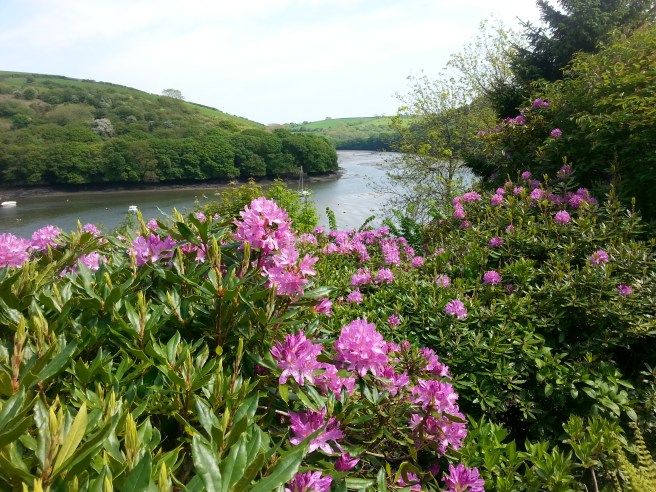
As our son and his wife were visiting, we booked a morning’s kayaking on the river Fowey. There was only one difficulty and that was getting F. in and out of the kayak, but once ensconced no problem! After brief instruction we started off from Golant on the high tide, and went up the River Fowey and into “Wind in the Willows” Creek, where Kenneth Grahame got much of his inspiration, to picturesque Lerryn village. There we stopped for a 30 minute break for refreshments and to give our arms a rest before heading back to Golant on a circular loop through the estuary. A beautiful 3 hours in incomparable surroundings and quite the equal of kayaking on the Dordogne with the children what seems like centuries ago. I have often wondered why we don’t use our rivers more extensively….the effort is certainly worthwhile. After a quick change, we headed up the hill to have lunch in the Cormorant Hotel overlooking the whole magnificent river scene….if there is a more beautiful location on a warm sunny day I’d like to see it. The company, ‘Encounter Cornwall’ also do a 3 hour trip downstream to Fowey docks on the low tide, so we must do this soon and then I would like to look at the implications of buying our own kayak as there are many other wonderful places to canoe in Cornwall and Devon.

27th May 2016….trip to Buckland Abbey

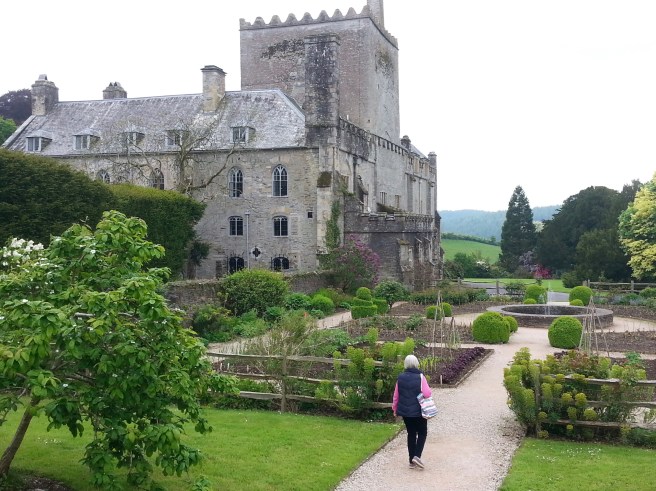
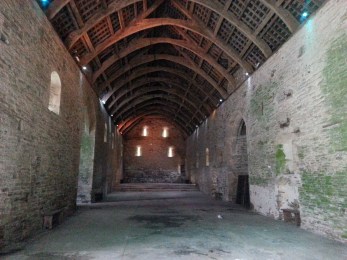
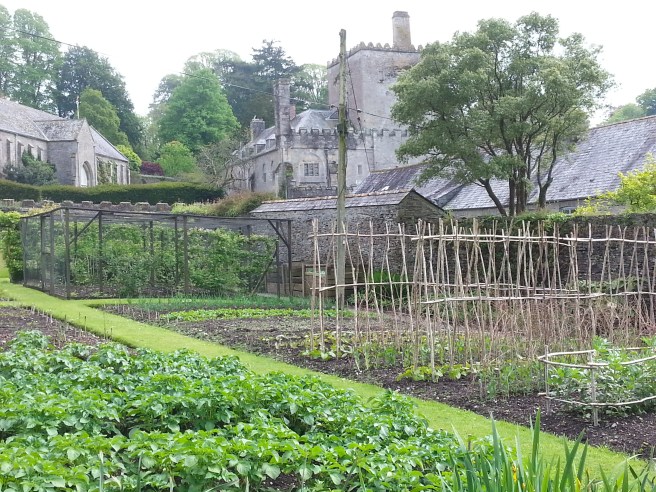
20160527_132156.jpgOver the border today to the NT property Buckland Abbey in Devon. Tucked away in its own secluded valley above the River Tavy, Buckland was originally a small but influential Cistercian monastery.Two of the most famous owners were Sir Richard Greville and Sir Francis Drake. According to one of the Guides, the latter bought the property from Sir Richard through a third party, as they were not on the best of terms and he knew that there would be no sale with Drake’s name attached. However, I have since learned that this is most probably a myth. Buckland then remained in the Drake family until the 20160527_132023.jpg1940’s. A very full description of the buildings and their history is given at Heritage Gateway. On of the most impressive buildings is the 15th century Tithe Barn, but there is so much else besides. It is not a huge estate, when one bears in mind that Drake was one of the wealthiest men in England on his return with pilfered treasure. So there is a nice homely feel to it all, just as I like. There is a small museum to Drake in the house containing ‘Drake’s Drum’. Reading the sources it is not clear to me whether this is a replica or not (with the original stored for safety).  Here is Newbold’s famous poem…..
Drake he’s in his hammock an’ a thousand miles away,
(Capten, art tha sleepin’ there below?)
Slung atween the round shot in Nombre Dios Bay,
An’ dreamin’ arl the time O’ Plymouth Hoe.
Yarnder lumes the Island, yarnder lie the ships,
Wi’ sailor lads a-dancing’ heel-an’-toe,
An’ the shore-lights flashin’, an’ the night-tide dashin’,
He sees et arl so plainly as he saw et long ago.

Drake he was a Devon man, an’ ruled the Devon seas,
(Capten, art tha’ sleepin’ there below?)
Roving’ tho’ his death fell, he went wi’ heart at ease,
A’ dreamin’ arl the time o’ Plymouth Hoe.
“Take my drum to England, hang et by the shore,
Strike et when your powder’s runnin’ low;
If the Dons sight Devon, I’ll quit the port o’ Heaven,
An’ drum them up the Channel as we drumm’d them long ago.”

Drake he’s in his hammock till the great Armadas come,
(Capten, art tha sleepin’ there below?)
Slung atween the round shot, listenin’ for the drum,
An’ dreamin arl the time o’ Plymouth Hoe.
Call him on the deep sea, call him up the Sound,
Call him when ye sail to meet the foe;
Where the old trade’s plyin’ an’ the old flag flyin’
They shall find him ware an’ wakin’, as they found him long ago!


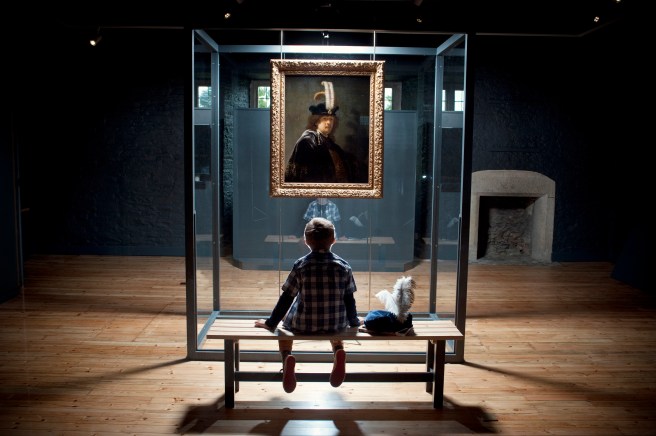
Also, magnificent to see was Buckland’s Rembrandt recently restored.

harry-dempster-8-the-rembrandt-painting-3-credit-steven-haywood.jpg“Previously thought to be ‘school of Rembrandt’, Ernst van de Wetering, the world’s leading Rembrandt expert, concluded that the painting may well be a genuine after seeing it again in 2012. His assurance led the NT to send the painting away for further scientific analysis.
Christine Slottvedd Kimbriel, Paintings Conservator at HKI said: ‘When the painting arrived we felt that a thorough technical examination would aid the reassessment of the painting’s authorship and we hoped that the findings could help to verify if it was definitely by Rembrandt.

‘The self-portrait went through a series of investigate analyses to include close visual examination under magnification, infra-red reflectography, x-radiography, raking light photography and pigment and medium analysis.

‘Careful cleaning and removal of several layers of aged and yellowed revealed the original colours and painting style beneath which was much more detailed and gave a three-dimensional appearance to the fabric in Rembrandt’s cloak.’

The artist’s signature was also analysed and other processes used for further investigative work.

David Taylor, NT paintings and sculptor curator said: ‘The debate over whether this is or isn’t a Rembrandt has been on-going for decades.

‘The key element for me has been the cleaning. The varnish was so yellow that it was difficult to see how beautifully the portrait had been painted. Now you can really see all the flesh tones and other colours, as well as the way in which the paint has been handled – it’s now much easier to appreciate it as a Rembrandt.'”

The painting sparkles…it is worth a visit to Buckland just to see it.

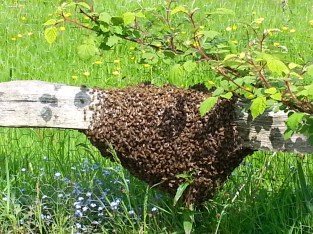
The gardens are a treat in themselves, and whilst there we came across a swarm of bees20160527_150910.jpg wrapping themselves around a fence. I didn’t want to get too close to take the photo! All in all a most pleasurable day.20160527_150944.jpg
26th May 2016…visiting Golant

20160526_142820.jpgA lovely sunny day, so after walking around Fowey we moved up-river to the little coastal hamlet of Golant where we shall shortly hire kayaks. We checked out the Cormorant Hotel on the hill above the river. What a location, fabulous! In reception we overheard the Manager talking to someone booking a room for their brother on the telephone and asking  could he guarantee it would be quiet. ‘I think we can guarantee that’ said the Manager. There was not a single sound to be heard apart from birdsong, and it didn’t seem as though the silence would ever be shattered in this spot!
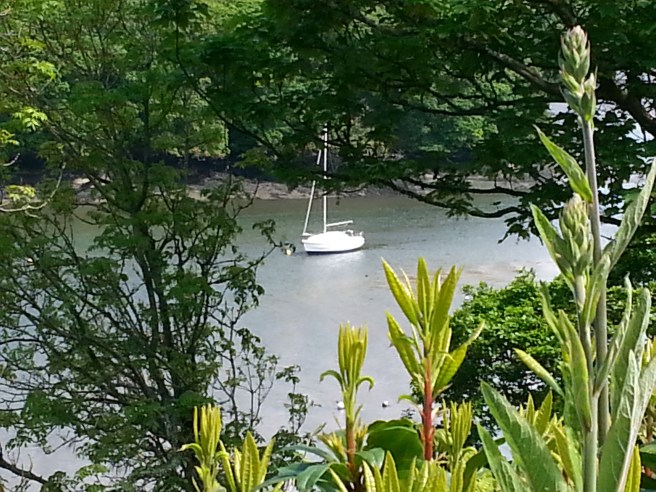
Here is what the village web site has to say….Golant is a small Cornish waterside village, bounded on the west by the Lostwithiel to Fowey road the B3269 and on the east by its focal point the River Fowey. Daphne du Mauriers family had a second home a mile down river from the village and in May 1907 Kenneth Graham wrote “Tales of the Riverbank” inspired by a boating trip from Fowey to Golant. “The Wind in the Willows” was published in June 1908 and it is believed that this stretch of the River Fowey inspired this extraordinary tale. Located in the parish of St Sampson, Golant has around 110 dwellings with a population of circa 220 people. It has a 13th century Parish Church dedicated to St Sampson, the Fishermans Arms Pub, the Cormorant Hotel, and a retail art gallery. There is no public transport that serves the village but it is still a working village, some holiday or weekend homes, but certainly not a ghost town for eight months of the year.The Church and the village overlook the tree clad and winding Fowey estuary less than two miles upstream from the coastal towns of Polruan and Fowey. An area of Outstanding Natural Beauty (AONB) full of scenic views all year round. The rivers east bank is owned by the National Trust. In the summer the river is a hive of boating activity and in the winter left mostly to cormorants, egrets, mallards, swans, herons and kingfishers that make the river their home.There are regular pleasure boat and canoe trips available from the port of Fowey to the small picturesque hamlet of Lerryn a further 2 miles up river. A single track railway line alongside the river transports daily cargoes of china clay to the waiting ships on the quays at Fowey.20160526_142742.jpg20160526_142857.jpg