
Three weeks more or less at our house on Punta Montgo which is on the Northern end of the Costa Brava Spain, and near L’escala. Last year the Daily Telegraph had a good article showing some of the highlights of the region with all of which we are well familiar. These days I am more relaxed and more content to hang around the house and pool, but since the  whole family were there at different times there was plenty that we did do. One pleasant task was to take the numerous steps down to the beach each morning to buy fresh croissants and pastries – always a big thing for me. And the Montgo bay is very pleasant, as well as
 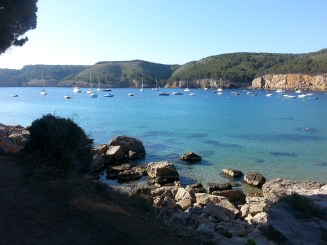 being an important nature reserve.
The walk into L’escala is great now as it goes along the cliffs previously and until very recently in fact occupied by the Army. Half way is the busy resort of Riells (crowded beach, many shops and several ‘pollo a’laste’ outlets). After Riells there is a lovely walk along a promenade shaded by olive trees into L’escala itself……the statues of the sardanas band are rather good. 
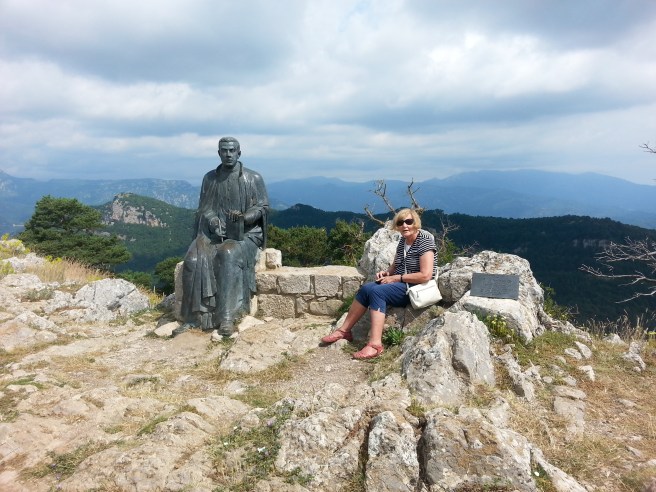
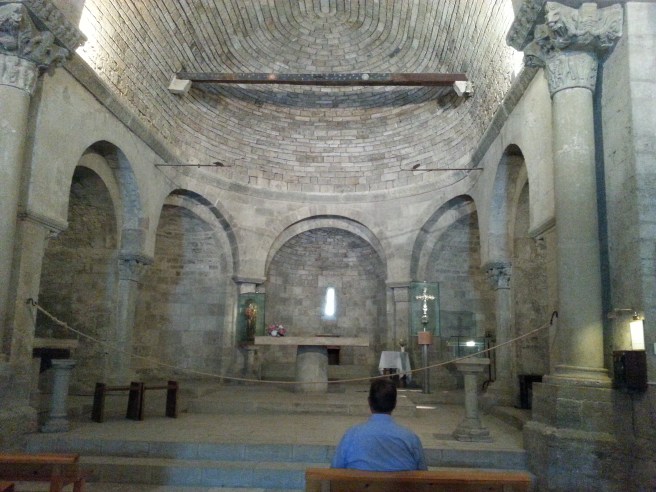
This time F’s sister Judy took us up one of the Pyrennean mountains via a long, long, long switchback road to visit a medieval monastery with accompanying restaurant….unfortunately we went on the one day it was closed! However we were a bit better off than the group of English cyclists who had wound their way laboriously to the summit expecting to find supplies of water on arrival……there was nothing. At least their run down the mountain would be quick! What magnificent views we had despite the disappointment. On the way back we lunched at a restaurant on the side of Lake Banyoles and then visited the twelfth century Romaneque Church of Santa Maria de Porqueres which was very atmospheric.
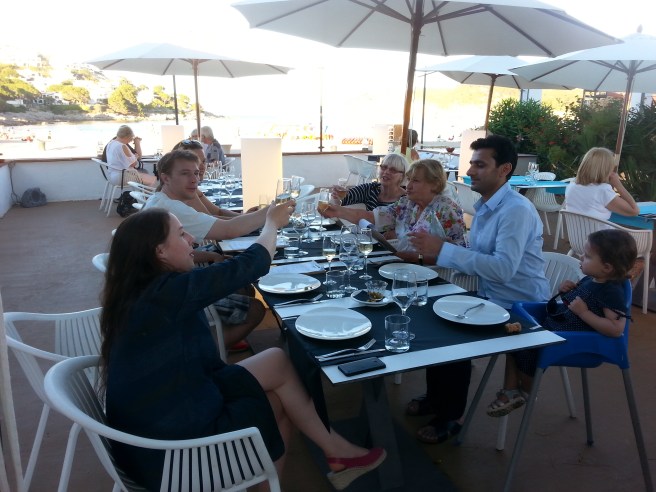
 We have always been to Can Miguel’s restaurant at Montgo. This time we went more than once to the concession who operated the area outside the hotel around the swimming pool which they have made very swish indeed….great cocktails, good food, and reasonable prices. Our granddaughter Aiisha wanted to remain behind dark glasses when there…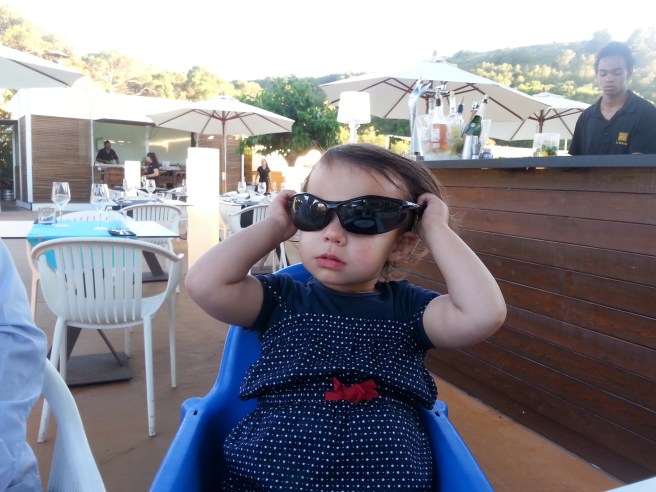
 On another occasion we caught the boat in the marina at Riells southwards down the Costa
 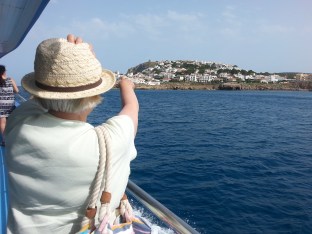 Brava coast to L’Estartit, passing the Montgo peninsula and looking out for our house on the way. The glass bottom was great for seeing shoals of fish, and the coast was almost totally unspoilt (just as the whole Costa used to be!). The boat could get a move on when it suited.
L’escala itself has lots of interest apart from the usual touristy things. We love to go to the  local market, and some of the side streets are full of old fishermen’s houses (one of which Judy and Tino improved to make it the fantastic house it is today. The bougainvilleas are quite spectacular at this time of year although we have never been able to grow one
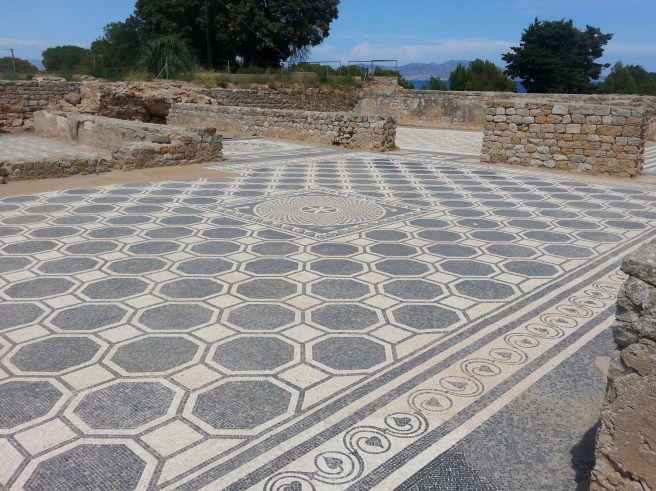
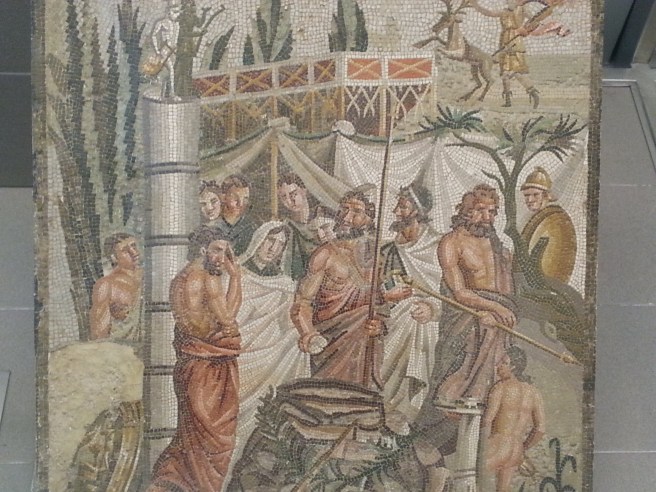
 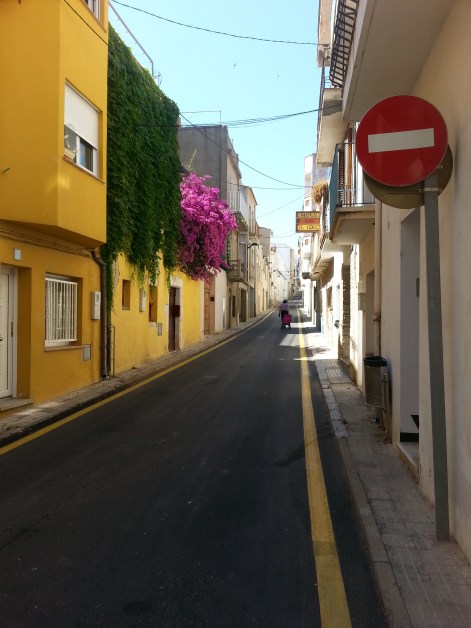 ourselves at the house in Montgo. Another day was spent walking to Sant Marti for lunch, a beautiful tarted-up medieval village, and exploring again the fantastic Greek and Roman ruins at Empurias. These are of tremendous interest and very extensive although, despite that, only a tiny fraction of the archaeology has yet been revealed. It was founded by the Greeks as a market location (Empurion), and then the Romans landed there during the Punic Wars and stayed eventually turning it into a retirement village for some of Caesar’s legionnaires. Sant Marti was probably the first of the old villages of the province of Gerona to receive the make-over treatment, with Pals close behind. These tend now to be tourist traps and coach party destinations, but nevertheless worth a visit. However, inland the Costa Brava is absolutely crammed with amazing historic villages, some totally unspoilt.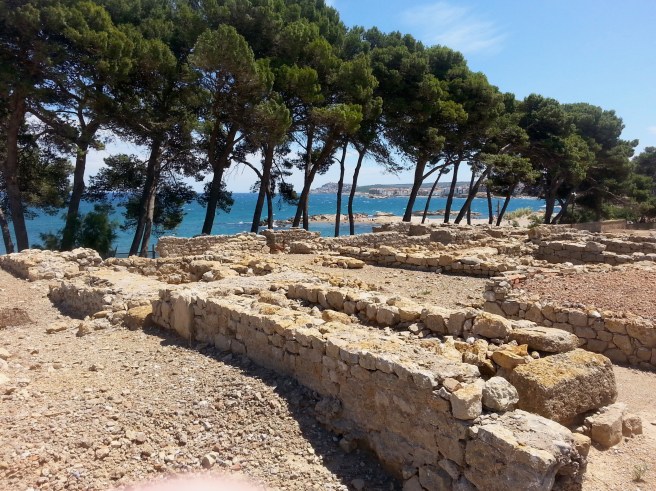

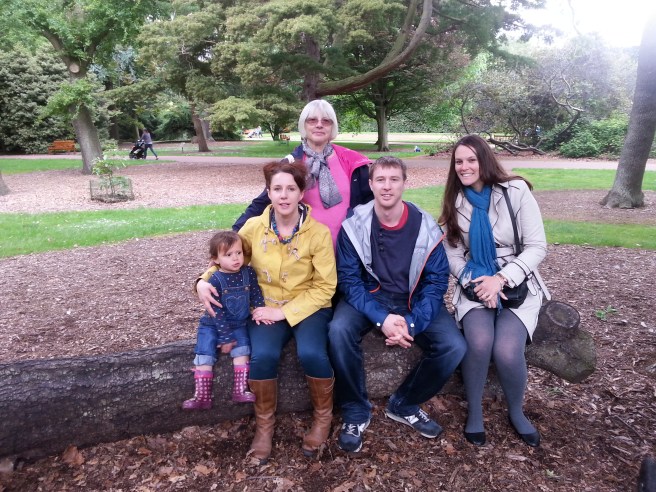
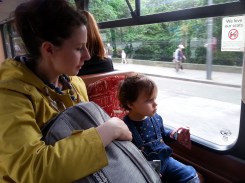 Plenty to do in Edinburgh as usual. This time we visited some nice gardens, went on the train to the seaside (
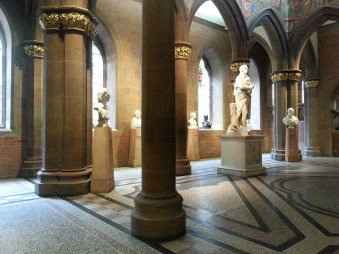 museums of all time), and had plenty of fun with our darling grand daughter, Aiisha….lots of possible meanings to the word, I like ‘beautiful’.
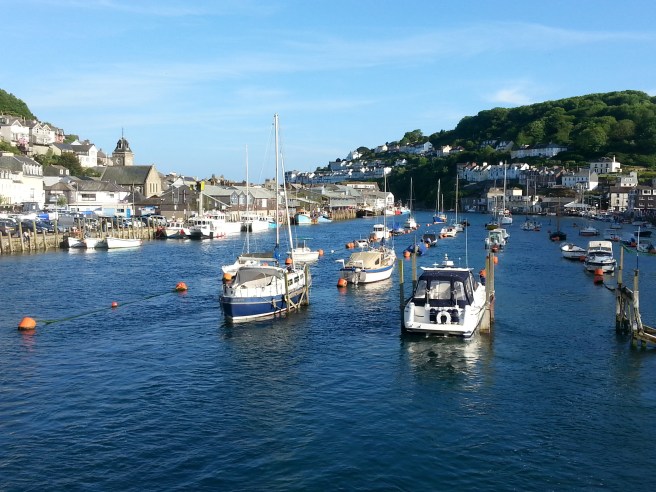
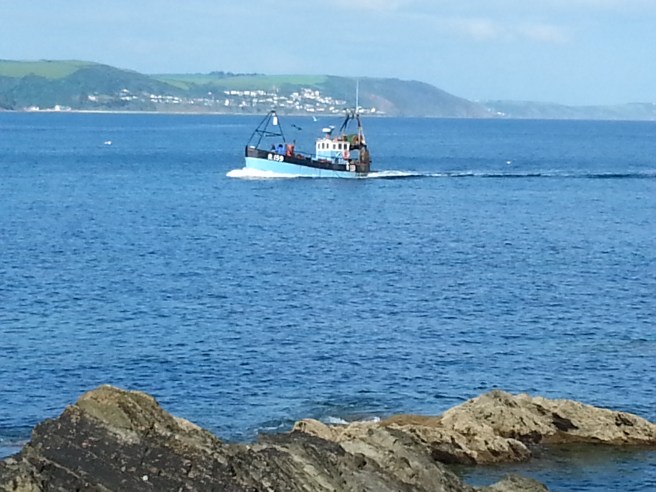
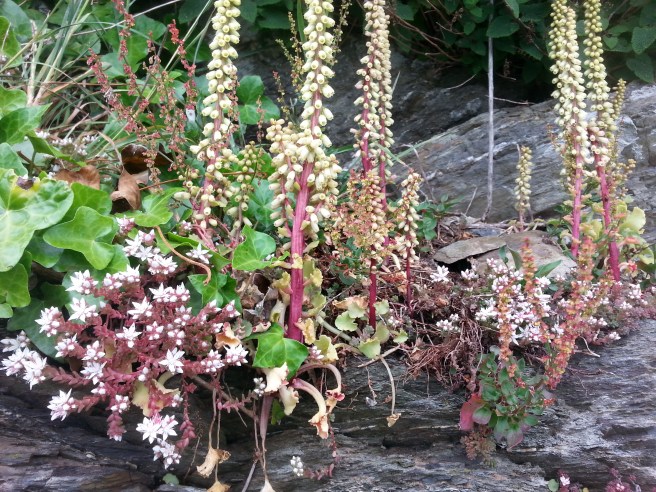
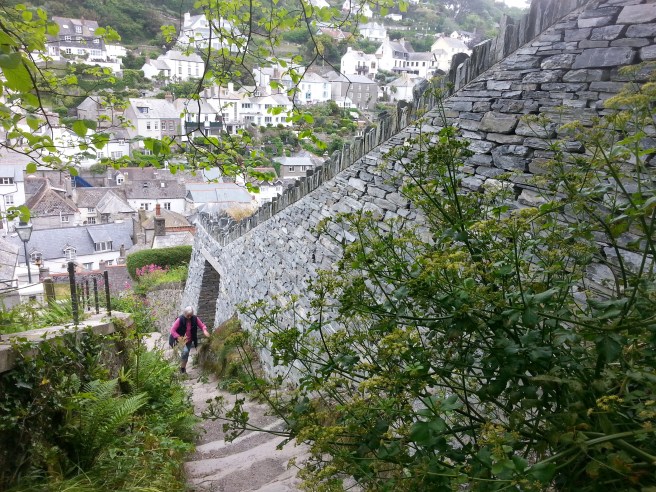
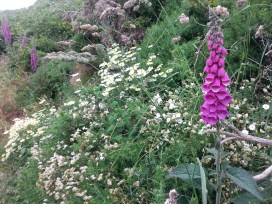 As you can see, Polperro itself is steeply fitted on its cliff faces. The large wall you see was built by NT volunteers…a really splendid example of their work.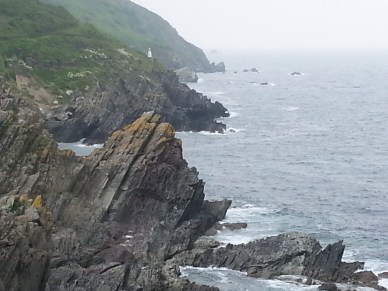
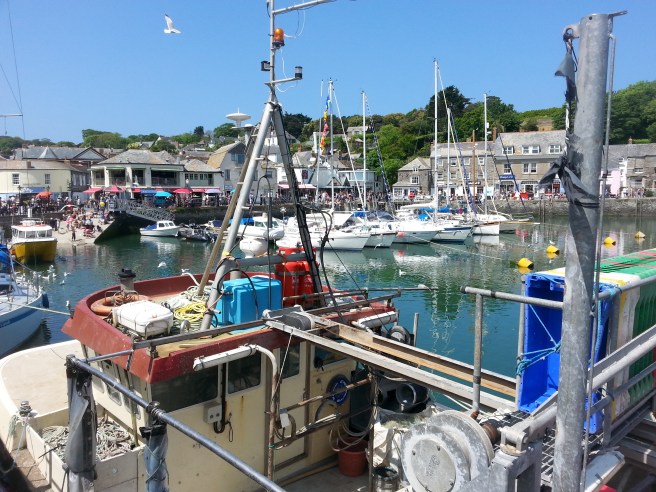
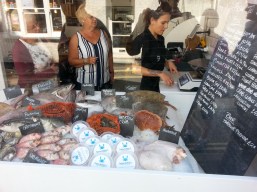 we took her on one of our favourite bus trips to
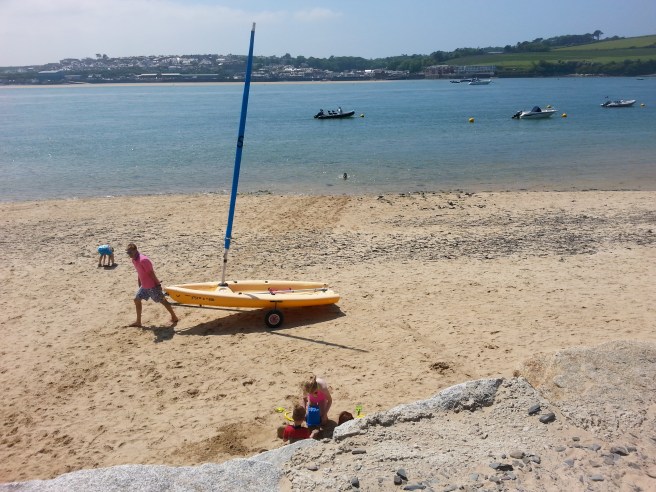
 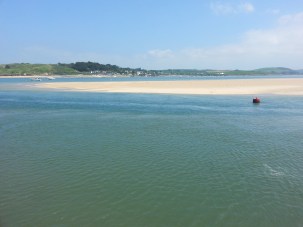 depending whether the tide is in or out, the estuary is one vast expanse of sand and sand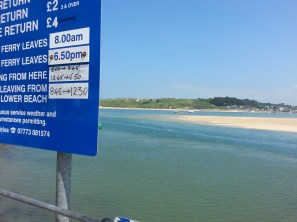

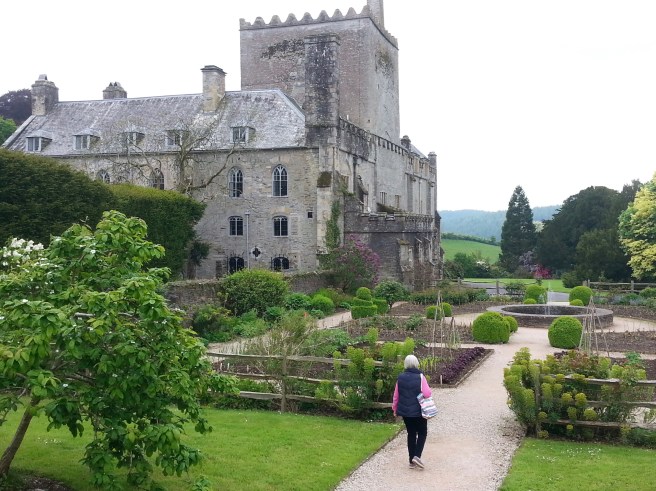 Over the border today to the NT property
 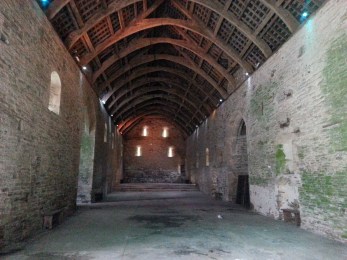 1940’s. A very full description of the buildings and their history is given at
 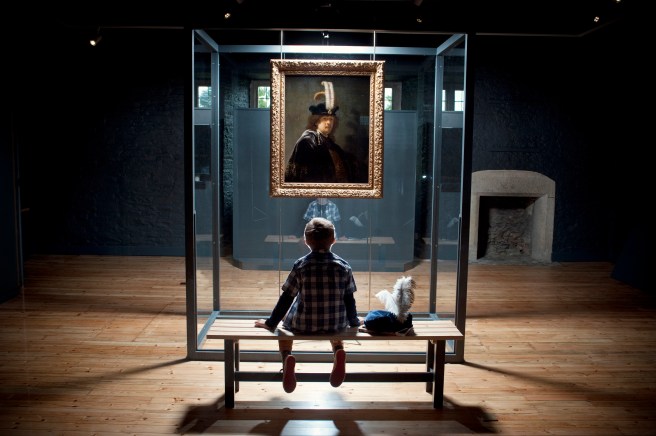 “Previously thought to be ‘school of Rembrandt’, Ernst van de Wetering, the world’s leading Rembrandt expert, concluded that the painting may well be a genuine after seeing it again in 2012. His assurance led the NT to send the painting away for further scientific analysis.
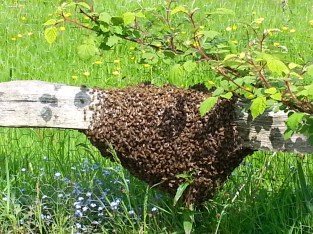 wrapping themselves around a fence. I didn’t want to get too close to take the photo! All in all a most pleasurable day.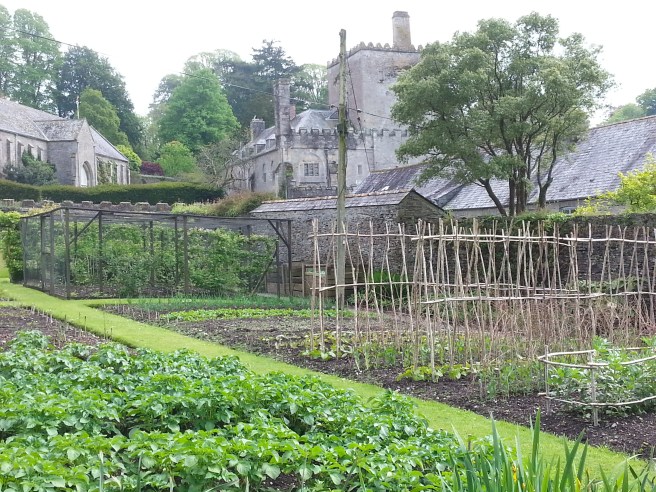
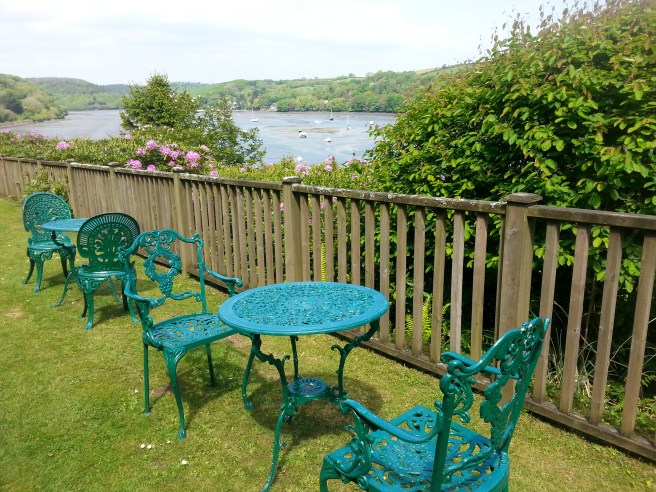 A lovely sunny day, so after walking around Fowey we moved up-river to the little coastal hamlet of Golant where we shall shortly hire kayaks. We checked out the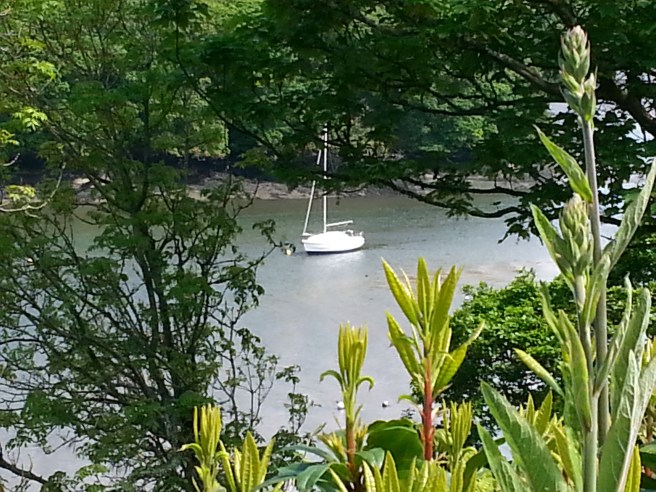
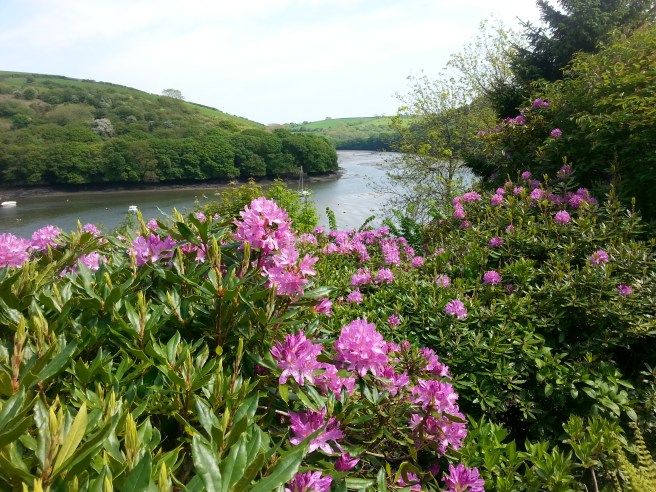
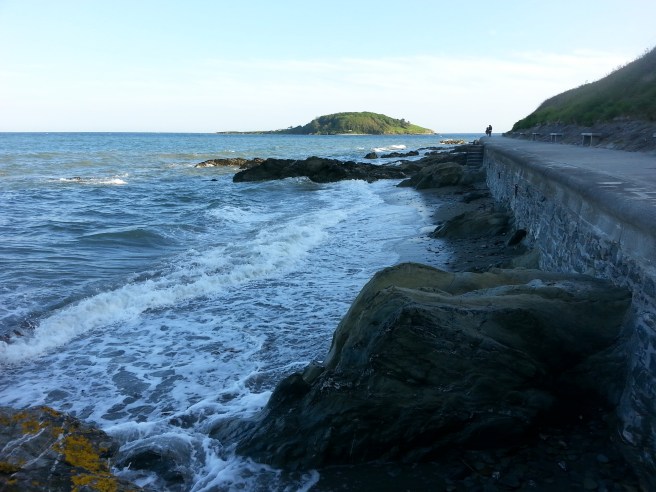
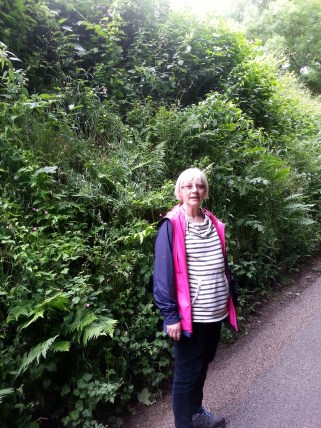
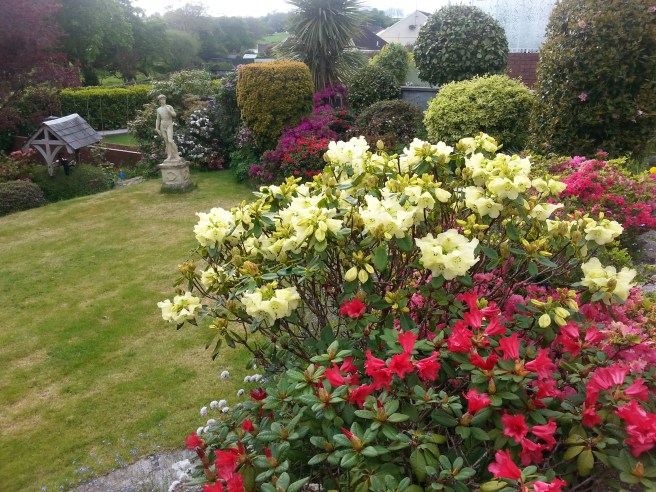
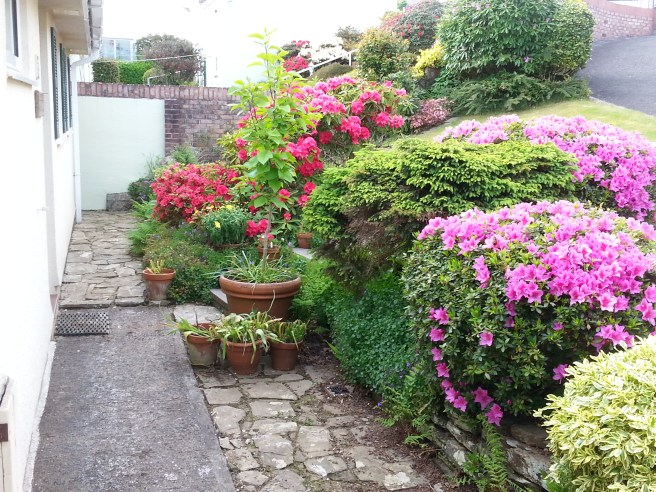
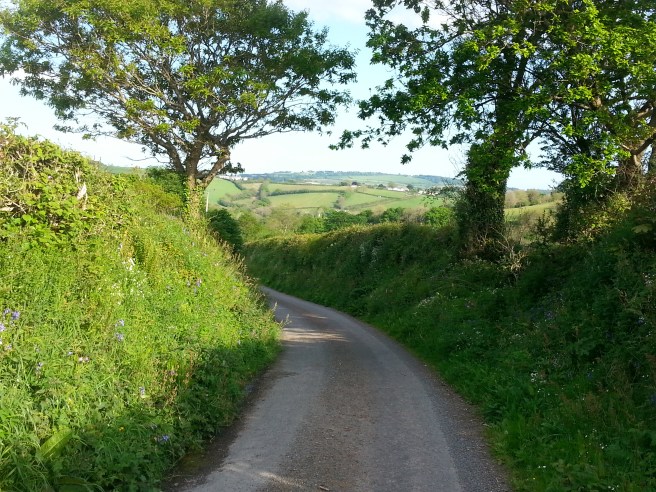
 dog walkers though as it is one of few dog-friendly beaches around Looe. Occasionally we stop to talk, on one occasion to a 90 year old who did his service in wooden huts on Bodmin Moor just as Alan Bennett did in the book I have been reading. They both learned Russian there too! There is a large hotel in Hannafore which attracts coach trips especially from Wales (we are always hearing Welsh accents), a Bowling Club, a kiosk and a nice cafe, and apart from that just expensive houses with enviable views! Back at home we relax in the garden which is really coming into its own now…..the profuse amount of Spring flowers in the banks and hedges may have come to an end now but the green lanes and surrounding countryside look very ‘English’.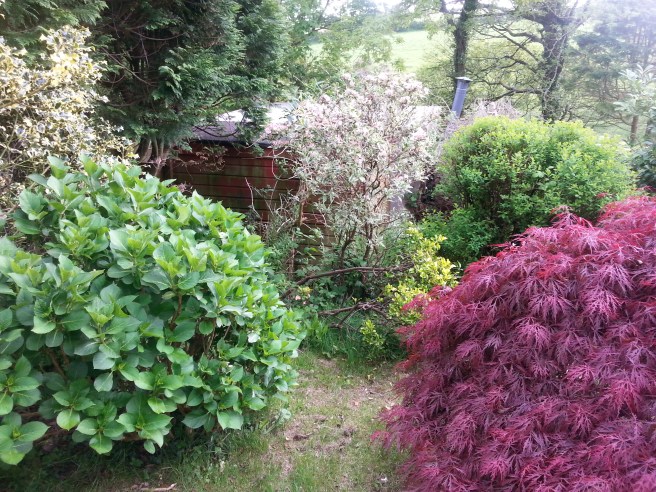
 Enjoying Cornwall...